Advances in Air Filter Contact Materials: What You Need to Know
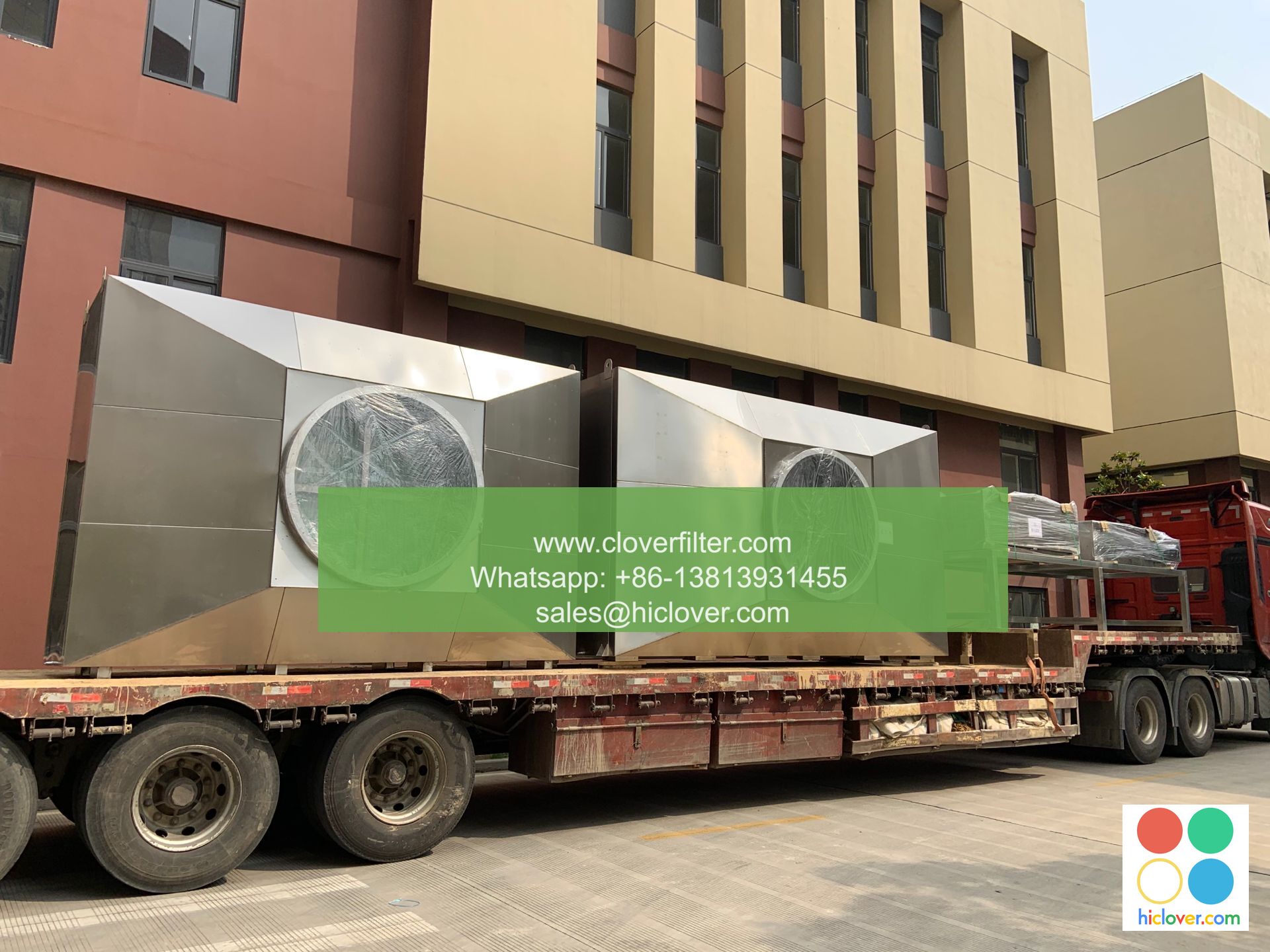
The air filter industry has witnessed significant advancements in recent years, particularly in the development of air filter contact materials. These materials play a crucial role in ensuring the efficient and effective operation of air filters, which are used in a wide range of applications, including heating, ventilation, and air conditioning (HVAC) systems, air purification systems, and industrial processes. In this article, we will delve into the latest advancements in air filter contact materials, highlighting various application areas and the benefits they offer.
What are Air Filter Contact Materials?
Air filter contact materials refer to the components that come into direct contact with the air being filtered. These materials are designed to capture and retain particulate matter (PM), gases, and odors, ensuring that the air is clean and free from contaminants. The most common types of air filter contact materials include fiberglass, polyester, and activated carbon.
Advances in Air Filter Contact Materials
Recent advancements in air filter contact materials have focused on improving their efficiency, durability, and sustainability. Some of the key developments include:
* Nanofiber technology: This technology involves the use of nano-sized fibers that are capable of capturing ultrafine particles and gases with high efficiency.
* Antimicrobial materials: These materials are designed to inhibit the growth of microorganisms, such as bacteria and virus, which can cause illnesses and odors.
* Sustainable materials: There is a growing trend towards the use of eco-friendly materials, such as recycled polyester and bamboo, which offer a reduced carbon footprint and improved biodegradability.
Application Areas
Air filter contact materials have a wide range of applications, including:
* Residential HVAC systems: These systems require air filters that can capture PM, gases, and odors to ensure indoor air quality.
* Commercial air purification systems: These systems are used in offices, hospitals, and other commercial buildings to improve indoor air quality and reduce airborne contaminants.
* Industrial processes: Air filter contact materials are used in industrial processes, such as chemical manufacturing and pharmaceutical production, to capture hazardous gases and particulate matter.

Benefits of Advances in Air Filter Contact Materials
The advances in air filter contact materials offer several benefits, including:
* Improved indoor air quality: The use of advanced air filter contact materials can capture ultrafine particles and gases with high efficiency, ensuring cleaner air and improved health.
* Increased energy efficiency: Advanced air filter contact materials can reduce energy consumption by minimizing pressure drop and improving airflow.
* Reduced maintenance costs: The use of durable and sustainable air filter contact materials can reduce maintenance costs by minimizing filter replacement and cleaning.
In conclusion, the advances in air filter contact materials have significant implications for various industries, including HVAC, air purification, and industrial processes. By understanding the latest developments in air filter contact materials, individuals and organizations can make informed decisions about the selection and use of these materials, ultimately improving indoor air quality, energy efficiency, and sustainability. Prompt
