Chinese Air Filter Standards: A Guide to GB and Other Regulations
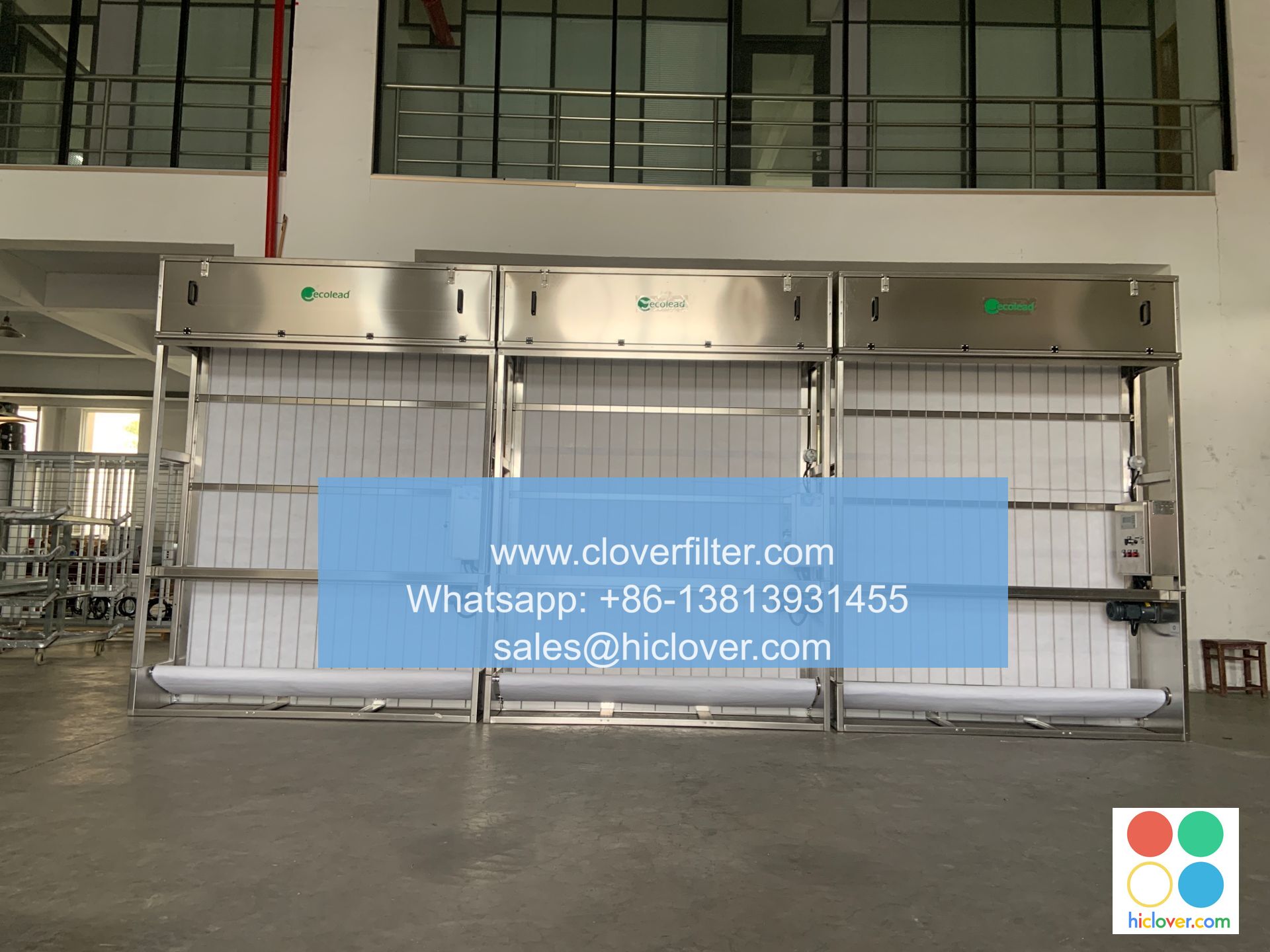
The air filter industry in China is growing rapidly, with increasing demands for high-quality air filters to improve indoor air quality and reduce pollution. To ensure the quality and safety of air filters, China has established various standards and regulations, including GB (Guobiao) standards, which are the national standards of China. In this article, we will provide an overview of Chinese air filter standards, highlighting various application areas and focusing on GB and other relevant regulations.
Introduction to GB Standards
GB standards are developed by the Standardization Administration of China (SAC) and are mandatory for products manufactured and sold in China. GB standards for air filters cover various aspects, including air filtration efficiency, pressure drop, and durability. These standards ensure that air filters meet the required performance and safety criteria, providing a healthy indoor environment for occupants.
GB/T 14295-2018: The Standard for Air Filters
GB/T 14295-2018 is a key standard for air filters in China, covering general requirements for air filters, including classification, testing methods, and marking and labeling. This standard applies to various types of air filters, including HEPA filters, ULPA filters, and activated carbon filters, used in different application areas, such as:
* Industrial air filtration: manufacturing, pharmaceutical, and food processing industries
* Commercial air filtration: office buildings, hotels, and shopping malls
* Residential air filtration: apartments, homes, and hospitals
Other Relevant Regulations
In addition to GB standards, other regulations and standards also apply to air filters in China, including:
* GB 3095-2012: Ambient air quality standards, which set limits for PM2.5, PM10, and other pollutants
* GB/T 18801-2015: Indoor air quality standards, which provide guidelines for indoor air quality monitoring and air purification
* China National Accreditation Board for Laboratories (CNAL): Accreditation standards for laboratories testing air filters

Application Areas for Air Filters
Air filters have various application areas in China, including:
* HVAC systems: air conditioning, ventilation, and heating systems
* Air purification systems: standalone air purifiers, air cleaners, and air sterilizers
* Industrial processes: manufacturing, chemical processing, and food processing
* Transportation: air filtration systems for vehicles, trains, and aircraft
Conclusion
In conclusion, Chinese air filter standards, including GB and other regulations, play a crucial role in ensuring the quality and safety of air filters in China. By understanding these standards and regulations, manufacturers, suppliers, and users can ensure that air filters meet the required performance and safety criteria, providing a healthy indoor environment for occupants. The various application areas for air filters highlight the importance of air filtration in different industries and settings, and the need for high-quality air filters that meet Chinese standards and regulations.
By following these standards and regulations, companies can ensure compliance with Chinese laws and regulations, and provide high-quality air filters that meet the needs of various industries and application areas, including industrial air filtration, commercial air filtration, and residential air filtration. Additionally, companies can also focus on research and development of new air filter technologies, such as nanofiber filters and biological air filters, to improve indoor air quality and reduce pollution in China. It looks like you didn’t include a prompt. Please go ahead and provide one, and I’ll be happy to help! What’s on your mind?
