The Benefits of Automatic Roll Air Filters for Industrial Manufacturing
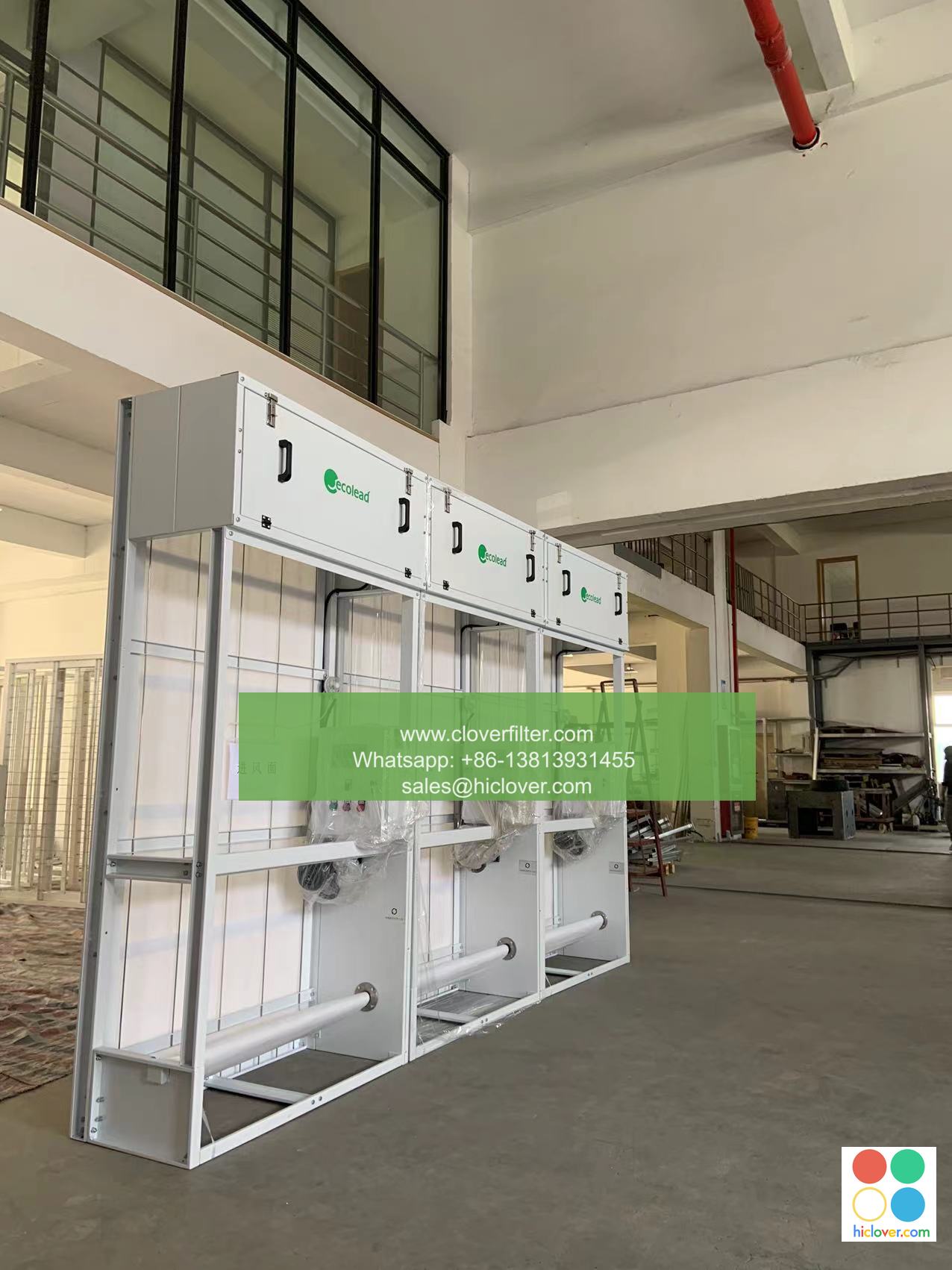
Industrial manufacturing facilities can greatly benefit from the implementation of automatic roll air filters. These advanced filtration systems provide numerous advantages, including improved air quality, increased efficiency, and reduced maintenance costs. In this article, we will highlight the benefits of automatic roll air filters and explore their various application areas in industrial manufacturing.
Improved Air Quality and Increased Efficiency
Automatic roll air filters are designed to capture airborne contaminants, such as dust, particles, and other pollutants, which can negatively impact airflow and air quality in industrial manufacturing facilities. By installing these filters, facilities can enhance air quality and prevent damage to equipment and machinery. Moreover, automatic roll air filters can help increase efficiency by reducing the need for frequent filter replacements and minimizing downtime.
Reduced Maintenance Costs and Extended Filter Life
One of the significant benefits of automatic roll air filters is their ability to reduce maintenance costs. These filters are designed to automatically roll out new filter media, eliminating the need for manual filter replacements. This feature not only saves time but also extends filter life, resulting in cost savings and reduced waste. Additionally, automatic roll air filters can be easily integrated into existing HVAC systems, making them a cost-effective solution for industrial manufacturing facilities.
Application Areas in Industrial Manufacturing
Automatic roll air filters have various application areas in industrial manufacturing, including:
* Food and Beverage Processing: Automatic roll air filters can help maintain a clean and sanitary environment in food and beverage processing facilities, reducing the risk of contamination and ensuring compliance with regulatory standards.
* Pharmaceutical Manufacturing: These filters can provide a high-level of filtration in pharmaceutical manufacturing facilities, where airborne contaminants can compromise product quality and safety.
* Aerospace and Defense: Automatic roll air filters can be used in aerospace and defense manufacturing facilities to protect sensitive equipment and ensure the quality of airborne systems.
* Automotive Manufacturing: These filters can help improve air quality and reduce maintenance costs in automotive manufacturing facilities, where airborne contaminants can damage equipment and compromise product quality.

Key Features and Benefits
Some of the key features and benefits of automatic roll air filters include:
* Automatic filter replacement: Eliminates the need for manual filter replacements and reduces maintenance costs.
* Extended filter life: Results in cost savings and reduced waste.
* High-level filtration: Captures airborne contaminants and improves air quality.
* Easy integration: Can be easily integrated into existing HVAC systems.
* Cost-effective solution: Provides a cost-effective solution for industrial manufacturing facilities.
In conclusion, automatic roll air filters offer numerous benefits and advantages for industrial manufacturing facilities. By improving air quality, increasing efficiency, and reducing maintenance costs, these filters can help facilities optimize their operations and improve their bottom line. Whether you’re in the food and beverage processing, pharmaceutical manufacturing, aerospace and defense, or automotive manufacturing industry, automatic roll air filters can provide a reliable and cost-effective solution for your air filtration needs.
