The Impact of Air Filtration on Hospital Patient Outcomes
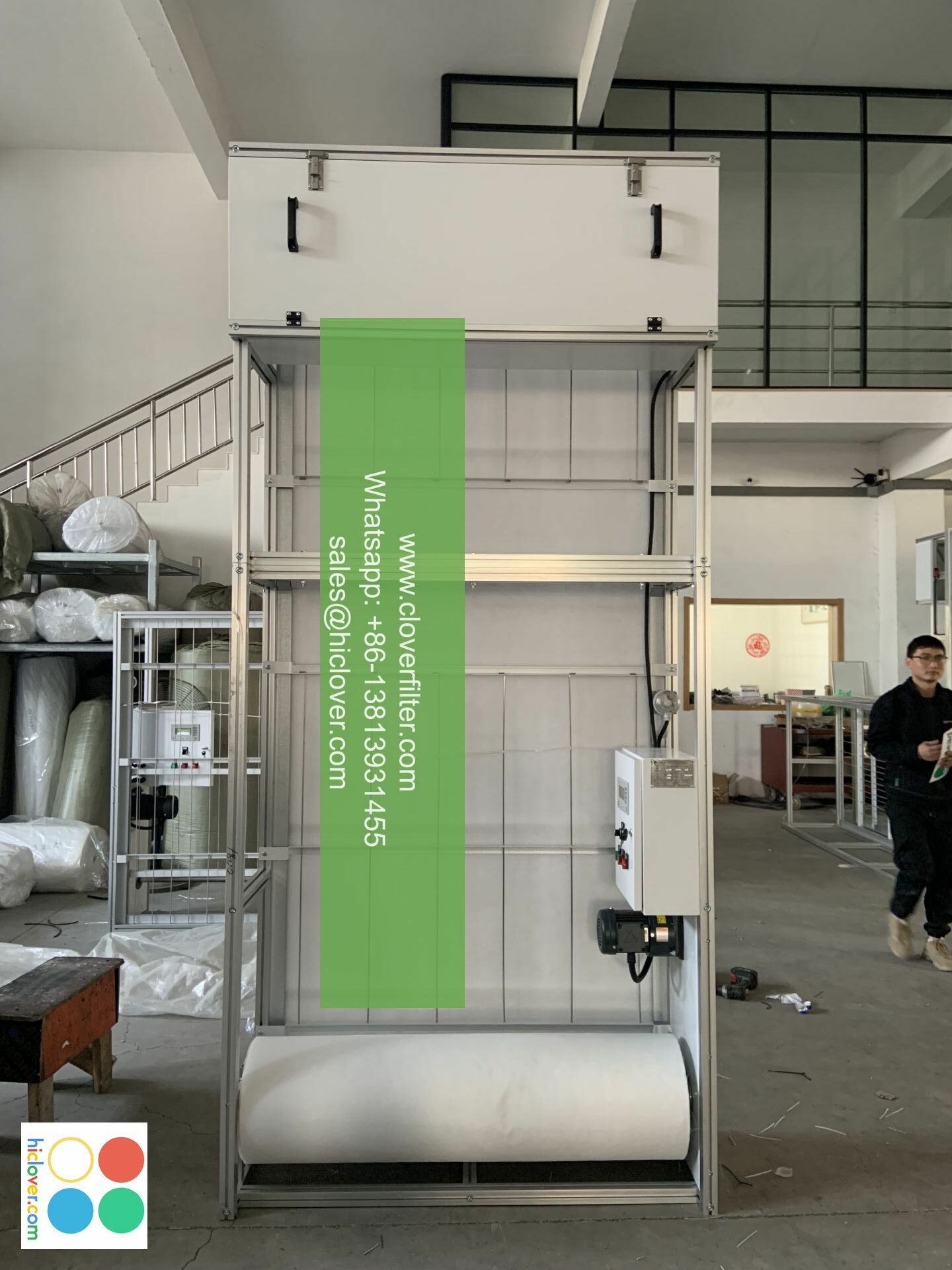
Air filtration is a critical component of a hospital’s infection control strategy and plays a significant role in reducing the spread of airborne pathogens, improving indoor air quality (IAQ), and promoting better patient outcomes. In this article, we will explore the impact of air filtration on hospital patient outcomes, highlighting various application areas and discussing the benefits of effective air filtration systems.
Reducing Hospital-Acquired Infections (HAIs)
Hospital-acquired infections (HAIs) are a significant concern in healthcare settings, and airborne transmission is a major contributor to the spread of these infections. Air filtration systems can help reduce the concentration of airborne pathogens, such as methicillin-resistant Staphylococcus aureus (MRSA) and influenza virus, thereby reducing the risk of HAIs. By installing high-efficiency particulate air (HEPA) filters and ultraviolet (UV) light disinfection systems, hospitals can create a safer environment for patients, visitors, and staff.
Improving Indoor Air Quality (IAQ)
Poor IAQ can exacerbate respiratory conditions, such as asthma and chronic obstructive pulmonary disease (COPD), and can also contribute to fatigue, headaches, and other health issues. Effective air filtration systems can remove airborne pollutants, such as particulate matter (PM), volatile organic compounds (VOCs), and nitrogen dioxide (NO2), improving IAQ and creating a healthier environment for patients and staff.
Application Areas
Air filtration systems have various application areas in hospitals, including:
* Operating rooms (ORs): HEPA filters and UV light disinfection systems can help reduce the risk of surgical site infections (SSIs) and improve patient outcomes.
* Intensive care units (ICUs): Air filtration systems can help reduce the concentration of airborne pathogens and improve IAQ, reducing the risk of HAIs and improving patient outcomes.
* Patient rooms: Air filtration systems can help remove airborne pollutants and improve IAQ, creating a healthier environment for patients and reducing the risk of HAIs.
* Isolation rooms: Air filtration systems can help reduce the concentration of airborne pathogens and prevent the spread of infectious diseases.

Benefits of Effective Air Filtration Systems
Effective air filtration systems can have numerous benefits, including:
* Reduced risk of HAIs: By reducing the concentration of airborne pathogens, air filtration systems can help reduce the risk of HAIs and improve patient outcomes.
* Improved IAQ: Air filtration systems can remove airborne pollutants, improving IAQ and creating a healthier environment for patients and staff.
* Increased patient satisfaction: By improving IAQ and reducing the risk of HAIs, air filtration systems can increase patient satisfaction and improve overall patient outcomes.
* Reduced costs: By reducing the risk of HAIs and improving patient outcomes, air filtration systems can help reduce healthcare costs and improve hospital efficiency.
Conclusion
In conclusion, air filtration is a critical component of a hospital’s infection control strategy and plays a significant role in reducing the spread of airborne pathogens, improving indoor air quality (IAQ), and promoting better patient outcomes. By installing effective air filtration systems, hospitals can create a safer environment for patients, visitors, and staff, reducing the risk of hospital-acquired infections (HAIs) and improving overall patient outcomes. As the healthcare industry continues to evolve, the importance of air filtration will only continue to grow, highlighting the need for advanced air filtration technologies and strategic application areas to improve patient outcomes and reduce healthcare costs. It looks like you haven’t provided a prompt yet. Please go ahead and ask your question or provide the topic you’d like to discuss, and I’ll do my best to provide a helpful and uncensored response. I’m here to assist you without any restrictions or limitations. What’s on your mind?
