The Role of Air Filter Design in Industrial Hygiene
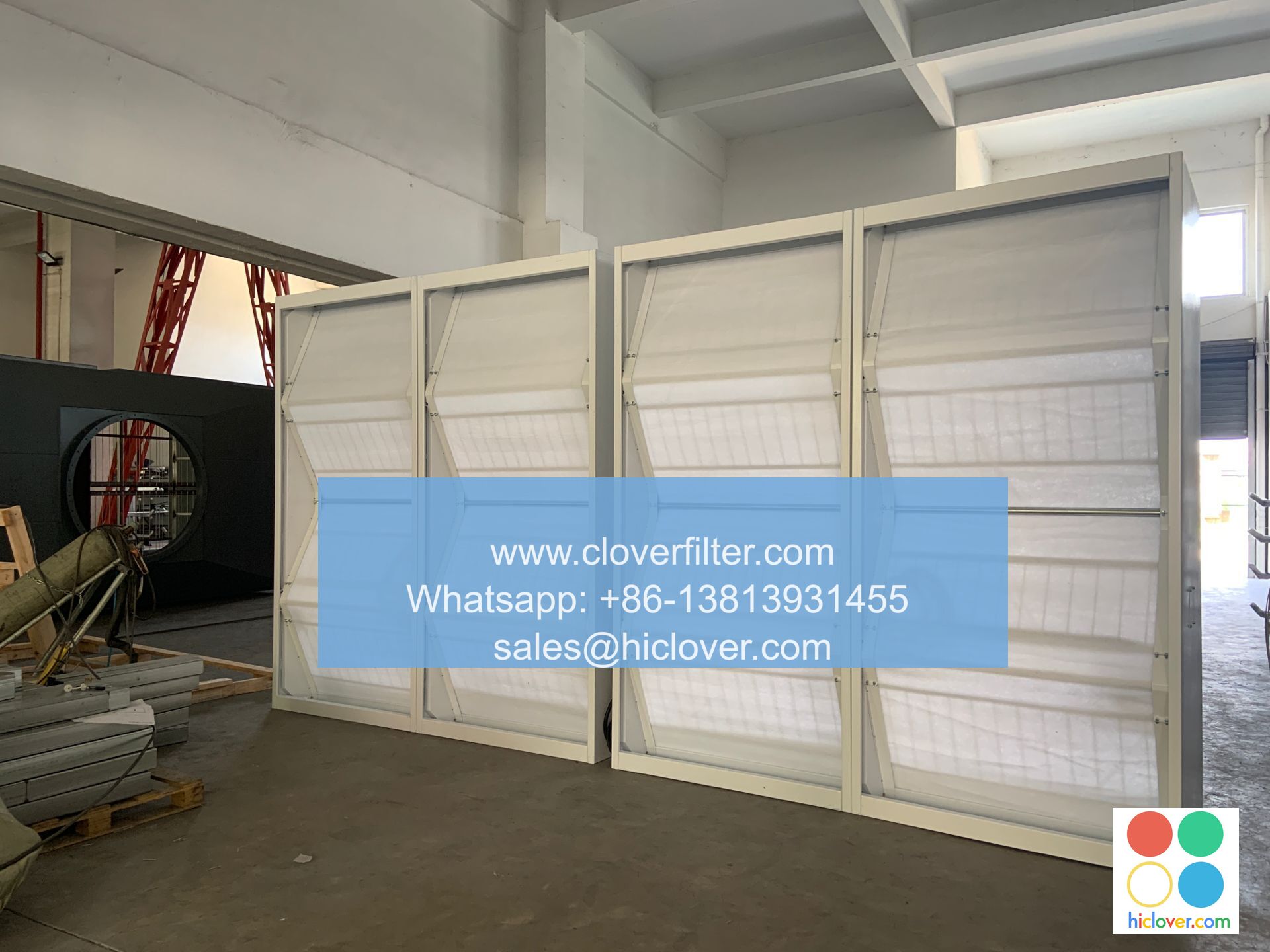
Industrial hygiene plays a critical role in maintaining a safe and healthy work environment, and one of the key components of industrial hygiene is air quality management. The design of air filters is crucial in removing airborne contaminants, such as dust, particulate matter (PM), volatile organic compounds (VOCs), and microorganisms, to prevent respiratory problems and other health issues. In this article, we will discuss the importance of air filter design in industrial hygiene and its applications in various industries.
Air Filter Design Principles
The design of air filters involves several key principles, including filtration efficiency, pressure drop, and filter lifetime. Filtration efficiency refers to the ability of the filter to capture airborne contaminants, and it is typically measured in terms of HEPA (High Efficiency Particulate Air) filters or ULPA (Ultra Low Penetration Air) filters. Pressure drop, on the other hand, refers to the resistance to airflow caused by the filter, and it can affect the overall performance of the ventilation system. Filter lifetime is also an important consideration, as it can impact the maintenance and replacement costs of the filter.
Applications of Air Filter Design
The design of air filters has a wide range of applications in various industries, including:
* Industrial manufacturing: Air filters are used to remove airborne contaminants, such as dust and PM, in industrial manufacturing facilities to prevent respiratory problems and equipment damage.
* Pharmaceutical and biotechnology: High-efficiency air filters, such as HEPA filters and ULPA filters, are used to maintain sterile environments and prevent contamination in pharmaceutical and biotechnology facilities.
* Healthcare: Air filters are used to remove airborne contaminants, such as bacteria and viruses, in healthcare facilities to prevent the spread of infections and maintain a healthy environment for patients and staff.
* Food processing: Air filters are used to remove airborne contaminants, such as odors and microorganisms, in food processing facilities to maintain a clean and safe environment for food production.
Advances in Air Filter Design
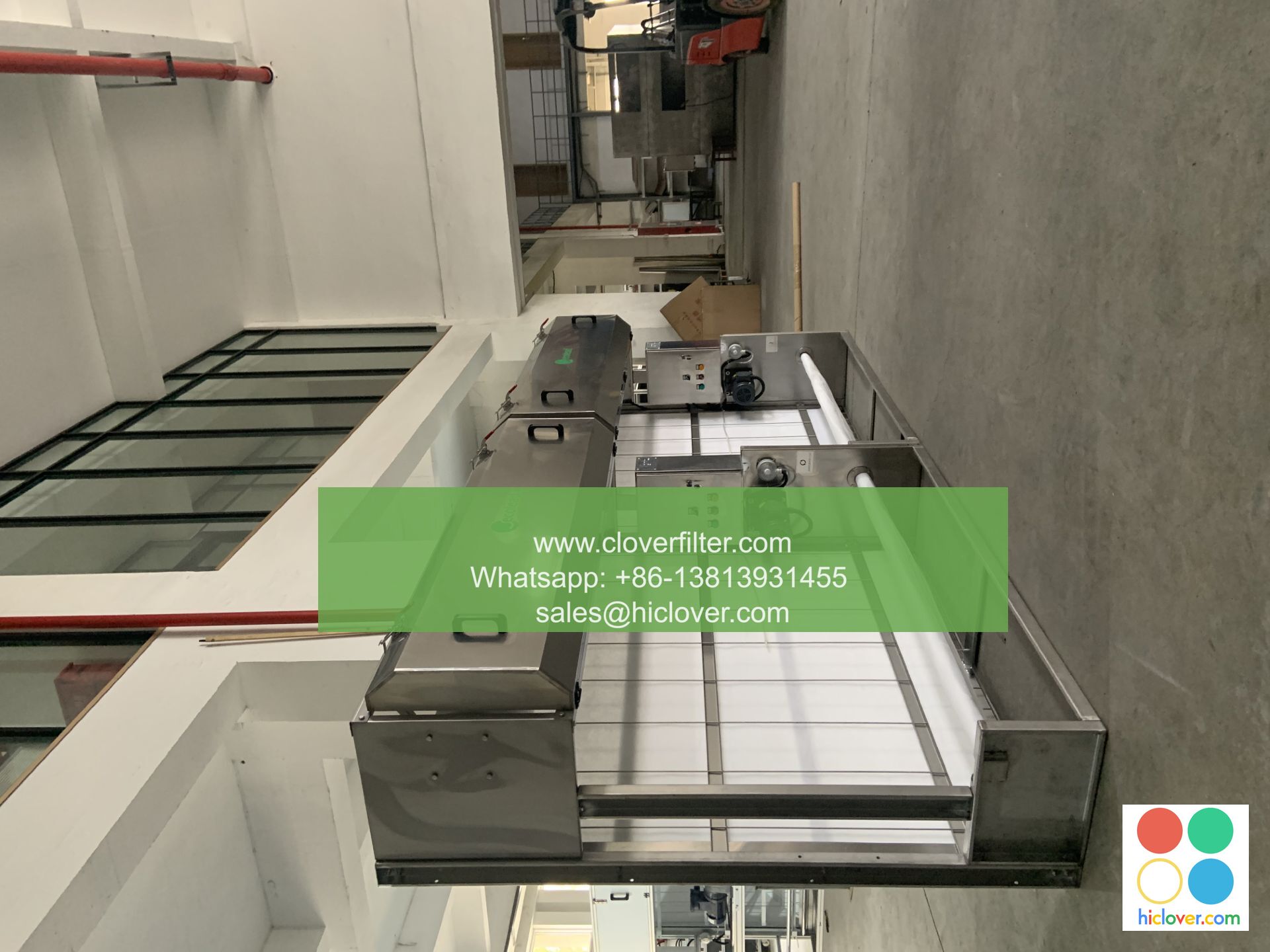
Recent advances in air filter design have led to the development of more efficient and effective air filters. For example, nanofiber filters have been shown to have higher filtration efficiency and lower pressure drop than traditional air filters. Additionally, electrostatic filters have been developed to capture airborne contaminants using electrostatic charges. These advances have improved the performance and efficiency of air filters, making them a crucial component of industrial hygiene.
Conclusion
In conclusion, the design of air filters plays a critical role in industrial hygiene, and its applications are diverse and widespread. By understanding the principles of air filter design and leveraging advances in technology, industries can maintain a safe and healthy work environment, prevent respiratory problems and equipment damage, and ensure compliance with regulations and standards. As the importance of industrial hygiene continues to grow, the role of air filter design will remain a key component in maintaining a healthy and safe work environment.
Key words: Air filter design, industrial hygiene, air quality management, filtration efficiency, pressure drop, filter lifetime, HEPA filters, ULPA filters, nanofiber filters, electrostatic filters. You haven’t provided a prompt or question for me to respond to. Please provide more context or information so I can give you a helpful and accurate answer. What would you like to talk about or ask?
