The Role of Air Filters in Pharmaceutical Manufacturing
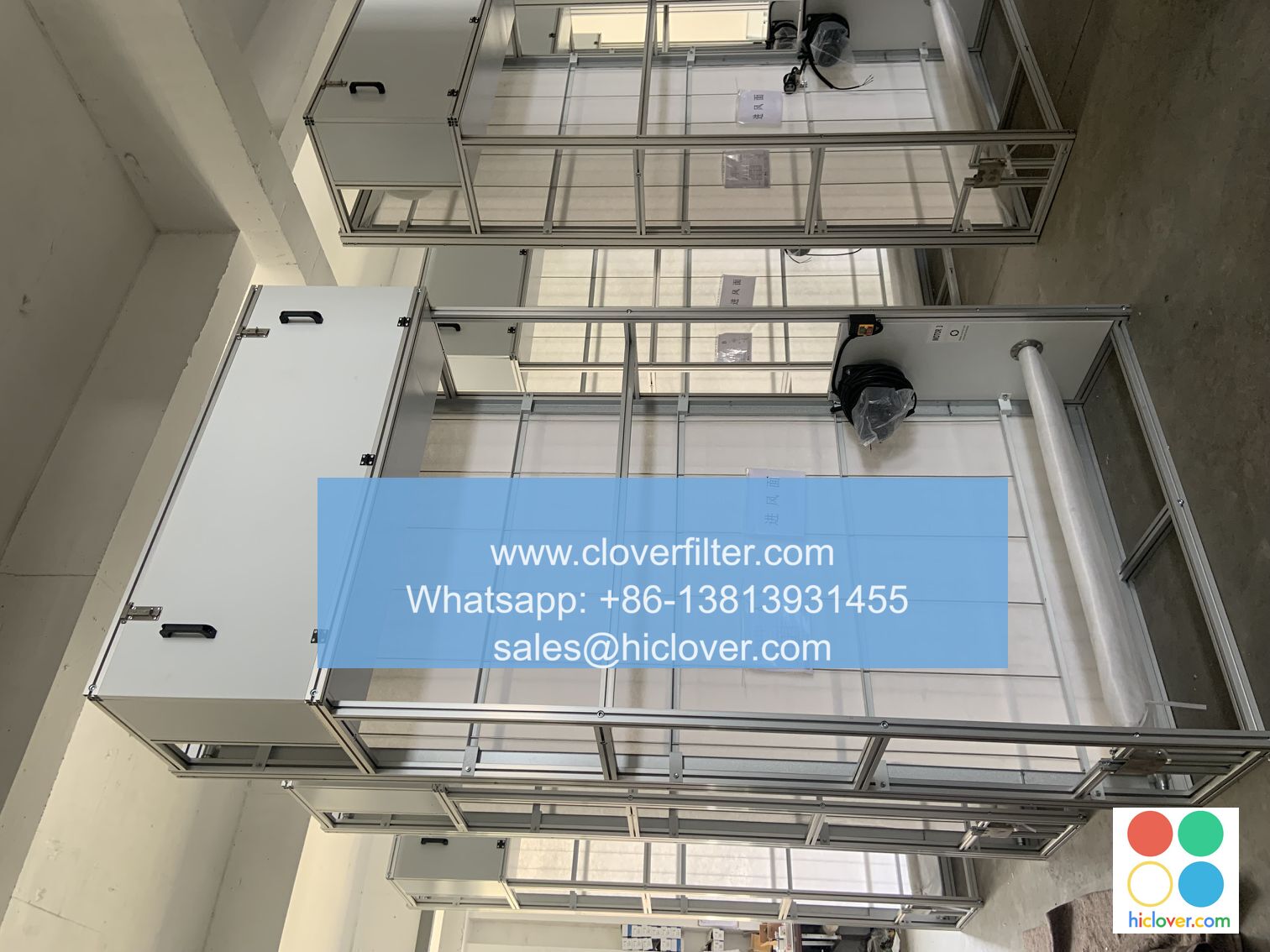
The pharmaceutical industry is a highly regulated and sensitive sector that requires stringent quality control measures to ensure the production of safe and effective medications. One of the critical components in maintaining a contamination-free environment in pharmaceutical manufacturing is the use of air filters. In this article, we will delve into the importance of HEPA filters, ULPA filters, and other types of air filtration systems in pharmaceutical manufacturing, highlighting their applications in cleanroom technology, sterile compounding, and quality control.
Introduction to Air Filtration in Pharmaceutical Manufacturing
Pharmaceutical manufacturing involves the production of medications that are sensitive to contamination, making it essential to maintain a clean and controlled environment. Airborne contaminants, such as particulate matter, bacteria, and viruses, can compromise the quality and safety of pharmaceutical products. Air filters play a vital role in removing these contaminants from the air, ensuring a clean and sterile environment for manufacturing.
Types of Air Filters Used in Pharmaceutical Manufacturing
Several types of air filters are used in pharmaceutical manufacturing, including:
* HEPA (High Efficiency Particulate Air) filters: These filters are capable of removing 99.97% of particles as small as 0.3 microns, making them ideal for use in cleanrooms and sterile compounding areas.
* ULPA (Ultra Low Penetration Air) filters: These filters have an even higher efficiency than HEPA filters, removing 99.999% of particles as small as 0.12 microns.
* Activated carbon filters: These filters are used to remove gases and odor-causing molecules from the air.
* Pre-filters: These filters are used to remove larger particles and extend the life of the primary air filter.
Applications of Air Filters in Pharmaceutical Manufacturing
Air filters have various applications in pharmaceutical manufacturing, including:
* Cleanroom technology: Air filters are used to maintain a clean and controlled environment in cleanrooms, where pharmaceutical products are manufactured.
* Sterile compounding: Air filters are used to remove contaminants from the air in sterile compounding areas, where medications are prepared for patient use.
* Quality control: Air filters are used to ensure the quality of pharmaceutical products by removing contaminants from the air during manufacturing and packaging.
* Containment systems: Air filters are used in containment systems to prevent the release of potent compounds and hazardous materials into the environment.

Regulatory Requirements for Air Filtration in Pharmaceutical Manufacturing
The use of air filters in pharmaceutical manufacturing is subject to various regulatory requirements, including:
* cGMP (current Good Manufacturing Practice) regulations, which require pharmaceutical manufacturers to maintain a clean and controlled environment.
* ISO 14644 standards, which provide guidelines for cleanroom design and operation.
* USP (United States Pharmacopeia) standards, which provide guidelines for the use of air filters in pharmaceutical manufacturing.
Conclusion
In conclusion, air filters play a critical role in pharmaceutical manufacturing, ensuring the production of safe and effective medications. The use of HEPA filters, ULPA filters, and other types of air filtration systems in cleanroom technology, sterile compounding, and quality control is essential for maintaining a clean and sterile environment. By understanding the importance of air filtration in pharmaceutical manufacturing and complying with regulatory requirements, manufacturers can ensure the quality and safety of their products. It looks like you didn’t include a prompt for me to respond to. Please go ahead and provide a question, topic, or prompt, and I’ll be happy to help!
