Air Filter Design for High-Temperature Cleanrooms
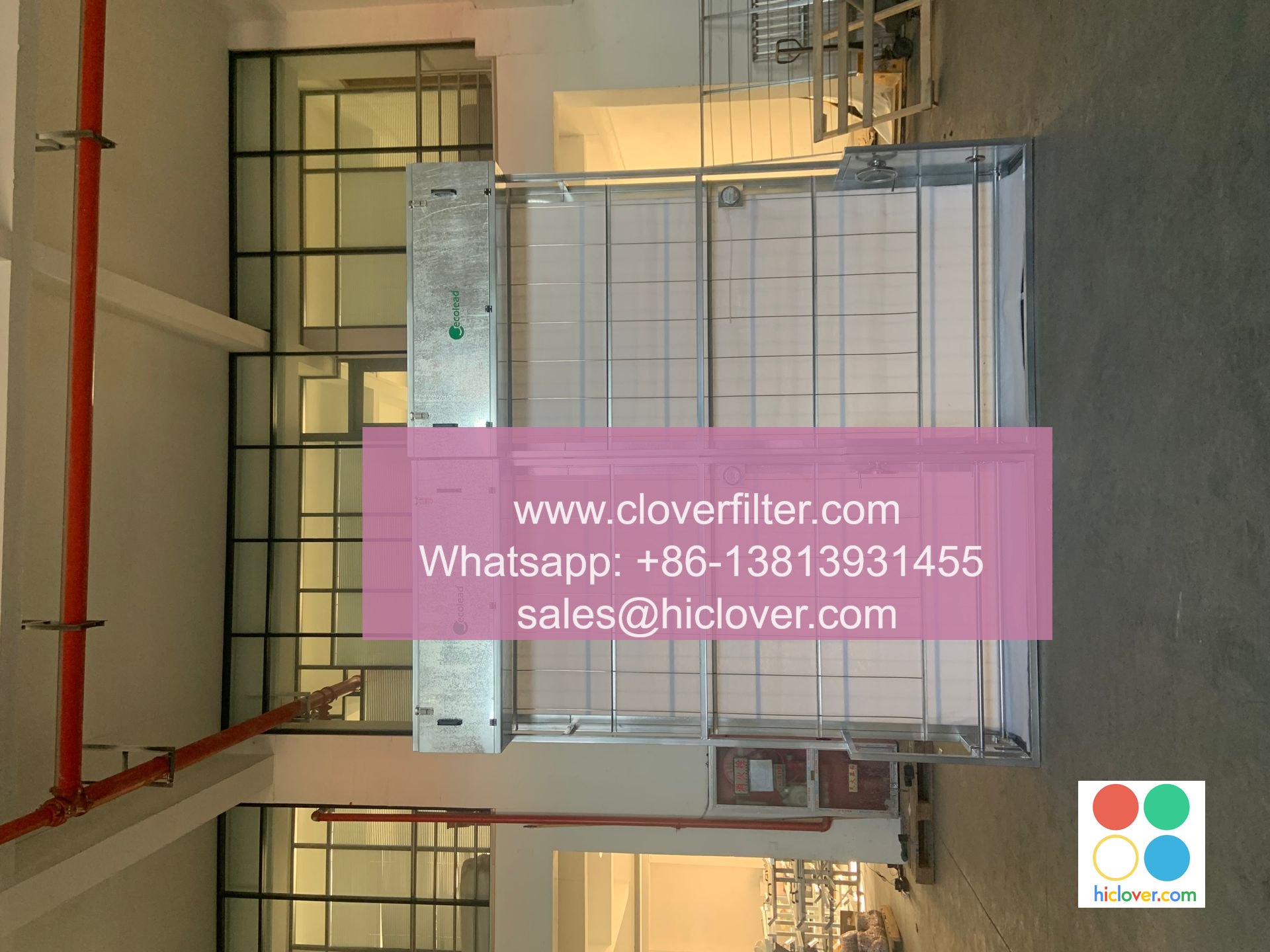
High-temperature cleanrooms are specialized facilities that require precise control over temperature, humidity, and air quality to ensure the integrity of sensitive processes and products. Air filter design plays a critical role in maintaining the cleanliness and stability of these environments. In this article, we will explore the key considerations and design principles for air filters in high-temperature cleanrooms, highlighting various application areas and HEPA filter technologies.
Introduction to High-Temperature Cleanrooms
High-temperature cleanrooms are utilized in a range of industries, including aerospace, semiconductor manufacturing, and pharmaceuticals. These facilities are designed to operate at elevated temperatures, often exceeding 200°F (90°C), which demands specialized air filtration systems capable of withstanding extreme conditions. The primary goal of air filter design in high-temperature cleanrooms is to provide ultra-clean air while maintaining the structural integrity and filter efficiency of the filtration system.
Key Considerations for Air Filter Design
When designing air filters for high-temperature cleanrooms, several factors must be taken into account, including:
* Temperature resistance: The filter media and structure must be able to withstand prolonged exposure to high temperatures without compromising their filter performance.
* Humidity control: The air filtration system must be able to regulate humidity levels to prevent condensation and ensure a stable environment.
* Gas filtration: The filter must be capable of removing gaseous contaminants, such as volatiles and particulates, to maintain air quality.
* Pressure drop: The filter design must minimize pressure drop to ensure efficient airflow and reduce the risk of filter bypass.
Design Principles for High-Temperature Air Filters
To address the challenges posed by high-temperature cleanrooms, air filter designers employ various strategies, including:
* High-temperature filter media: Utilizing filter media specifically designed for high-temperature applications, such as PTFE or polyimide.
* Enhanced filter structures: Incorporating reinforced filter frames and high-strength adhesives to maintain filter integrity.
* Advanced gas filtration systems: Implementing activated carbon or chemical filtration systems to remove gaseous contaminants.

Application Areas for High-Temperature Air Filters
High-temperature air filters are used in a range of applications, including:
* Semiconductor manufacturing: High-temperature cleanrooms are used to produce microelectronic devices and require ultra-clean air to prevent contamination.
* Aerospace: High-temperature air filters are used in the production of aircraft components and spacecraft to ensure cleanliness and structural integrity.
* Pharmaceuticals: High-temperature cleanrooms are used in the production of pharmaceuticals and require precise control over air quality to prevent contamination and ensure product integrity.
Conclusion
Air filter design for high-temperature cleanrooms is a complex process that requires careful consideration of various factors, including temperature resistance, humidity control, and gas filtration. By employing advanced design principles and HEPA filter technologies, high-temperature air filters can provide ultra-clean air and maintain the stability of sensitive processes and products. As the demand for high-temperature cleanrooms continues to grow, the development of innovative air filter designs will play a critical role in enabling various industries to produce high-quality products while ensuring worker safety and environmental protection. It looks like you didn’t include a prompt. Could you please provide more details or clarify what you would like to talk about or ask? I’m here to help with any questions or topics you’d like to discuss!
