A Guide to Selecting the Right Air Filter Dimension for Your Home
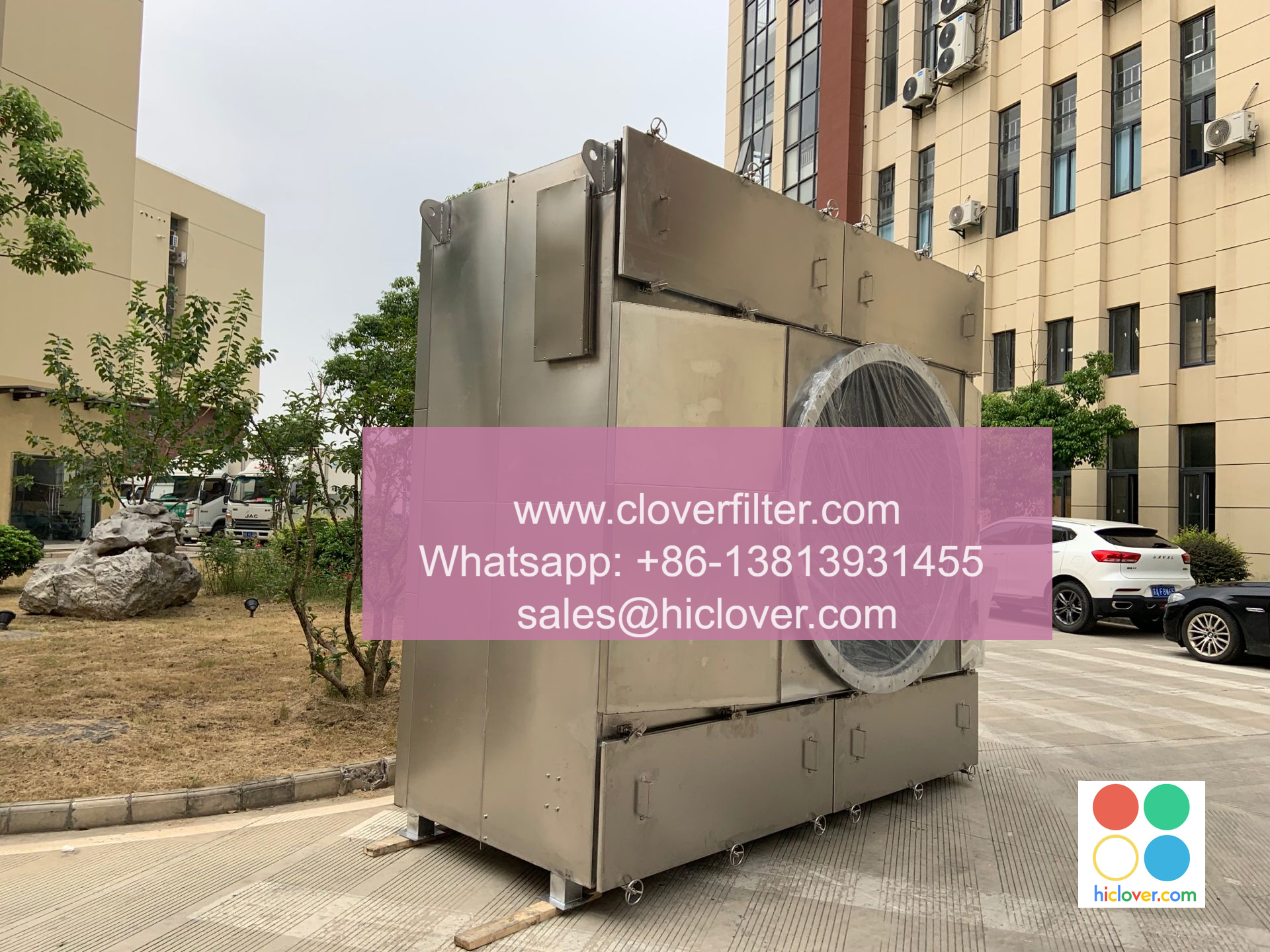
When it comes to maintaining good indoor air quality, selecting the right air filter dimension is crucial. The correct air filter size can significantly improve the performance of your heating, ventilation, and air conditioning (HVAC) system, while an incorrect size can lead to reduced airflow, increased energy bills, and poor indoor air quality. In this article, we will walk you through the process of selecting the right air filter dimension for your home, highlighting various application areas and providing tips for improving indoor air quality.
Understanding Air Filter Types and Sizes
Air filters come in a variety of types and sizes, including standard, custom, and specialty filters. The most common types of air filters are fiberglass, pleated, and high-efficiency particulate air (HEPA) filters. When selecting an air filter, it’s essential to consider the minimum efficiency reporting value (MERV) rating, which measures the filter’s ability to capture particulate matter and other airborne pollutants.
Measuring Your Air Filter Dimension
To select the right air filter dimension, you need to measure the length, width, and thickness of your existing air filter. You can find these measurements on the filter housing or on the filter itself. Make sure to record the measurements in inches to ensure accuracy. It’s also essential to consider the air filter’s airflow rate and static pressure drop to ensure optimal performance.
Application Areas for Different Air Filter Dimensions
Different air filter dimensions are suitable for various application areas, including:
* Residential HVAC systems: Standard air filter sizes, such as 16×20 or 20×25, are commonly used in residential HVAC systems.
* Commercial HVAC systems: Larger air filter sizes, such as 24×36 or 30×40, are often used in commercial HVAC systems.
* Indoor air quality (IAQ) systems: High-efficiency air filters, such as HEPA filters, are used in IAQ systems to capture 99.97% of particles as small as 0.3 microns.
* Industrial applications: Custom air filter sizes and specialty filters are used in industrial applications, such as clean rooms and pharmaceutical manufacturing.
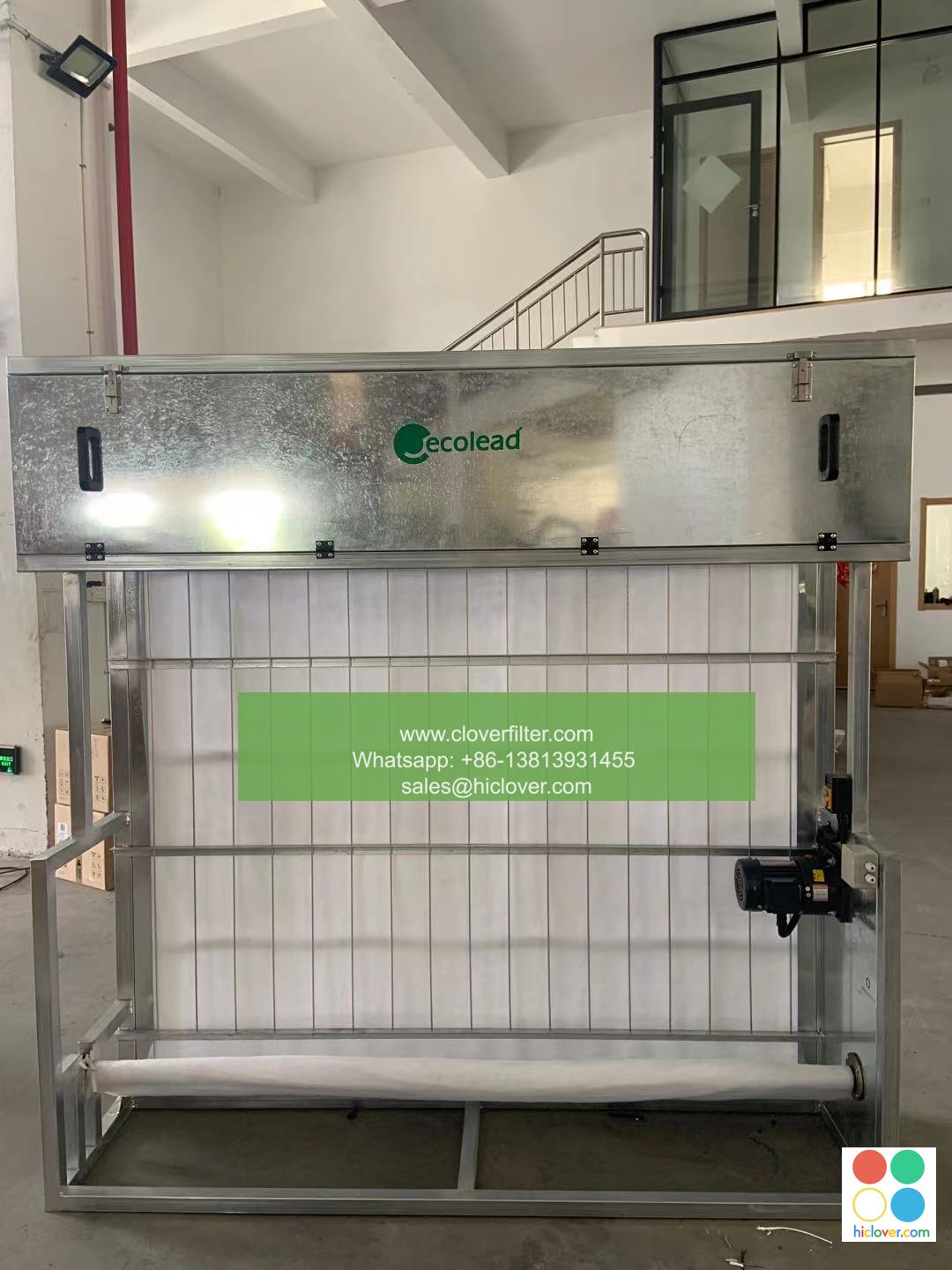
Tips for Improving Indoor Air Quality
In addition to selecting the right air filter dimension, there are several other ways to improve indoor air quality, including:
* Regularly replacing air filters to prevent filter clogging and reduced airflow.
* Using air purifiers to capture volatile organic compounds (VOCs) and other airborne pollutants.
* Increasing ventilation to reduce moisture buildup and condensation.
* Reducing indoor pollution sources, such as tobacco smoke and chemical fumes.
Conclusion
Selecting the right air filter dimension is crucial for maintaining good indoor air quality and optimizing HVAC system performance. By understanding the different types and sizes of air filters, measuring your air filter dimension, and considering various application areas, you can make an informed decision when selecting an air filter for your home. Remember to also follow tips for improving indoor air quality, such as regularly replacing air filters and reducing indoor pollution sources, to create a healthier and more comfortable indoor environment. It seems like you forgot to include a prompt. Could you please provide more details or specify what you would like to talk about or ask? I’m here to help with any questions or topics you have in mind!
