How One Company Improved Indoor Air Quality with Air Filter Contacts
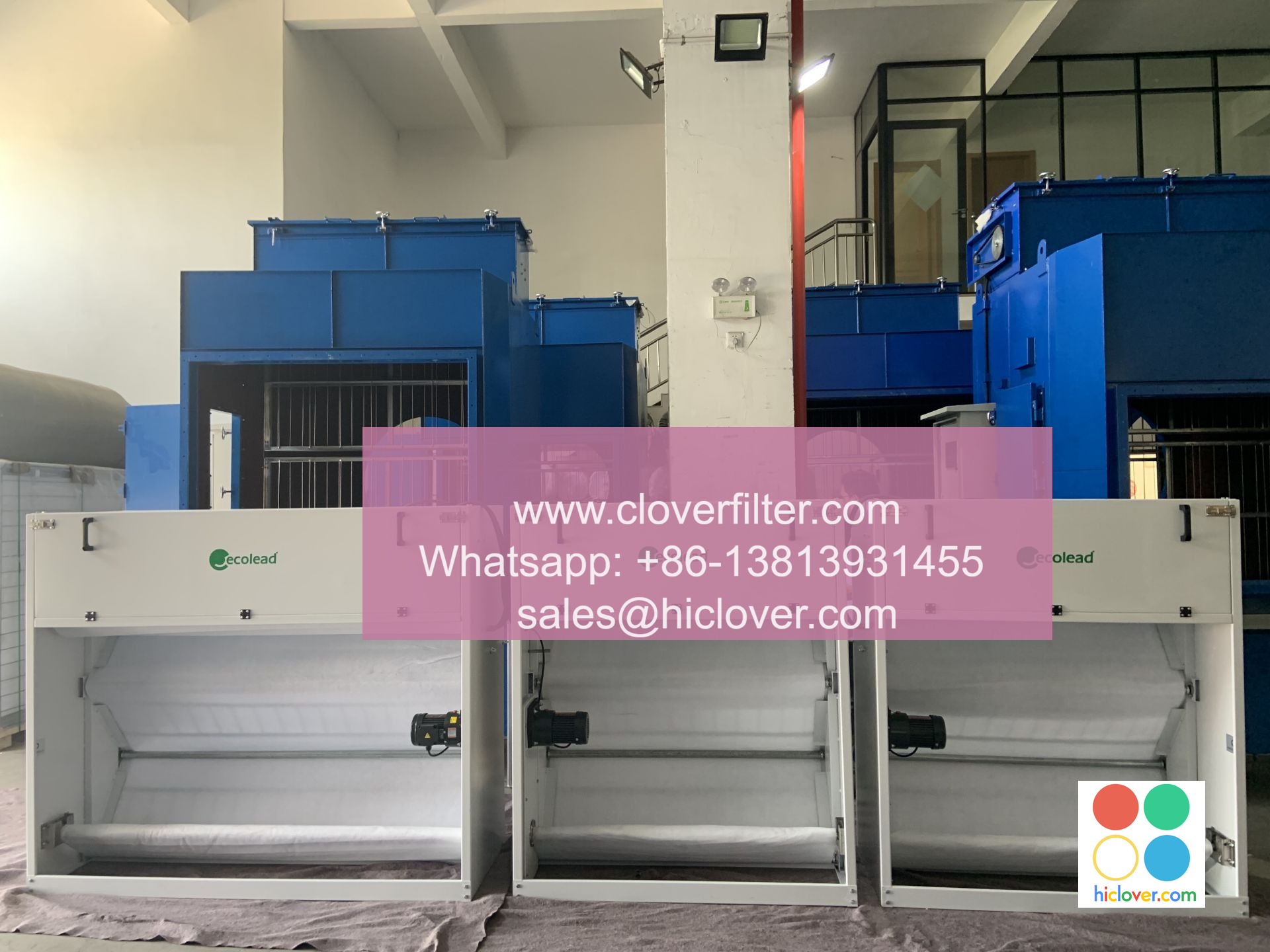
As concerns about indoor air pollution and its impact on human health continue to grow, companies are seeking innovative solutions to improve indoor air quality (IAQ). One such company has made significant strides in this area by leveraging air filter contacts to create a healthier and more sustainable environment for its employees and customers. In this article, we will explore how this company achieved improved air purification and ventilation systems through the strategic use of air filter technology.
Understanding the Importance of Indoor Air Quality
Indoor air quality monitoring has become a critical aspect of maintaining a healthy and productive work environment. With the average person spending around 90% of their time indoors, exposure to poor air quality can lead to a range of health issues, including respiratory problems, allergies, and even cancer. Furthermore, poor IAQ can also negatively impact cognitive function and productivity, making it essential for companies to prioritize air quality management.
The Role of Air Filter Contacts in Improving Indoor Air Quality
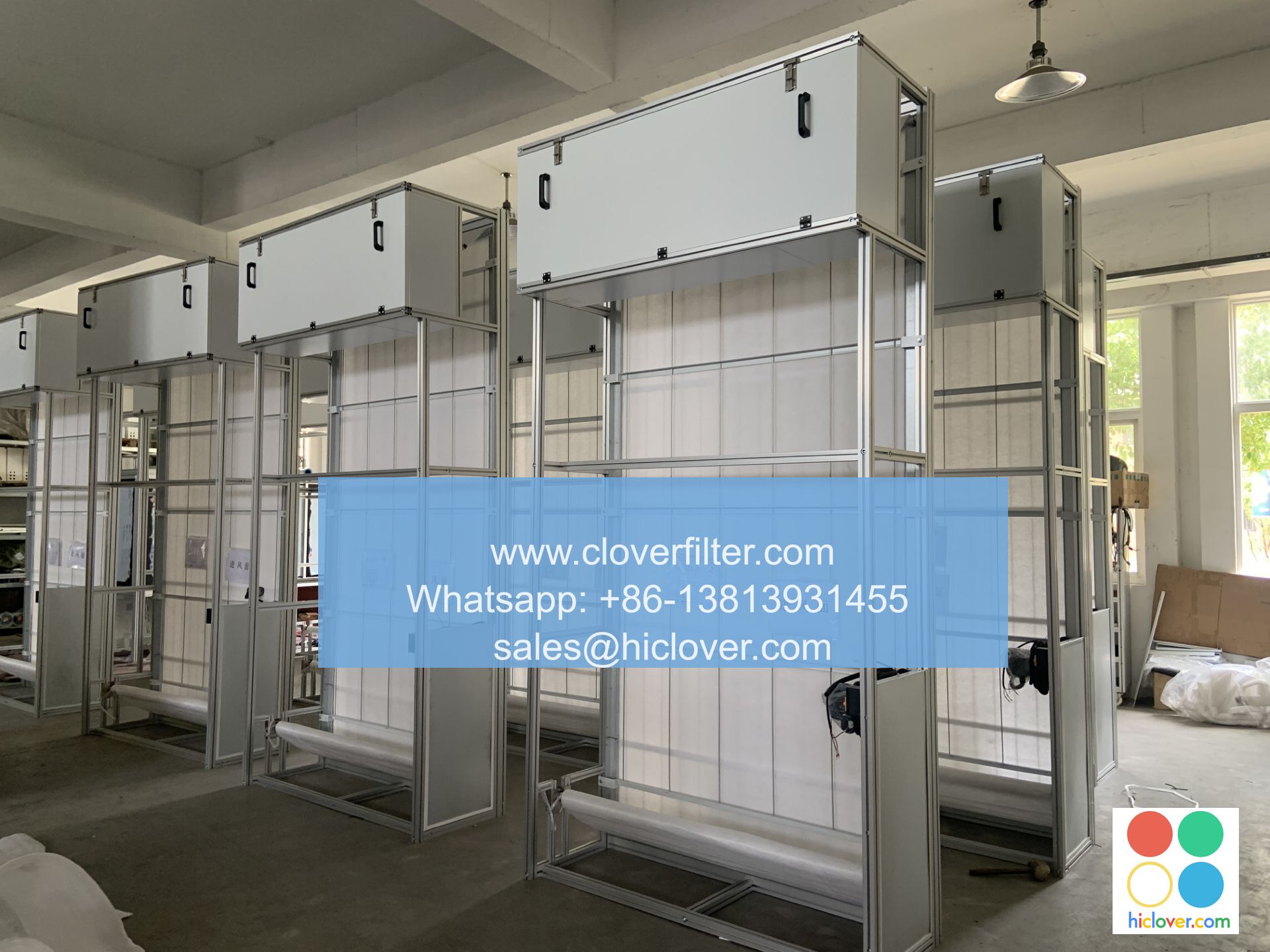
Air filter contacts play a vital role in air filtration systems, enabling the efficient capture of particulate matter (PM), volatile organic compounds (VOCs), and other airborne pollutants. By incorporating high-efficiency air filters with advanced filter media, companies can significantly reduce the concentration of indoor air pollutants and create a healthier environment for occupants. The company in question chose to install air filter contacts with HEPA filtration technology, which is capable of capturing 99.97% of particles as small as 0.3 microns.
Application Areas for Air Filter Contacts
The application of air filter contacts is diverse and can be seen in various industries, including:
* Commercial buildings: Office spaces, retail stores, and restaurants can benefit from improved IAQ through the use of air filter contacts.
* Industrial settings: Manufacturing facilities, warehouses, and other industrial environments can reduce airborne contaminants and improve worker safety with air filter technology.
* Healthcare facilities: Hospitals, clinics, and other healthcare settings require high-level air filtration to prevent the spread of infections and maintain a sterile environment.
* Residential buildings: Homeowners can also benefit from improved IAQ by installing air filter contacts in their HVAC systems.
Benefits of Improved Indoor Air Quality
The company’s decision to invest in air filter contacts has yielded numerous benefits, including:
* Improved employee health and productivity
* Reduced absenteeism and sick leave
* Enhanced cognitive function and focus
* Increased customer satisfaction and loyalty
* Compliance with indoor air quality standards and regulations
In conclusion, the strategic use of air filter contacts has enabled one company to significantly improve indoor air quality and create a healthier, more sustainable environment for its employees and customers. By understanding the importance of IAQ and leveraging air filter technology, companies can reap numerous benefits and stay ahead of the curve in terms of air quality management. As the demand for clean indoor air continues to grow, the application of air filter contacts is likely to expand into various industries and settings, revolutionizing the way we think about indoor air pollution and its impact on human health. It seems like you’re ready to start a conversation or explore a topic, but you haven’t specified what’s on your mind. Could you provide more details or clarify your prompt? I’m here to help with any questions or topics you’d like to discuss!
