The Top Air Filters for Large-Scale Industrial Use
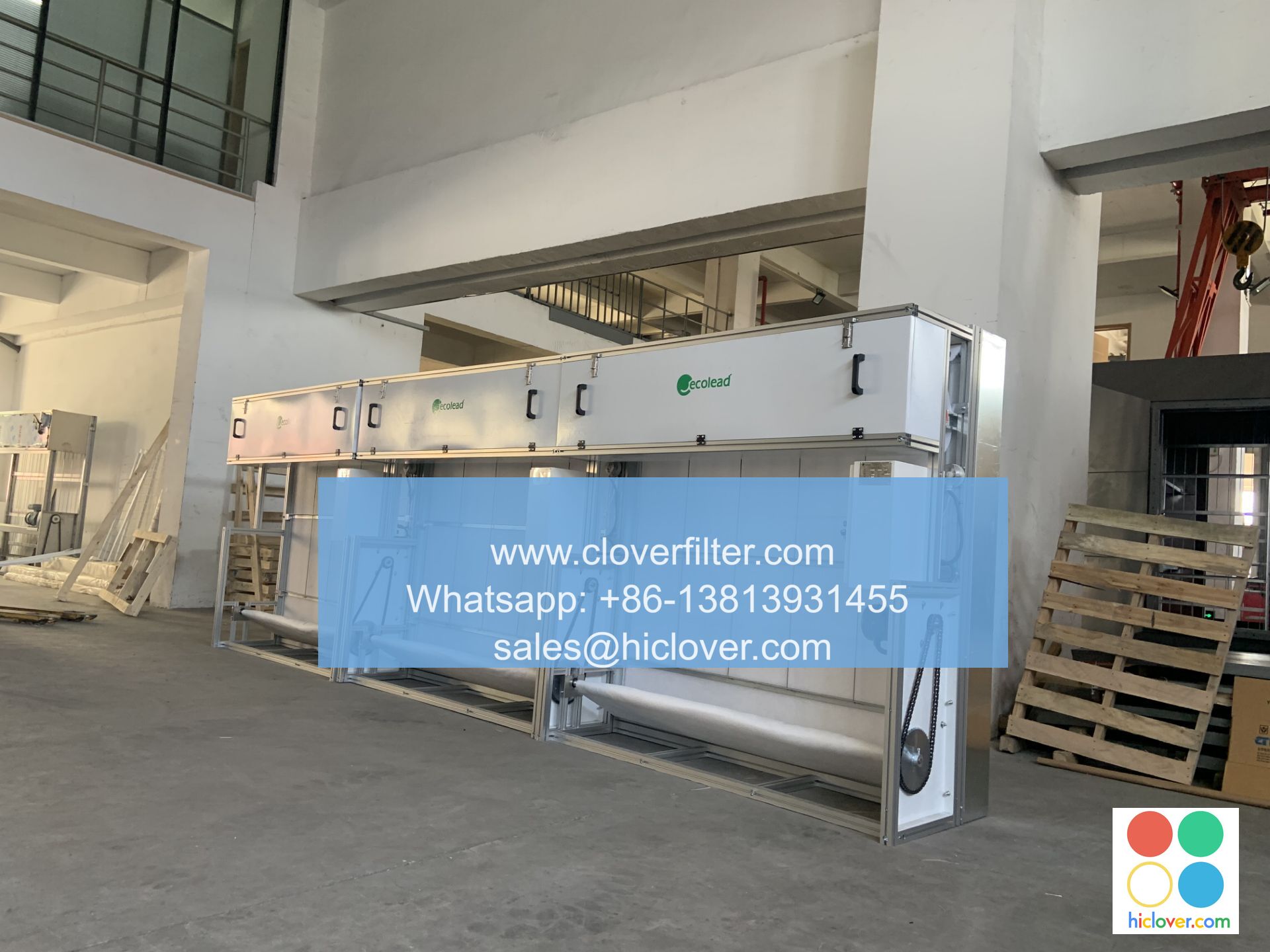
In large-scale industrial settings, maintaining good air quality is crucial for the health and safety of workers, as well as for the efficiency and productivity of operations. One of the most effective ways to achieve this is by installing high-quality air filters that can capture airborne pollutants, dust, and other contaminants. In this article, we will explore the top air filters for large-scale industrial use, highlighting their features, benefits, and application areas.
HEPA Air Filters for Industrial Use
High Efficiency Particulate Air (HEPA) filters are a popular choice for industrial applications due to their ability to capture 99.97% of particles as small as 0.3 microns. These filters are ideal for industries that require high levels of air purity, such as pharmaceutical manufacturing, food processing, and biotechnology. HEPA air filters are also effective in capturing virus particles, bacteria, and mold spores, making them a great option for industries that require high levels of sanitation and hygiene.
Activated Carbon Air Filters for Industrial Odor Control
Activated carbon air filters are designed to capture gases, odors, and chemical vapors from the air. These filters are commonly used in industries such as wastewater treatment, chemical processing, and oil and gas to control hazardous air pollutants (HAPs) and volatile organic compounds (VOCs). Activated carbon air filters are also effective in capturing ammonia, hydrogen sulfide, and other malodorous gases, making them a great option for industries that require effective odor control.
Key Application Areas for Industrial Air Filters
Industrial air filters have a wide range of applications across various industries, including:
* Power generation and energy production
* Chemical processing and petrochemical industries
* Pharmaceutical manufacturing and biotechnology
* Food processing and beverage manufacturing
* Wastewater treatment and water purification
* Oil and gas industries
* Aerospace and defense industries

ULPA Air Filters for Industrial Use
Ultra Low Penetration Air (ULPA) filters are designed to capture 99.999% of particles as small as 0.12 microns. These filters are ideal for industries that require extremely high levels of air purity, such as cleanroom applications, laboratories, and hospital operating rooms. ULPA air filters are also effective in capturing nano-particles and other ultra-fine particles, making them a great option for industries that require high levels of precision and accuracy.
Baghouse Air Filters for Industrial Use
Baghouse air filters are designed to capture large amounts of dust and particulate matter from the air. These filters are commonly used in industries such as cement manufacturing, mining, and asphalt production to control particulate matter (PM) emissions. Baghouse air filters are also effective in capturing heavy metals and other hazardous pollutants, making them a great option for industries that require high levels of pollution control.
In conclusion, the top air filters for large-scale industrial use include HEPA air filters, activated carbon air filters, ULPA air filters, and baghouse air filters. These filters have a wide range of applications across various industries, including power generation, chemical processing, pharmaceutical manufacturing, and wastewater treatment. By choosing the right air filter for their specific application, industries can maintain good air quality, improve worker health and safety, and increase efficiency and productivity. It seems like you’re looking for a prompt to start a conversation or ask a question, but you haven’t specified what that prompt should be about. Could you please provide more details or clarify your request? This will help me give you a more accurate and helpful response.
