HVAC Air Filter Standards for High-Efficiency Systems
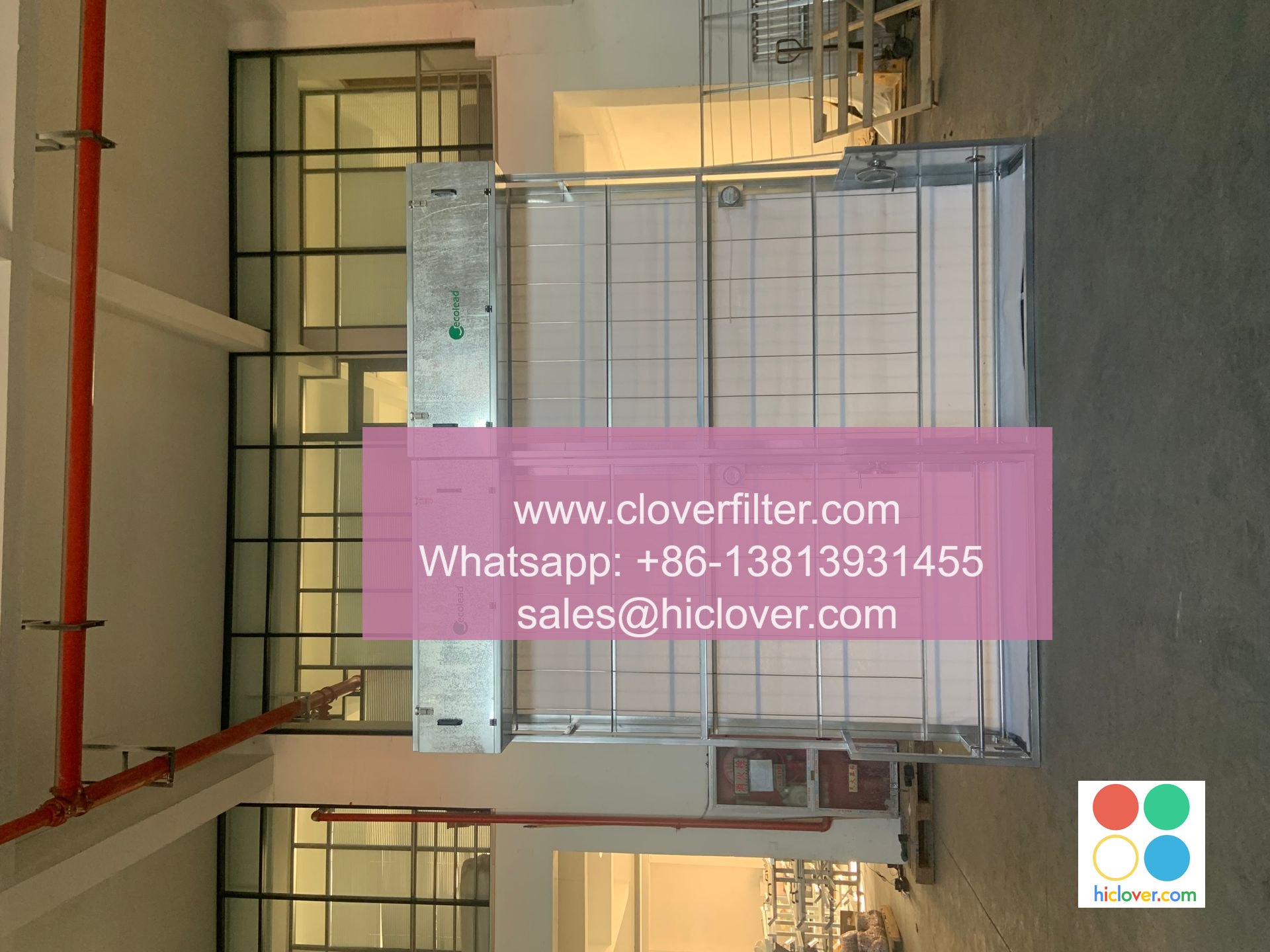
The importance of proper air filtration in heating, ventilation, and air conditioning (HVAC) systems cannot be overstated. As the world shifts towards more energy-efficient and high-performance systems, the need for advanced air filtration standards has become increasingly critical. In this article, we will delve into the world of HVAC air filter standards for high-efficiency systems, exploring the various application areas and highlighting the key considerations for optimal indoor air quality (IAQ).
Introduction to HVAC Air Filter Standards
HVAC air filter standards are designed to ensure that air filters used in high-efficiency systems meet specific criteria for efficacy, durability, and safety. These standards are typically established by reputable organizations such as ASHRAE (American Society of Heating, Refrigerating, and Air-Conditioning Engineers) and ISO (International Organization for Standardization). By adhering to these standards, manufacturers can guarantee that their air filters are capable of delivering optimal performance and energy efficiency while minimizing indoor air pollution.
Key Considerations for High-Efficiency Systems
When it comes to high-efficiency HVAC systems, several key factors must be taken into account to ensure that the air filter standards are met. These include:
* MERV (Minimum Efficiency Reporting Value) ratings: MERV ratings measure the filter’s ability to capture particulate matter and other airborne contaminants. Higher MERV ratings indicate better filtration efficacy.
* Filter media: The type of filter media used can significantly impact the filter’s performance and durability. Common filter media include fiberglass, pleated filters, and electrostatic filters.
* Airflow resistance: The airflow resistance of a filter can affect the overall system performance and energy efficiency. Lower airflow resistance is generally preferable.
Application Areas for High-Efficiency HVAC Systems
High-efficiency HVAC systems are used in a variety of application areas, including:
* Commercial buildings: Office buildings, hospitals, and shopping centers all require high-efficiency HVAC systems to maintain optimal IAQ and energy efficiency.
* Residential buildings: Homeowners are increasingly seeking high-efficiency HVAC systems to improve IAQ and reduce energy consumption.
* Industrial facilities: Manufacturing facilities and other industrial settings require high-efficiency HVAC systems to maintain optimal process conditions and worker safety.

Conclusion
In conclusion, HVAC air filter standards play a critical role in ensuring the efficacy, durability, and safety of high-efficiency systems. By understanding the key considerations for high-efficiency systems and the various application areas, manufacturers and users can make informed decisions about air filter selection and system design. As the world continues to shift towards more energy-efficient and high-performance systems, the importance of HVAC air filter standards will only continue to grow. Prompt
