Air Filter Regulations and Maintenance: A Proactive Approach
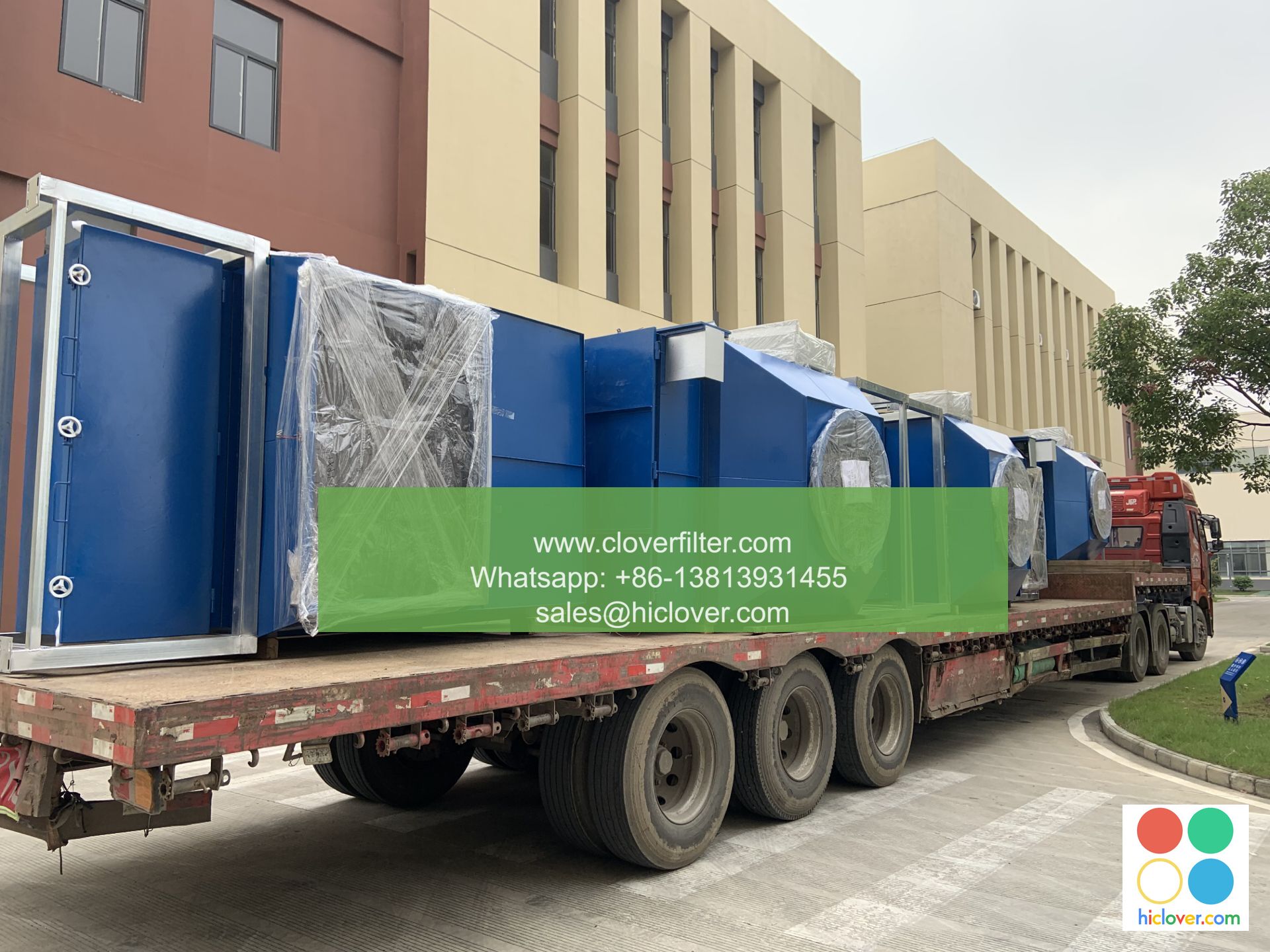
As the world becomes increasingly aware of the importance of indoor air quality (IAQ) and air pollution control, air filter regulations have become a crucial aspect of maintaining a healthy and safe environment. In this article, we will delve into the world of air filter maintenance and explore the various application areas where high-efficiency air filters play a vital role.
Understanding Air Filter Regulations
Air filter regulations are put in place to ensure that heating, ventilation, and air conditioning (HVAC) systems are equipped with high-quality air filters that can effectively remove particulate matter (PM), gases, and vapors from the air. These regulations vary by country and region, but most emphasize the importance of regular air filter maintenance to prevent airborne contaminants from spreading.
Maintenance is Key
Air filter maintenance is a critical aspect of ensuring that air filtration systems operate efficiently and effectively. This includes regular filter replacements, cleaning, and inspections to prevent clogged filters and reduced airflow. By adopting a proactive approach to air filter maintenance, individuals and organizations can help prevent indoor air quality problems and reduce the risk of respiratory issues and other health problems.
Application Areas for High-Efficiency Air Filters
High-efficiency air filters have a wide range of application areas, including:
* Commercial buildings: Offices, schools, and hospitals require high-quality air filters to maintain a healthy and productive environment.
* Industrial facilities: Factories, manufacturing plants, and other industrial settings need robust air filtration systems to control air pollution and prevent workplace hazards.
* Residential homes: Homeowners can benefit from high-efficiency air filters to improve indoor air quality and reduce allergy symptoms.
* Transportation systems: Air filtration systems are used in cars, trains, and airplanes to provide clean air for passengers and crew members.
* Healthcare facilities: Hospitals and healthcare facilities require ultra-high-efficiency air filters to prevent the spread of infectious diseases and maintain a sterile environment.

Conclusion
In conclusion, air filter regulations and maintenance are essential for maintaining a healthy and safe environment. By understanding the importance of high-efficiency air filters and regular maintenance, individuals and organizations can take a proactive approach to indoor air quality control and air pollution prevention. Whether it’s in commercial buildings, industrial facilities, or residential homes, high-quality air filters play a vital role in maintaining a healthy and comfortable environment.
Key terms: air filter regulations, air filter maintenance, high-efficiency air filters, indoor air quality, air pollution control, heating, ventilation, and air conditioning (HVAC) systems, particulate matter (PM), gases, vapors, application areas, commercial buildings, industrial facilities, residential homes, transportation systems, healthcare facilities. You haven’t asked a question or provided any context. Please provide more information or ask a specific question so I can assist you. What’s on your mind?
