Automatic Roll Air Filters: A Crucial Component of High-Purity Labs at UofM
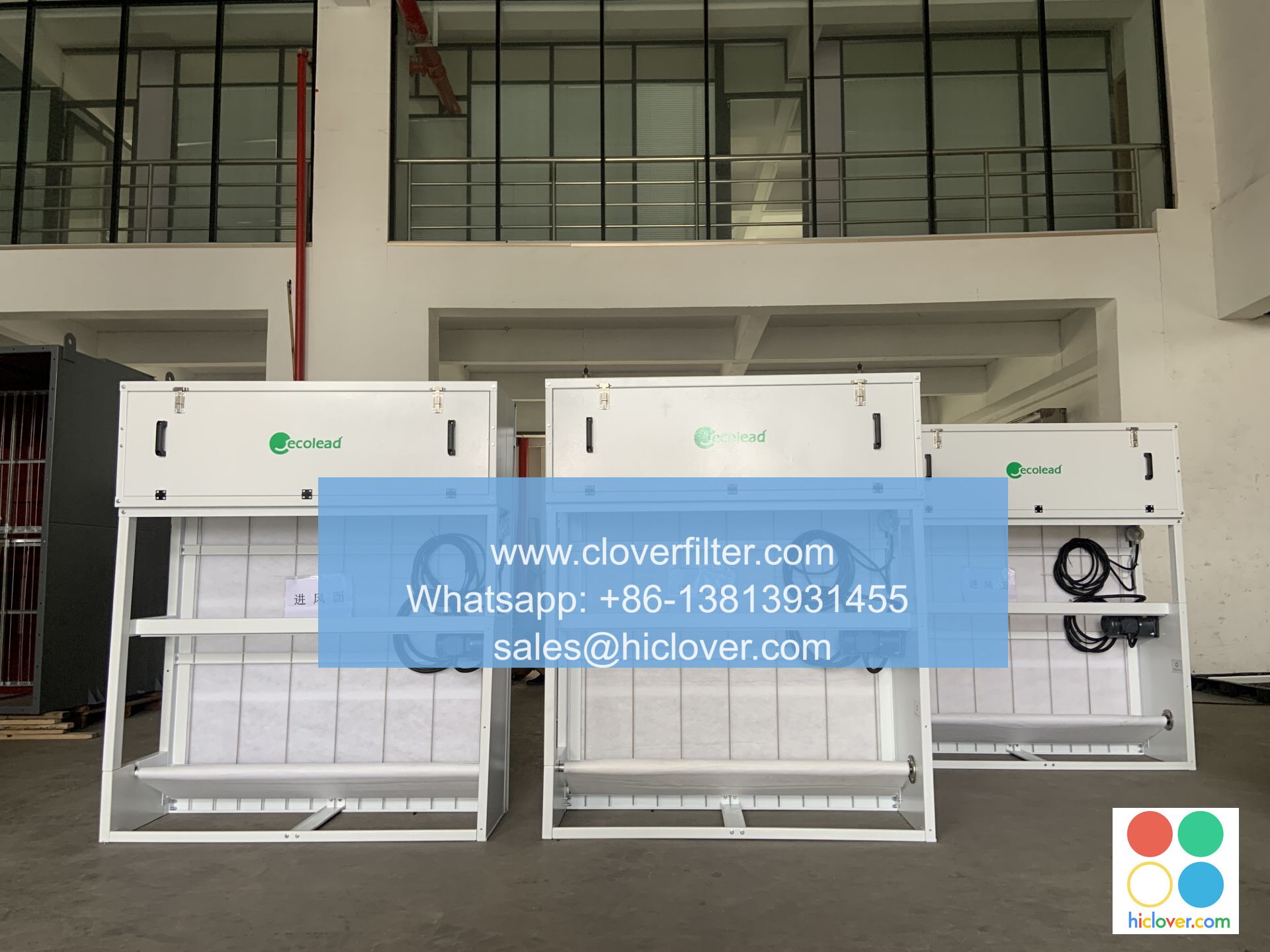
The University of Michigan (UofM) is renowned for its cutting-edge research facilities, including high-purity labs that require precise control over environmental conditions. One critical component that ensures the quality and reliability of these labs is the automatic roll air filter (ARAF). In this article, we will delve into the world of ARAF systems, exploring their significance, functionality, and application areas, with a focus on high-purity labs at UofM.
What are Automatic Roll Air Filters?
Automatic roll air filters are advanced air purification systems designed to provide high-efficiency filtration, removing airborne contaminants, and maintaining optimal indoor air quality (IAQ). These systems utilize a continuous roll of filter media, which is automatically advanced as the filter becomes saturated with particles, ensuring consistent airflow and filter performance. ARAF systems are widely used in various industries, including pharmaceuticals, biotechnology, and microelectronics, where high-purity environments are essential.
Key Features and Benefits of ARAF Systems
ARAF systems offer several key benefits that make them an essential component of high-purity labs at UofM:
* High-efficiency filtration: ARAF systems can capture particles as small as 0.3 microns, ensuring that airborne contaminants are effectively removed from the lab environment.
* Continuous operation: The automatic roll design allows for uninterrupted operation, minimizing downtime and maintaining optimal lab conditions.
* Low maintenance: ARAF systems are designed for easy maintenance, with replaceable filter media and minimal cleaning requirements.
* Energy efficiency: ARAF systems are designed to minimize energy consumption, reducing the environmental impact and operating costs of high-purity labs.
Application Areas of ARAF Systems in High-Purity Labs
ARAF systems are used in various application areas within high-purity labs at UofM, including:
* Cleanrooms: ARAF systems are used to maintain optimal IAQ and prevent contamination in cleanrooms, where nanotechnology and microfabrication research is conducted.
* Biological safety cabinets: ARAF systems are used to provide high-purity air and prevent cross-contamination in biological safety cabinets, where biological research and testing are performed.
* Chemical fume hoods: ARAF systems are used to remove chemical vapors and particulate matter from chemical fume hoods, ensuring a safe working environment for researchers.

Conclusion
In conclusion, automatic roll air filters are a crucial component of high-purity labs at UofM, providing high-efficiency filtration, continuous operation, and low maintenance. The application areas of ARAF systems in high-purity labs are diverse, including cleanrooms, biological safety cabinets, and chemical fume hoods. By understanding the significance and functionality of ARAF systems, researchers and lab managers can ensure optimal lab conditions, maintain high-purity environments, and advance cutting-edge research in various fields, including pharmaceuticals, biotechnology, and microelectronics.
