Air Filter Size: The Key to Improving Indoor Air Quality in Hotels
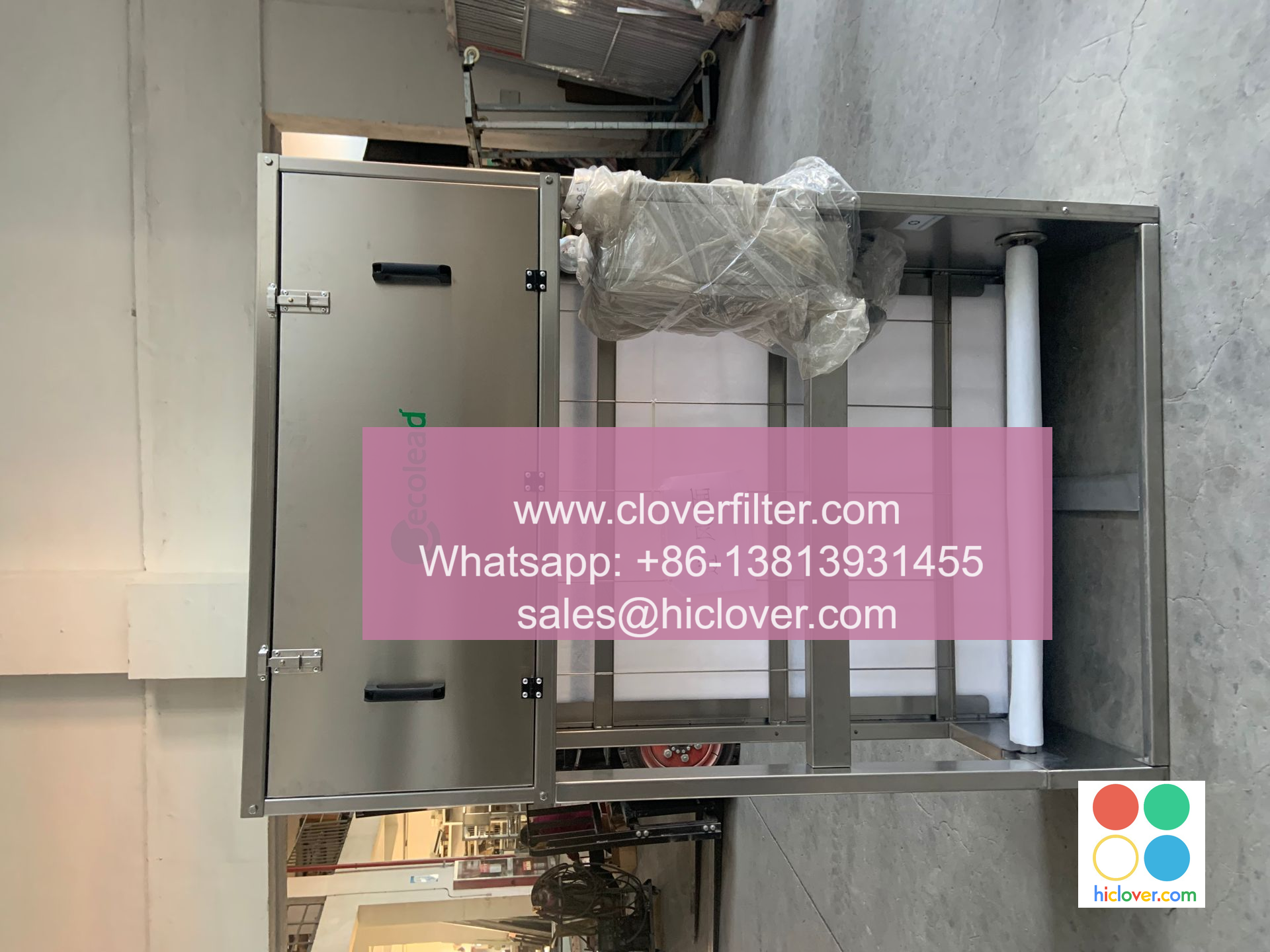
Improving indoor air quality in hotels is crucial for providing a healthy and comfortable environment for guests. One of the most effective ways to achieve this is by installing the right air filter size. In this article, we will discuss the importance of air filter size, its impact on indoor air quality, and various application areas where it can be implemented.
Why Air Filter Size Matters
Air filter size is a critical factor in determining the effectiveness of an air filtration system. A filter that is too small may not be able to capture all the airborne pollutants, while a filter that is too large may increase energy costs and reduce system performance. The right air filter size ensures that the system can handle the airflow requirements of the hotel, removing airborne pollutants such as dust, pollen, and bacteria.
Key Considerations for Air Filter Size
When selecting an air filter, there are several key considerations to keep in mind. These include:
* MERV Rating: The Minimum Efficiency Reporting Value (MERV) rating measures the filter’s ability to capture airborne pollutants. A higher MERV rating indicates a more effective filter.
* CFM (Cubic Feet per Minute): The CFM rating measures the filter’s airflow capacity. A higher CFM rating indicates a filter that can handle more airflow.
* Filter Type: There are various types of air filters, including HEPA (High Efficiency Particulate Air), Activated Carbon, and UV (Ultraviolet) filters. Each type has its own unique benefits and applications.
Application Areas for Air Filter Size
Air filter size is critical in various application areas, including:
* Hotel Rooms: Installing the right air filter size in hotel rooms can improve indoor air quality, reducing the risk of airborne pollutants and improving guest comfort.
* Public Areas: Air filters in public areas, such as lobbies and restaurants, can help remove airborne pollutants and improve indoor air quality.
* Kitchen and Food Service Areas: Air filters in kitchen and food service areas can help remove airborne pollutants, such as grease and smoke, improving indoor air quality and reducing the risk of fire.
* Spas and Fitness Centers: Air filters in spas and fitness centers can help remove airborne pollutants, such as chlorine and sweat, improving indoor air quality and reducing the risk of illness.

Benefits of Improving Indoor Air Quality
Improving indoor air quality in hotels has numerous benefits, including:
* Improved Guest Comfort: Clean air can improve guest comfort, reducing the risk of allergic reactions and respiratory problems.
* Increased Energy Efficiency: A well-designed air filtration system can reduce energy costs and improve system performance.
* Reduced Maintenance Costs: Regular air filter maintenance can reduce maintenance costs and extend the life of the air filtration system.
* Enhanced Reputation: Hotels that prioritize indoor air quality can enhance their reputation, attracting guests who value a healthy and comfortable environment.
Conclusion
In conclusion, air filter size is a critical factor in improving indoor air quality in hotels. By selecting the right air filter size and considering key factors such as MERV rating, CFM, and filter type, hotels can provide a healthy and comfortable environment for guests. Whether in hotel rooms, public areas, kitchen and food service areas, or spas and fitness centers, air filter size plays a vital role in removing airborne pollutants and improving indoor air quality. By prioritizing indoor air quality, hotels can improve guest comfort, reduce energy costs, and enhance their reputation. You haven’t asked a question or provided any context. I’m here to help with any topic you’d like to discuss. What’s on your mind?
