The Pros and Cons of Using a Filter with a Built-In Air Purifier
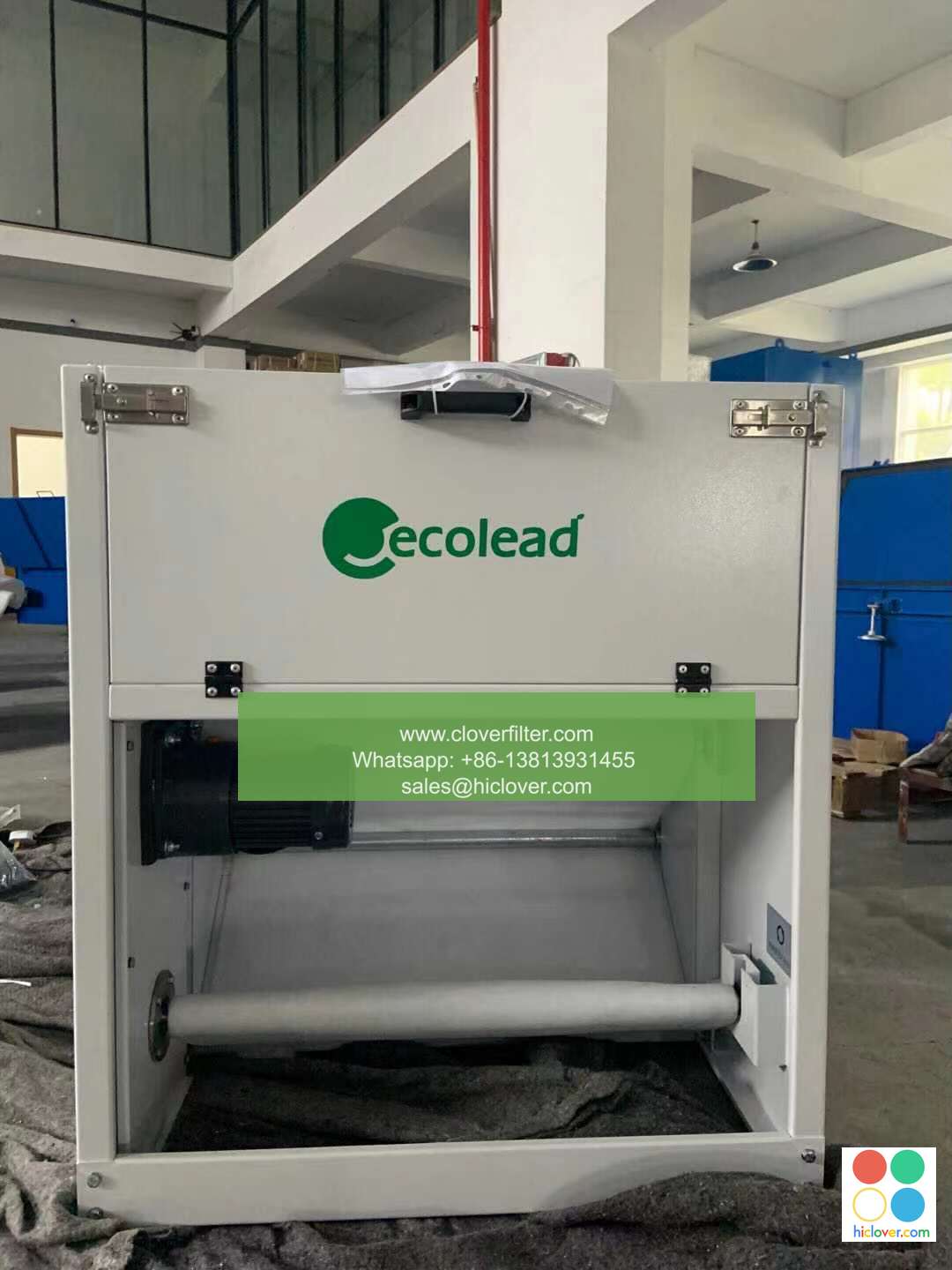
The use of filters with built-in air purifiers has become increasingly popular in recent years, particularly in indoor air quality improvement and air pollution control applications. These devices are designed to remove airborne pollutants and improve indoor air quality, but like any technology, they have their advantages and disadvantages. In this article, we will highlight the pros and cons of using a filter with a built-in air purifier, and explore various application areas where they can be used.
Pros of Using a Filter with a Built-In Air Purifier
There are several benefits to using a filter with a built-in air purifier, including:
* Improved indoor air quality: These devices are designed to remove airborne pollutants such as particulate matter, volatile organic compounds, and odors, which can improve respiratory health and reduce allergy symptoms.
* Reduced maintenance: Filters with built-in air purifiers often have longer lifespans than traditional filters, which can reduce maintenance costs and minimize downtime.
* Increased energy efficiency: Some filters with built-in air purifiers are designed to be energy-efficient, which can reduce energy consumption and lower utility bills.
* Compact design: Many filters with built-in air purifiers have a compact design, which makes them easy to install and ideal for small spaces.
Cons of Using a Filter with a Built-In Air Purifier
While filters with built-in air purifiers have several benefits, there are also some drawbacks to consider, including:
* Higher upfront cost: Filters with built-in air purifiers are often more expensive than traditional filters, which can be a barrier to adoption for some individuals and organizations.
* Limited effectiveness: Some filters with built-in air purifiers may not be effective against certain types of pollutants, such as gases or chemicals.
* Noise and vibration: Some filters with built-in air purifiers can be noisy or vibrate during operation, which can be a distraction or nuisance.
* Replacement costs: While filters with built-in air purifiers may have longer lifespans than traditional filters, they can still require periodic replacement, which can be costly.
Application Areas for Filters with Built-In Air Purifiers
Filters with built-in air purifiers can be used in a variety of application areas, including:
* Residential buildings: Filters with built-in air purifiers can be used to improve indoor air quality in homes and apartments, which can be particularly beneficial for individuals with respiratory issues or allergies.
* Commercial buildings: Filters with built-in air purifiers can be used in office buildings, hospitals, and other commercial spaces to improve indoor air quality and reduce sick building syndrome.
* Industrial facilities: Filters with built-in air purifiers can be used in industrial facilities to remove airborne pollutants and improve worker health and safety.
* Transportation systems: Filters with built-in air purifiers can be used in vehicles and public transportation systems to improve indoor air quality and reduce the transmission of airborne diseases.
In conclusion, filters with built-in air purifiers offer several benefits, including improved indoor air quality, reduced maintenance, and increased energy efficiency. However, they also have some drawbacks, such as higher upfront costs and limited effectiveness. By understanding the pros and cons of using a filter with a built-in air purifier, individuals and organizations can make informed decisions about whether this technology is right for their air quality improvement and pollution control needs. It looks like you didn’t include a prompt. Please go ahead and provide one, and I’ll do my best to help!

