Air Filtration Solutions for Aerospace Manufacturing: A Case Study of Safran’s Chihuahua Facilities
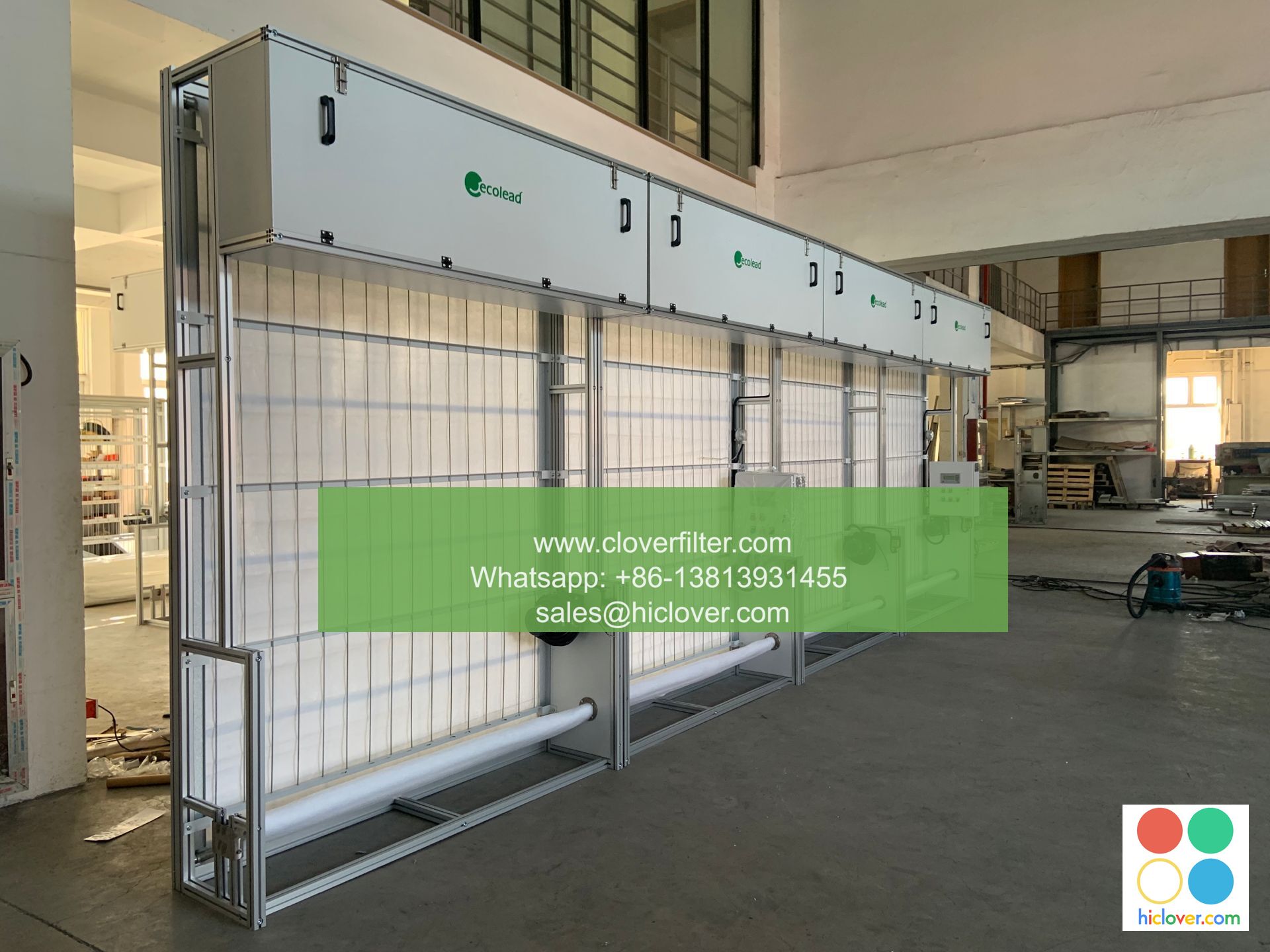
The aerospace industry is a highly specialized and demanding sector that requires the highest levels of precision, quality, and cleanliness. In aerospace manufacturing, maintaining a clean and controlled environment is crucial to prevent contamination and ensure the production of high-quality components. One of the key factors in achieving this is the implementation of effective air filtration solutions. In this article, we will explore the importance of air filtration in aerospace manufacturing and highlight the successful implementation of air filtration systems at Safran’s Chihuahua facilities.
Introduction to Air Filtration in Aerospace Manufacturing
Aerospace manufacturing involves the production of complex and sensitive components, such as aircraft engines, turbines, and electronic systems. These components require a high level of precision and cleanliness to function properly, and any contamination can have serious consequences. Airborne contaminants, such as dust, particles, and moisture, can compromise the quality of these components and lead to costly repairs or even failure. Therefore, air filtration solutions play a critical role in maintaining a clean and controlled environment in aerospace manufacturing facilities.
Key Application Areas for Air Filtration in Aerospace Manufacturing
There are several key application areas where air filtration solutions are essential in aerospace manufacturing, including:
* Cleanrooms: Cleanrooms are controlled environments that require high levels of air purity to prevent contamination. Air filtration systems are used to remove airborne particles and maintain a sterile environment.
* Paint Shops: Paint shops require air filtration systems to remove particles and contaminants from the air, ensuring a smooth and even finish on aircraft components.
* Machine Shops: Machine shops generate high levels of airborne particles and contaminants, which can compromise the quality of components. Air filtration systems are used to remove these contaminants and maintain a clean environment.
* Electronics Manufacturing: Electronics manufacturing requires a high level of cleanliness and air purity to prevent damage to sensitive components. Air filtration systems are used to remove airborne particles and maintain a static-free environment.
Safran’s Chihuahua Facilities: A Case Study
Safran is a leading aerospace manufacturer with facilities located around the world. The company’s Chihuahua facilities in Mexico are a prime example of the successful implementation of air filtration solutions in aerospace manufacturing. The facilities produce a range of components, including aircraft engines and turbines, and require high levels of air purity to maintain quality and prevent contamination.
Safran’s Chihuahua facilities use a range of air filtration systems, including HEPA filters, ULPA filters, and activated carbon filters, to remove airborne particles and contaminants. The facilities also use air purification systems to remove moisture and other gases from the air, maintaining a stable and controlled environment.

Benefits of Air Filtration Solutions in Aerospace Manufacturing
The implementation of air filtration solutions at Safran’s Chihuahua facilities has resulted in several benefits, including:
* Improved component quality: Air filtration systems have helped to prevent contamination and maintain the quality of components.
* Increased productivity: By maintaining a clean and controlled environment, air filtration systems have helped to reduce downtime and increase productivity.
* Cost savings: The implementation of air filtration systems has helped to reduce costs associated with rework and repairs.
* Enhanced worker safety: Air filtration systems have helped to remove airborne contaminants, creating a safer working environment for employees.
Conclusion
In conclusion, air filtration solutions play a critical role in aerospace manufacturing, and their implementation can have a significant impact on component quality, productivity, and cost savings. The case study of Safran’s Chihuahua facilities highlights the successful implementation of air filtration systems in a real-world setting. As the aerospace industry continues to evolve, the importance of air filtration solutions will only continue to grow, and manufacturers must prioritize the implementation of effective air filtration systems to maintain a competitive edge. By highlighting various application areas, such as cleanrooms, paint shops, machine shops, and electronics manufacturing, and using key words together, such as HEPA filters, ULPA filters, and activated carbon filters, we can better understand the importance of air filtration in aerospace manufacturing.
