The Role of Air Filter Technology in Achieving Sustainability
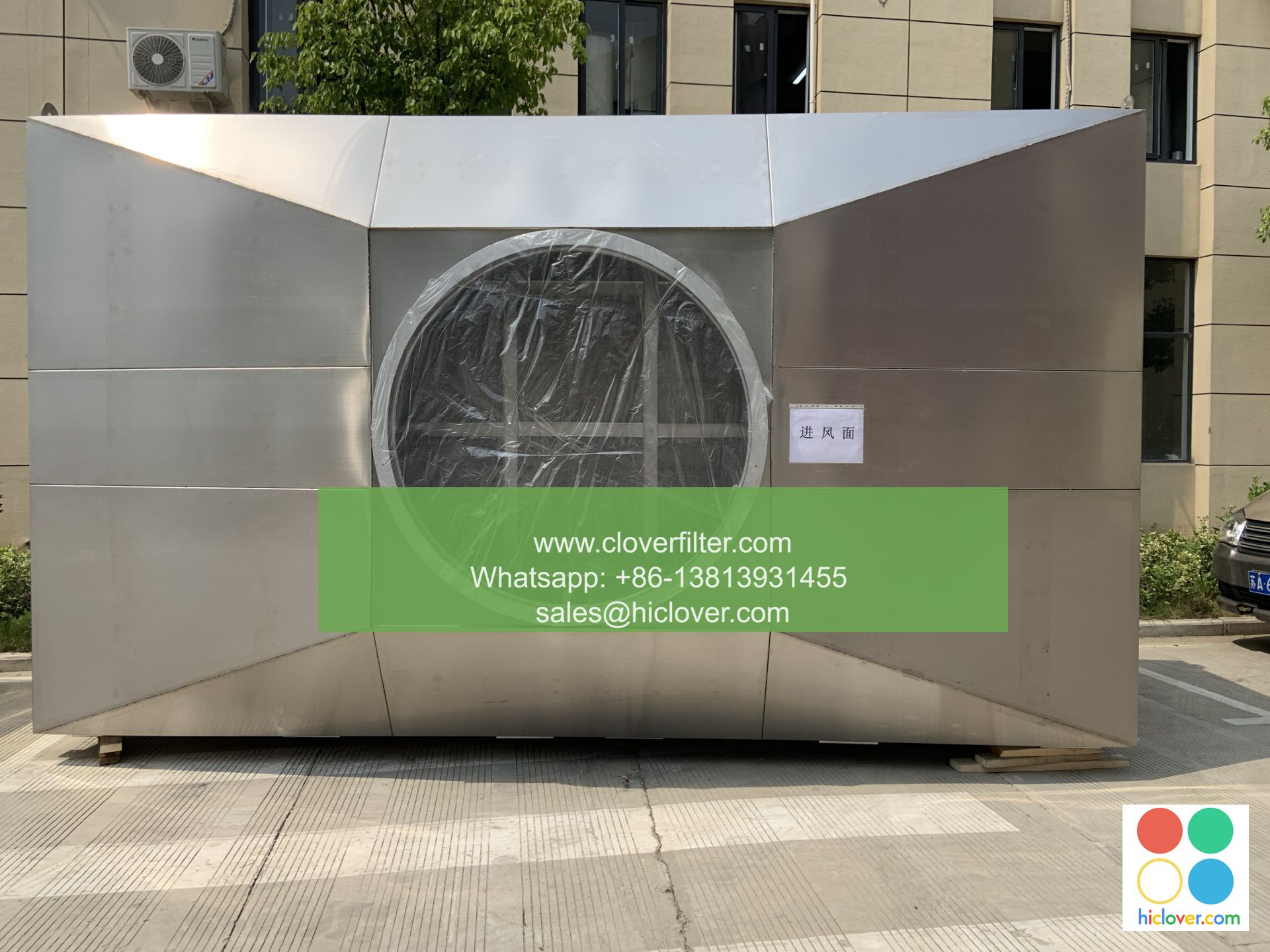
As the world grapples with the challenges of climate change, air pollution, and energy efficiency, the importance of air filter technology in achieving sustainability cannot be overstated. Advanced air filtration systems have become a crucial component in the quest for a greener future, and their applications are diverse and far-reaching.
Indoor Air Quality and Health
One of the primary application areas of air filter technology is in maintaining indoor air quality (IAQ). The air we breathe indoors can be up to 5 times more polluted than outdoor air, thanks to the presence of particulate matter (PM), volatile organic compounds (VOCs), and other pollutants. HEPA filters, activated carbon filters, and UV air purifiers are some of the technologies used to remove these harmful substances from the air, promoting better health and wellbeing.
Energy Efficiency and Cost Savings
Another significant benefit of air filter technology is its potential to improve energy efficiency and reduce cost savings. By using high-efficiency air filters, buildings can lower their energy consumption and minimize their carbon footprint. This is because air filters can help reduce the load on heating, ventilation, and air conditioning (HVAC) systems, which are among the largest energy consumers in commercial and residential buildings.
Industrial Applications and Emissions Control
In industrial settings, air filter technology plays a critical role in emissions control and pollution prevention. Industrial air filters are designed to capture harmful particles and gases emitted during manufacturing processes, preventing them from entering the atmosphere and causing environmental harm. Cyclone separators, baghouses, and scrubbers are some of the technologies used to control industrial air pollution.

Transportation and Vehicle Emissions
The transportation sector is another area where air filter technology can make a significant impact. Vehicle emissions are a major contributor to air pollution, and air filters can help reduce particulate matter and other pollutants emitted by vehicles. Cabin air filters and engine air filters are two examples of technologies used to improve air quality in vehicles.
Agricultural and Environmental Applications
Finally, air filter technology has a range of agricultural and environmental applications. In agriculture, air filters can be used to control pests and diseases that affect crops. In environmental conservation, air filters can help remove pollutants from water and air, protecting ecosystems and biodiversity.
In conclusion, the role of air filter technology in achieving sustainability is multifaceted and far-reaching. From indoor air quality and energy efficiency to industrial applications and environmental conservation, air filters have the potential to make a significant impact on our health, environment, and economy. As we continue to develop and improve air filter technologies, we can look forward to a cleaner, greener, and more sustainable future. It seems like you’re ready to start a conversation or ask a question, but you haven’t provided a specific prompt yet. Could you please provide more details or clarify what you’re looking for? I’m here to help with a wide range of topics, from explaining complex concepts to creative writing. What’s on your mind?
