Air Filter Energy Savings
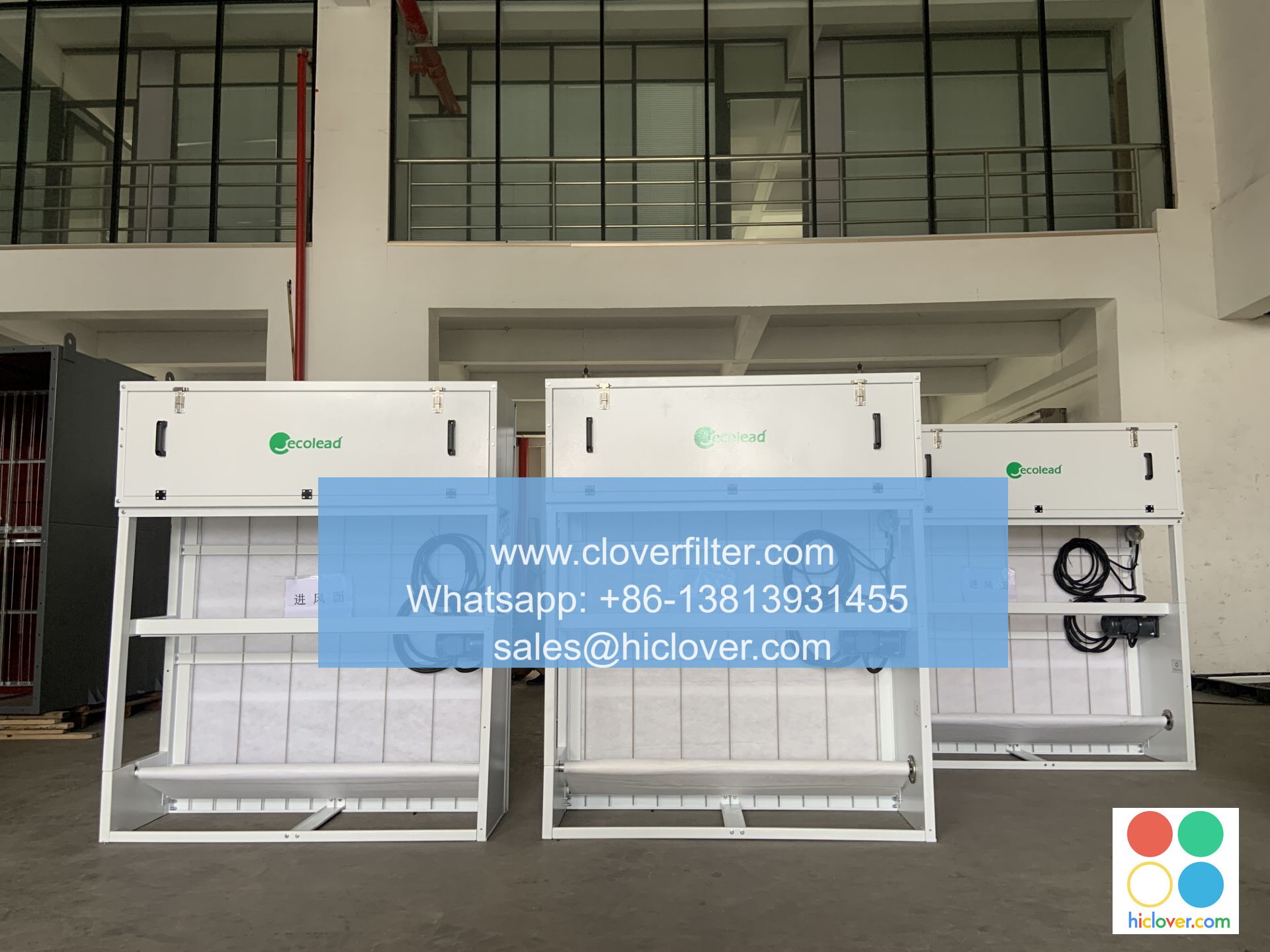
As the world grapples with the challenges of climate change, energy efficiency has become a top priority for individuals, businesses, and governments alike. One often overlooked area of energy savings is air filter technology, which can have a significant impact on reducing energy consumption in various application areas, including heating, ventilation, and air conditioning (HVAC) systems, industrial processes, and residential buildings. In this article, we will delve into the world of air filter energy savings, exploring the benefits, technologies, and best practices for minimizing energy waste and maximizing efficiency.
Benefits of Air Filter Energy Savings
The benefits of air filter energy savings are multifaceted and far-reaching. By improving air filter efficiency, individuals and organizations can:
* Reduce energy consumption and lower utility bills
* Minimize greenhouse gas emissions and mitigate climate change
* Improve indoor air quality and enhance occupant health and productivity
* Extend the lifespan of HVAC systems and reduce maintenance costs
* Enhance overall system performance and reliability
Key Technologies for Air Filter Energy Savings
Several key technologies are driving the air filter energy savings revolution, including:
* High-efficiency particulate air (HEPA) filters, which can capture up to 99.97% of particles as small as 0.3 microns
* Activated carbon filters, which can effectively remove volatile organic compounds (VOCs) and other pollutants
* Electrostatic air filters, which use electrostatic charges to attract and capture particles
* Smart air filtration systems, which can monitor and adjust air filter performance in real-time
Application Areas for Air Filter Energy Savings
Air filter energy savings can be applied in various sectors, including:
* Commercial buildings, where energy-efficient air filters can reduce energy consumption and improve indoor air quality
* Industrial processes, where high-efficiency air filters can minimize energy waste and enhance system performance
* Residential buildings, where smart air filtration systems can improve indoor air quality and reduce energy consumption
* Automotive and transportation systems, where air filter energy savings can improve fuel efficiency and reduce emissions

Best Practices for Implementing Air Filter Energy Savings
To maximize air filter energy savings, individuals and organizations should follow these best practices:
* Regularly maintain and replace air filters to ensure optimal performance and efficiency
* Monitor and adjust air filter performance in real-time to optimize energy savings
* Choose the right air filter technology for the specific application area and use case
* Consider energy-efficient air filter designs, such as those with low pressure drops and high filtration efficiencies
Conclusion
In conclusion, air filter energy savings offer a significant opportunity for reducing energy consumption, minimizing greenhouse gas emissions, and improving indoor air quality. By understanding the benefits, technologies, and best practices for air filter energy savings, individuals and organizations can make informed decisions about implementing energy-efficient air filter solutions in various application areas. As we move forward in the pursuit of a more sustainable and energy-efficient future, the importance of air filter energy savings will only continue to grow. It seems like you didn’t include a prompt. Could you please provide more details or specify what you would like to know or discuss? I’m here to help with any questions or topics you have in mind.
