Air Filter Systems for Pharmaceutical Manufacturing Facilities
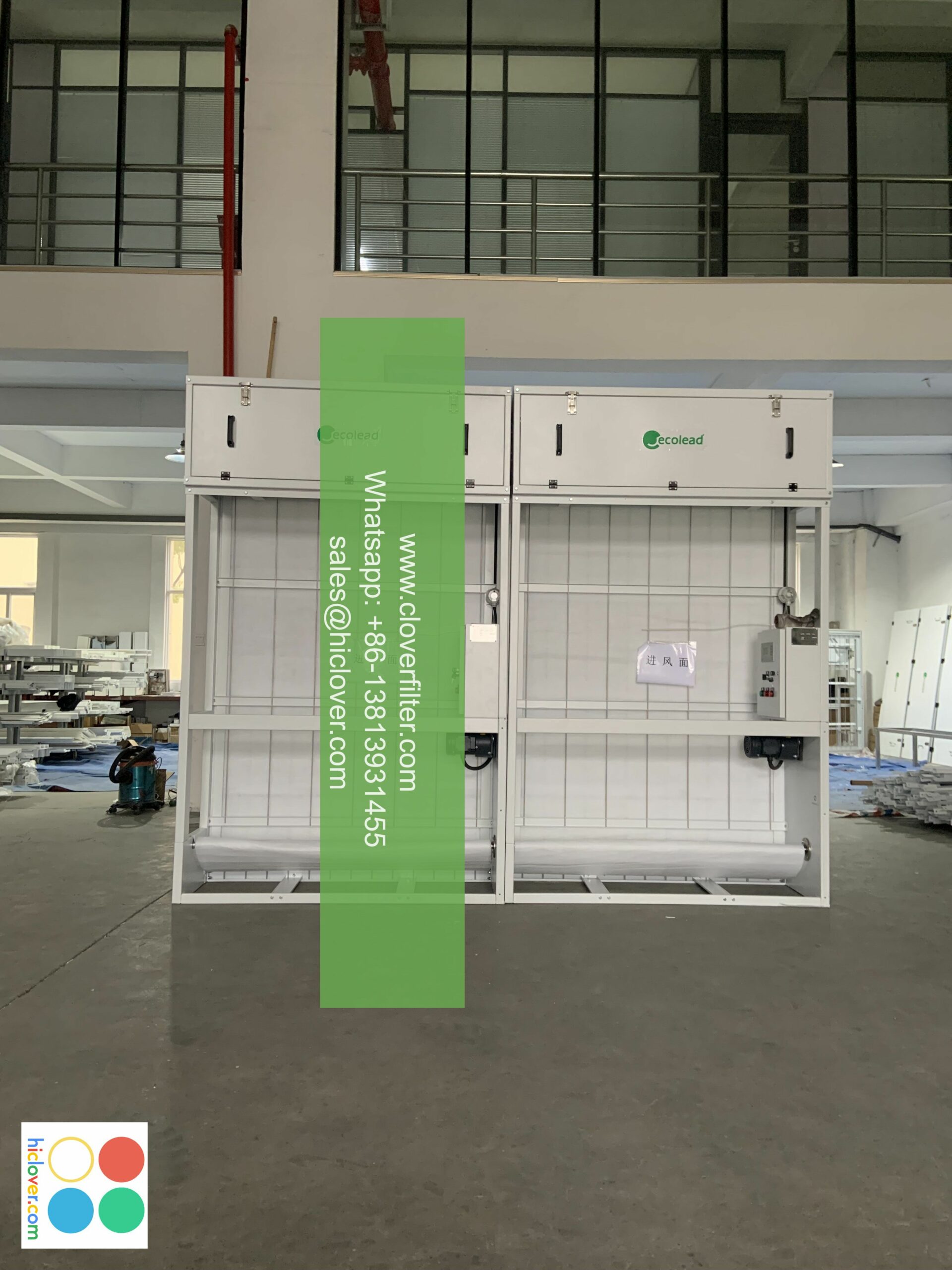
Pharmaceutical manufacturing facilities require precise control over their environments to ensure the production of high-quality products. One crucial aspect of achieving this control is the implementation of effective air filter systems. These systems play a vital role in maintaining cleanliness, preventing contamination, and ensuring compliance with regulatory standards. In this article, we will explore the importance of air filter systems in pharmaceutical manufacturing facilities, highlighting various application areas and key considerations.
Importance of Air Filter Systems in Pharmaceutical Manufacturing
Air filter systems are essential in pharmaceutical manufacturing facilities to prevent the introduction of airborne contaminants, such as dust, bacteria, and other microorganisms, into the production area. These contaminants can compromise the quality of the products, leading to recalls, reputational damage, and financial losses. Effective air filter systems help to:
* Prevent cross-contamination between different production areas
* Maintain a controlled environment, ensuring consistent temperature, humidity, and air quality
* Protect personnel and products from airborne hazards
* Ensure compliance with regulatory standards, such as those set by the FDA, EU GMP, and ISO 14644
Types of Air Filter Systems Used in Pharmaceutical Manufacturing
There are several types of air filter systems used in pharmaceutical manufacturing facilities, including:
* HEPA (High Efficiency Particulate Air) filters, which are capable of capturing 99.97% of particles as small as 0.3 microns
* ULPA (Ultra Low Penetration Air) filters, which can capture 99.99% of particles as small as 0.12 microns
* Activated carbon filters, which are used to remove gases, vapors, and odors from the air
* Pre-filters, which are used to capture larger particles and extend the lifespan of the main filter
Application Areas for Air Filter Systems in Pharmaceutical Manufacturing
Air filter systems are used in various application areas within pharmaceutical manufacturing facilities, including:
* Production areas, such as tablet and capsule filling, liquid and ointment production, and packaging areas
* Quality control laboratories, where samples are tested for purity and potency
* Research and development areas, where new products and processes are developed
* Storage and warehousing areas, where raw materials and finished products are stored

Key Considerations for Air Filter Systems in Pharmaceutical Manufacturing
When selecting and implementing air filter systems in pharmaceutical manufacturing facilities, several key considerations must be taken into account, including:
* Filter efficiency and effectiveness, ensuring that the filter can capture the required range of particles and contaminants
* Filter maintenance and replacement schedules, ensuring that filters are regularly cleaned or replaced to maintain optimal performance
* System design and integration, ensuring that the air filter system is properly integrated with other facility systems, such as HVAC and ventilation systems
* Validation and testing, ensuring that the air filter system meets regulatory requirements and industry standards
Conclusion
In conclusion, air filter systems play a critical role in maintaining clean and controlled environments in pharmaceutical manufacturing facilities. By understanding the importance of air filter systems, the types of systems available, and the key considerations for selection and implementation, facilities can ensure compliance with regulatory standards, protect personnel and products, and maintain the highest levels of quality and purity. Whether you are involved in the production of biopharmaceuticals, sterile products, or oral solid doses, effective air filter systems are essential for ensuring the success of your pharmaceutical manufacturing operations. It seems like you didn’t include a prompt. Could you please provide more details or specify what you would like to talk about or ask?
