Environmental Benefits of Advanced Air Filters
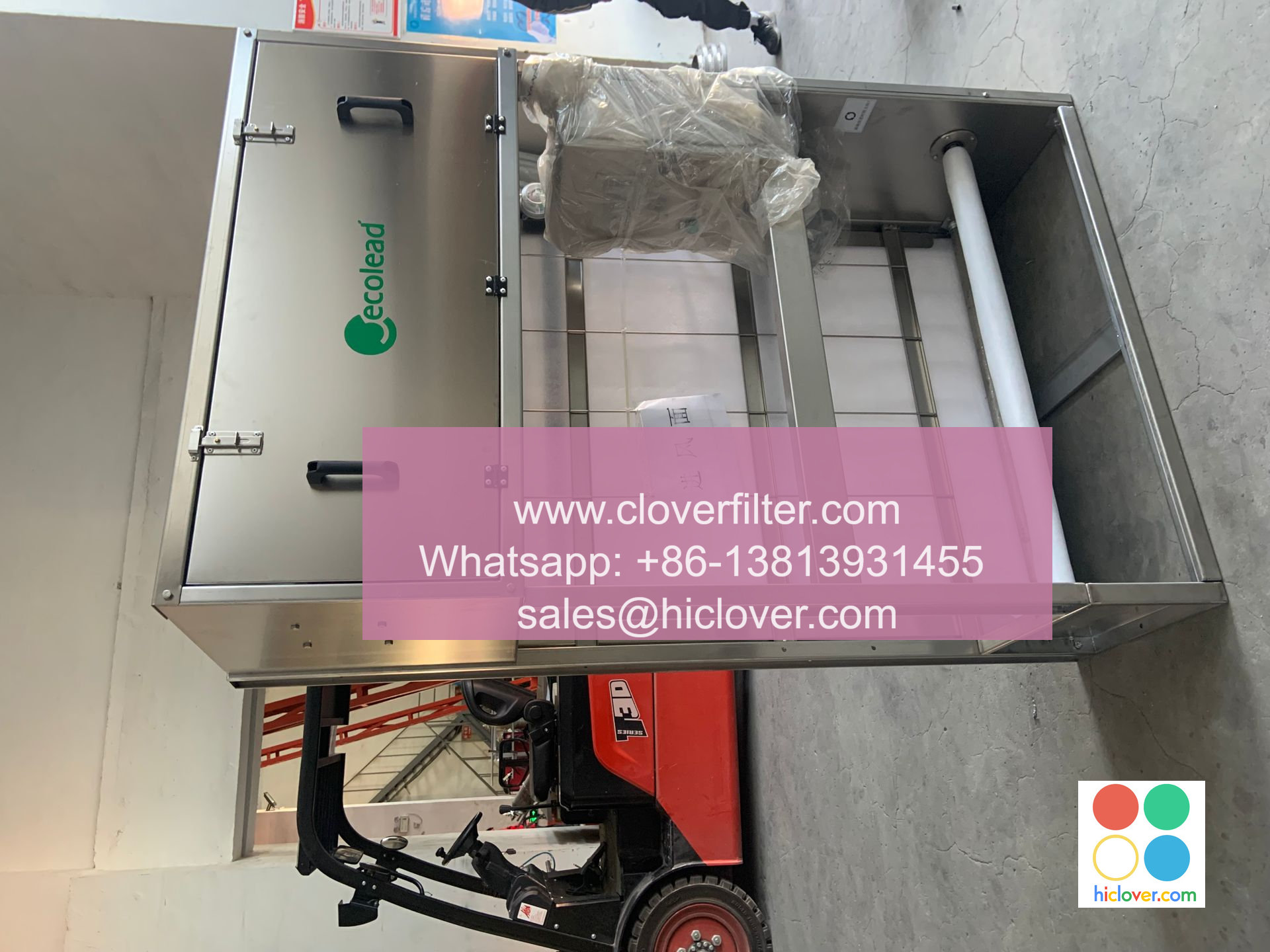
The increasing concern about air pollution and its detrimental effects on the environment has led to a growing demand for advanced air filtration systems. These systems are designed to remove particulate matter, gases, and volatile organic compounds (VOCs) from the air, improving indoor air quality (IAQ) and reducing the negative impacts on the environment. In this article, we will explore the environmental benefits of advanced air filters and their various application areas.
Reduction of Airborne Pollutants
Advanced air filters are equipped with high-efficiency particulate air (HEPA) technology, which can capture 99.97% of particles as small as 0.3 microns. This includes pollen, dust, smoke, and other airborne pollutants that can exacerbate respiratory problems and contribute to climate change. By removing these pollutants from the air, advanced air filters can significantly improve IAQ and reduce the environmental impact of air pollution.
Energy Efficiency and Cost Savings
Advanced air filters are not only effective at removing pollutants but also energy-efficient. They are designed to work in conjunction with heating, ventilation, and air conditioning (HVAC) systems, reducing the energy consumption and cost associated with air filtration. By using advanced air filters, individuals and organizations can reduce their carbon footprint and lower their energy bills, making them a cost-effective and environmentally friendly solution.
Industrial and Commercial Applications
Advanced air filters have a wide range of industrial and commercial applications, including:
* Manufacturing facilities: Advanced air filters can remove hazardous chemicals and particulate matter from the air, improving worker safety and reducing the risk of occupational diseases.
* Healthcare facilities: Advanced air filters can help prevent the spread of infectious diseases by removing bacteria, viruses, and other microorganisms from the air.
* Data centers: Advanced air filters can protect electronic equipment from dust and other airborne pollutants, reducing the risk of equipment failure and data loss.

Residential Applications
Advanced air filters are not just limited to industrial and commercial applications. They can also be used in residential settings to improve IAQ and reduce the risk of respiratory problems. Some common residential applications include:
* Whole-house filtration systems: These systems can remove pollutants and odors from the air, improving IAQ and reducing the risk of respiratory problems.
* Portable air purifiers: These devices can be used to remove pollutants and odors from the air in individual rooms or areas.
Conclusion
In conclusion, advanced air filters offer a wide range of environmental benefits, from reducing air pollution and improving IAQ to reducing energy consumption and cost. With their various application areas, including industrial, commercial, and residential settings, advanced air filters are an effective and environmentally friendly solution for improving air quality and reducing the negative impacts of air pollution on the environment. Prompt
