The Impact of Air Filter Design on System Energy Consumption
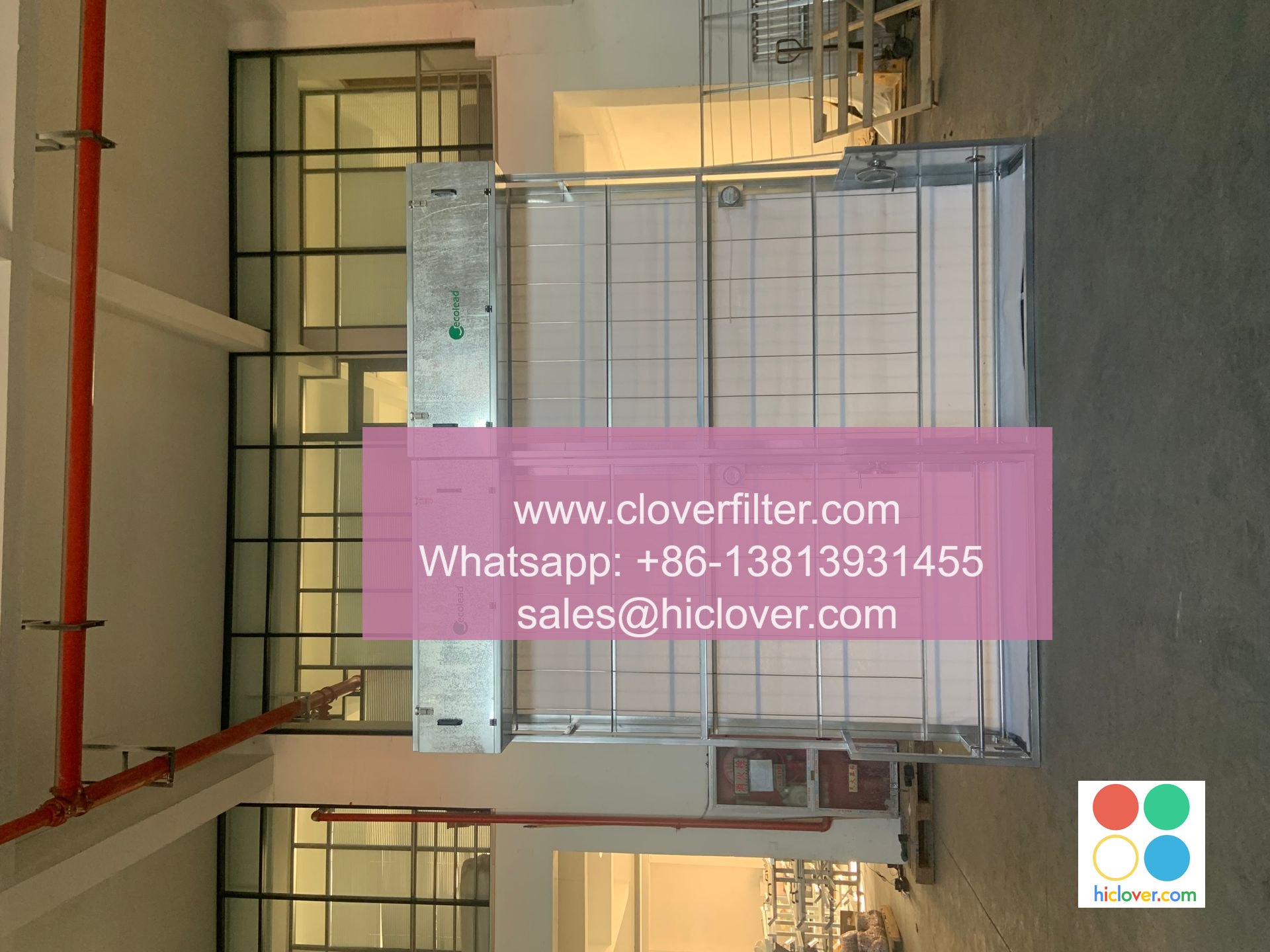
Air filter design plays a crucial role in determining the energy efficiency of various systems, including heating, ventilation, and air conditioning (HVAC) systems, industrial processes, and air purification systems. A well-designed air filter can significantly reduce system energy consumption, minimize pressure drop, and optimize airflow rates. In this article, we will explore the impact of air filter design on system energy consumption and highlight various application areas.
Importance of Air Filter Design
Air filters are used to remove particulate matter, gases, and odors from the air, improving indoor air quality and maintaining a healthy environment. However, air filters can also increase energy consumption if not designed efficiently. A poorly designed air filter can lead to increased pressure drop, which can result in higher fan energy and reduced system performance.
Key Factors Affecting Air Filter Design
Several key factors affect air filter design, including:
* Filtration efficiency: The ability of the filter to remove particulate matter and gases from the air.
* Pressure drop: The resistance to airflow caused by the filter.
* Airflow rate: The volume of air passing through the filter.
* Filter media: The material used to construct the filter.
Application Areas
Air filter design is crucial in various application areas, including:
* Residential HVAC systems: Air filters in residential HVAC systems can significantly impact energy consumption and indoor air quality.
* Industrial processes: Air filters in industrial processes, such as chemical processing and pharmaceutical manufacturing, require specialized designs to meet specific filtration requirements.
* Air purification systems: Air filters in air purification systems, such as HEPA filters and activated carbon filters, are designed to remove particulate matter and gases from the air.
* Automotive systems: Air filters in automotive systems, such as engine air filters and cabin air filters, require specialized designs to meet specific filtration requirements.

Design Considerations
When designing air filters, several considerations must be taken into account, including:
* Filter size and shape: The size and shape of the filter can impact pressure drop and airflow rate.
* Filter media selection: The selection of filter media can impact filtration efficiency and pressure drop.
* Gasket design: The design of the gasket can impact air leakage and filter performance.
Conclusion
In conclusion, air filter design plays a critical role in determining the energy efficiency of various systems. A well-designed air filter can significantly reduce system energy consumption, minimize pressure drop, and optimize airflow rates. By considering key factors, such as filtration efficiency, pressure drop, and airflow rate, and selecting the appropriate filter media and gasket design, air filter designers can create efficient and effective air filters for various application areas, including residential HVAC systems, industrial processes, air purification systems, and automotive systems. It seems like you’re ready to start a conversation or need assistance with something, but you haven’t specified a topic or question yet. How can I assist you today?
