Air Quality and Health Concerns: A Guide to Air Filter Certifications
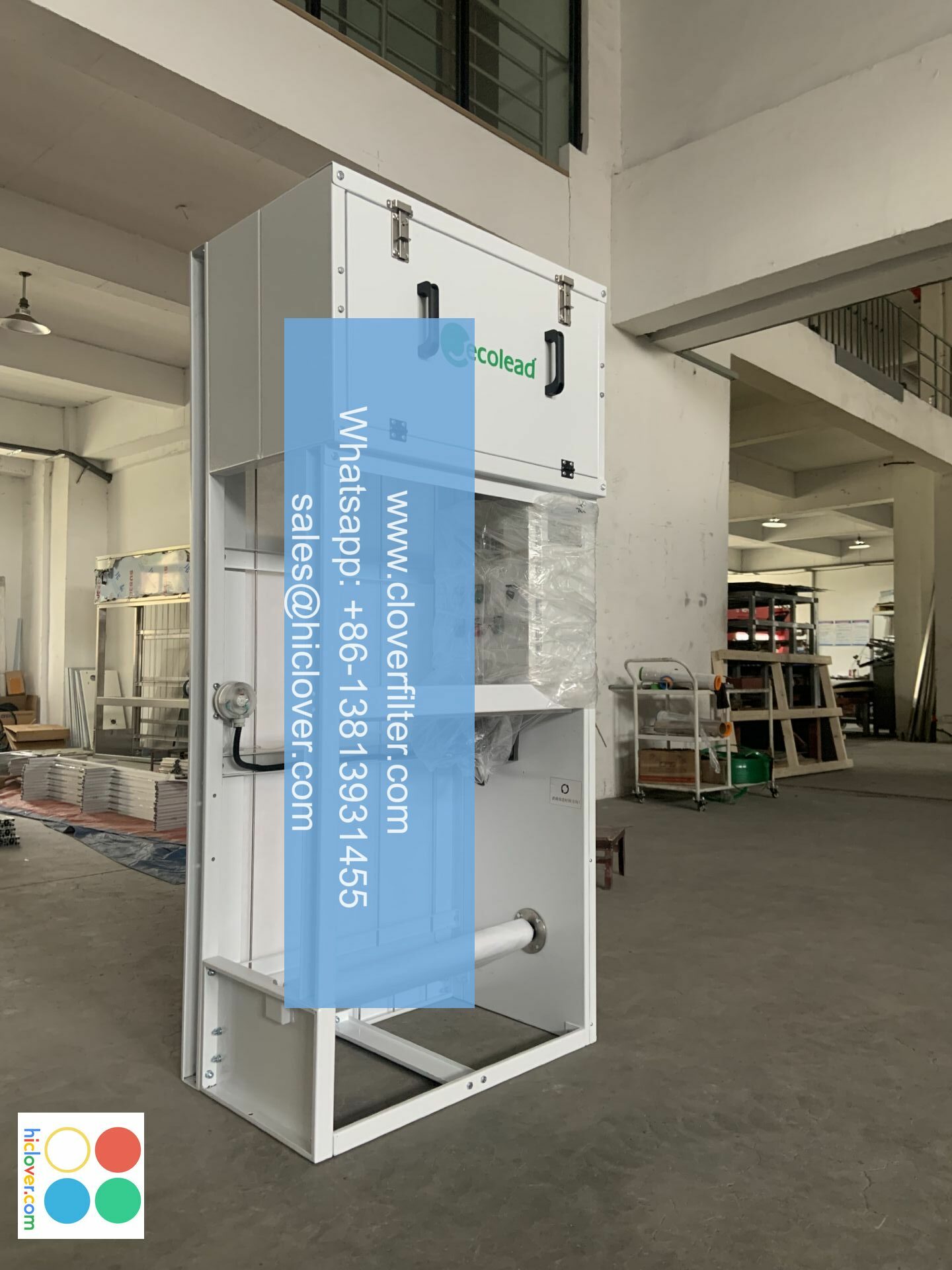
Air pollution is a growing concern worldwide, with the World Health Organization (WHO) estimating that 9 out of 10 people breathe polluted air. Poor indoor air quality can exacerbate respiratory issues like asthma, COPD, and other cardiovascular diseases. To mitigate these risks, using high-efficiency air purifiers with certified air filters is crucial. In this article, we will delve into the world of air filter certifications, exploring their significance, and highlighting various application areas where they are essential.
Understanding Air Filter Certifications
Air filter certifications are designed to ensure that air purification systems meet specific standards for capturing particulate matter (PM), gases, and volatile organic compounds (VOCs). The most common certifications include:
* MERV (Minimum Efficiency Reporting Value) ratings, which range from 1 to 20, indicating a filter’s ability to capture particles between 0.3 and 10 microns.
* HEPA (High Efficiency Particulate Air) filters, which must capture at least 99.97% of particles as small as 0.3 microns.
* UL (Underwriters Laboratories) certifications, which verify a filter’s safety and performance.
* ASHRAE (American Society of Heating, Refrigerating, and Air-Conditioning Engineers) standards, which provide guidelines for air filtration systems in various application areas.
Application Areas for Air Filter Certifications
Air filter certifications are essential in various industries and settings, including:
* Healthcare facilities, where airborne pathogens and infection control are critical concerns.
* Commercial buildings, where indoor air quality can impact occupant health and productivity.
* Industrial settings, where hazardous materials and processes require specialized air filtration systems.
* Residential homes, where allergies and respiratory issues can be alleviated with proper air purification.
* Transportation systems, including aircraft, automobiles, and public transportation, where air quality can impact passenger health.
Key Considerations for Selecting Air Filters
When choosing air filters with certifications, consider the following factors:
* Filter efficiency: Look for filters with high MERV ratings or HEPA certification.
* Filter type: Choose filters designed for specific application areas, such as activated carbon filters for gas and VOC removal.
* Maintenance costs: Consider the cost of replacing filters and the potential impact on energy efficiency.
* Compatibility: Ensure the filter is compatible with your existing air purification system or HVAC equipment.

Conclusion
In conclusion, air filter certifications play a vital role in ensuring indoor air quality and mitigating health concerns. By understanding the various certifications and their application areas, individuals and organizations can make informed decisions when selecting air filters for their specific needs. Remember to consider key factors such as filter efficiency, filter type, maintenance costs, and compatibility to ensure optimal air purification and health benefits. Prompt
