Specializing in High-Purity Air Filtration for Medical Applications and Terms
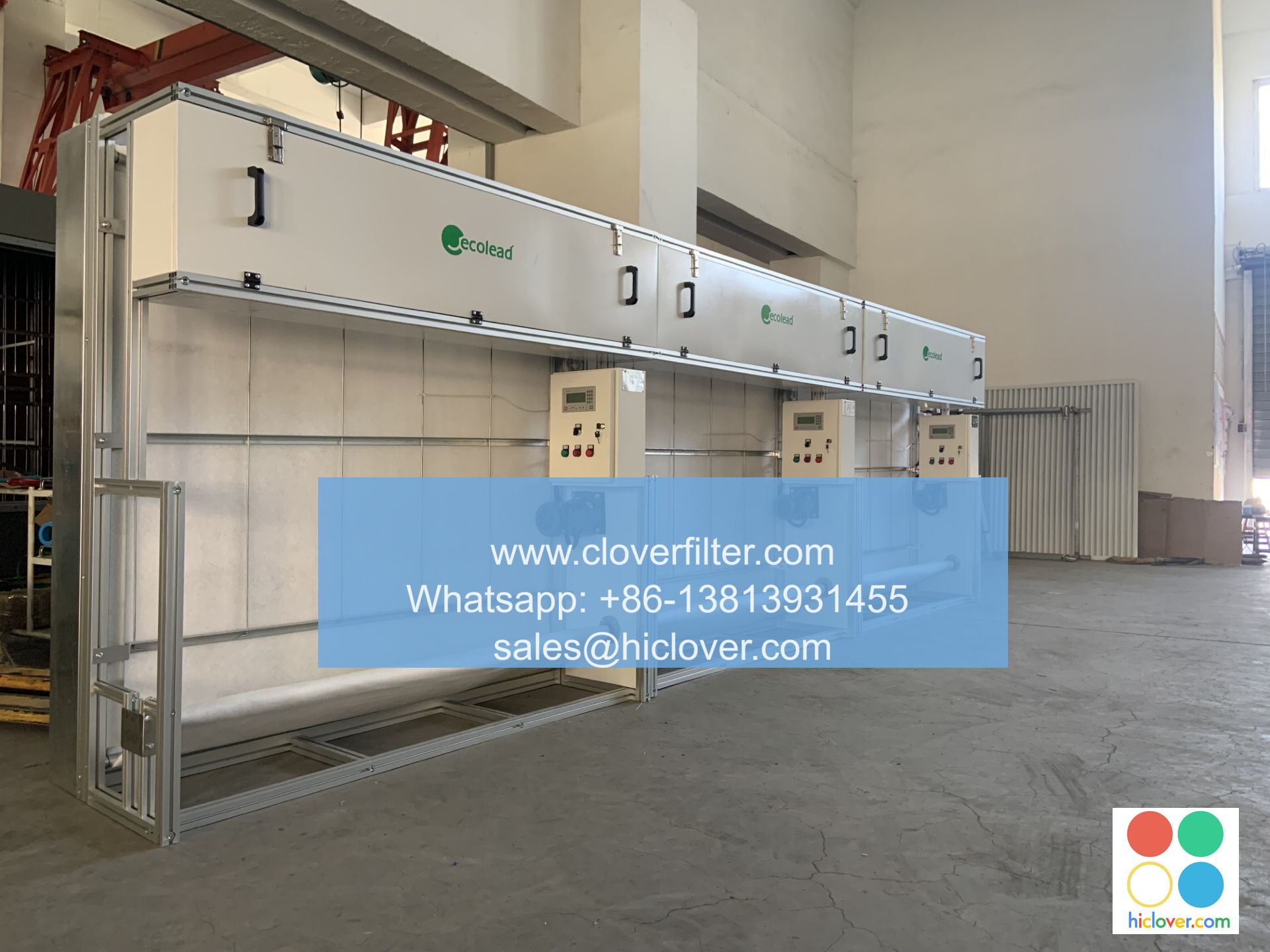
The medical industry requires the highest standards of air quality to ensure patient health and safety. High-purity air filtration systems play a critical role in removing airborne contaminants, bacteria, and viruses from the air, creating a sterile environment for medical procedures, patient care, and research. In this article, we will delve into the world of high-purity air filtration for medical applications, exploring the key terms, technologies, and application areas.
Key Terms and Technologies
High-purity air filtration for medical applications involves several key terms and technologies, including:
* HEPA (High Efficiency Particulate Air) filters, which capture 99.97% of particles as small as 0.3 microns
* ULPA (Ultra Low Penetration Air) filters, which capture 99.999% of particles as small as 0.12 microns
* Activated carbon filters, which remove gases, odors, and volatile organic compounds (VOCs)
* Prefilters, which capture larger particles and extend the life of HEPA and ULPA filters
* Air purification systems, which integrate multiple filtration technologies to achieve high-purity air
Application Areas
High-purity air filtration systems are used in various medical application areas, including:
* Operating Rooms: to create a sterile environment for surgical procedures and minimize the risk of infection
* ICUs and Patient Rooms: to provide a safe and healthy environment for patients with compromised immune systems
* Pharmaceutical and Biotechnology Manufacturing: to ensure the quality and purity of pharmaceutical products and biological agents
* Medical Research Laboratories: to maintain a contamination-free environment for sensitive research and experiments
* Dental and Veterinary Clinics: to prevent the spread of airborne diseases and maintain a clean environment for patients and staff
Benefits and Importance
High-purity air filtration systems offer numerous benefits and are essential for medical applications, including:
* Infection Control: preventing the spread of airborne diseases and reducing the risk of hospital-acquired infections (HAIs)
* Patient Safety: creating a safe and healthy environment for patients, particularly those with compromised immune systems
* Product Quality: ensuring the quality and purity of pharmaceutical products and biological agents
* Regulatory Compliance: meeting regulatory requirements and standards for air quality in medical facilities
* Cost Savings: reducing the risk of costly lawsuits, settlements, and reputational damage associated with airborne infections and contamination

Challenges and Future Directions
Despite the importance of high-purity air filtration in medical applications, several challenges remain, including:
* Technological Advancements: developing more efficient, effective, and sustainable air filtration technologies
* Regulatory Frameworks: navigating complex regulatory frameworks and standards for air quality in medical facilities
* Cost and Maintenance: balancing the cost of high-purity air filtration systems with the need for regular maintenance and replacement of filters
* Emerging Threats: addressing emerging airborne threats, such as antimicrobial-resistant bacteria and viruses
In conclusion, high-purity air filtration is a critical component of medical applications, ensuring the health, safety, and well-being of patients, staff, and products. By understanding the key terms, technologies, and application areas, we can appreciate the importance of high-purity air filtration in maintaining a sterile environment and preventing the spread of airborne diseases. As the medical industry continues to evolve, it is essential to address the challenges and future directions in high-purity air filtration, driving innovation and excellence in this field. It looks like you haven’t given me a prompt to work with. Please go ahead and give me a topic, question, or task, and I’ll be happy to help!
