The Importance of Air Filter Design in Semiconductor Manufacturing Facilities
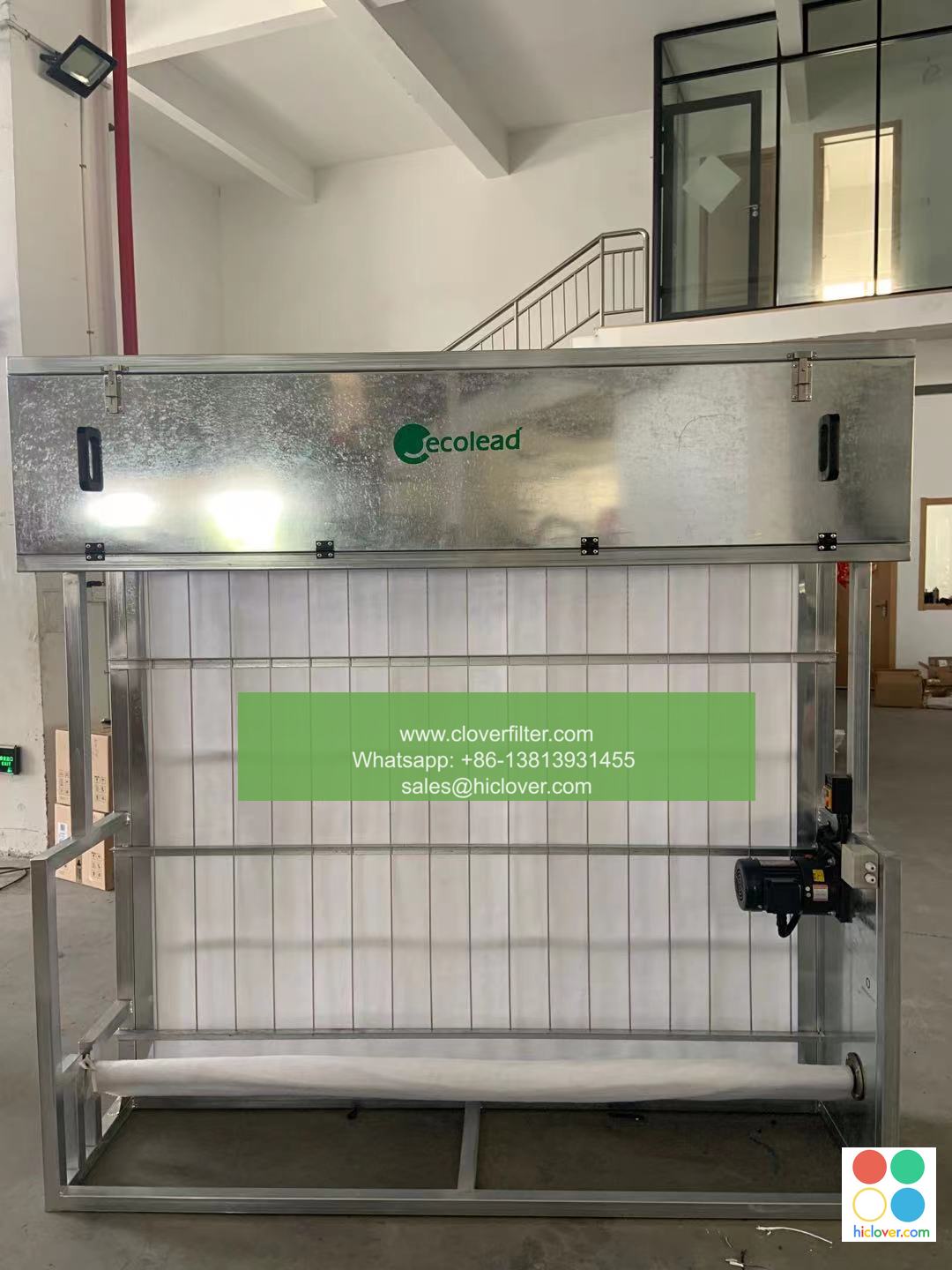
The semiconductor manufacturing process is a complex and highly sensitive operation that requires precise control over environmental conditions to produce high-quality microchips. One crucial aspect of this process is the design of air filters, which play a vital role in maintaining a cleanroom environment and preventing contamination. In this article, we will discuss the importance of air filter design in semiconductor manufacturing facilities and highlight various application areas where high-efficiency air filtration systems are essential.
Introduction to Semiconductor Manufacturing

Semiconductor manufacturing involves the production of microchips, which are used in a wide range of electronic devices, from smartphones to computers and automotive systems. The manufacturing process involves multiple stages, including wafers production, lithography, etching, and assembly and packaging. Each stage requires a highly controlled environment to prevent contamination and ensure the quality of the final product.
The Role of Air Filters in Semiconductor Manufacturing
Air filters are a critical component in maintaining a cleanroom environment in semiconductor manufacturing facilities. High-efficiency particulate air (HEPA) filters and ultra-low penetration air (ULPA) filters are commonly used to remove airborne contaminants, such as dust, particles, and microorganisms, from the air. These filters are designed to capture particles as small as 0.1 microns, ensuring that the air in the cleanroom is extremely pure.
Application Areas for Air Filters in Semiconductor Manufacturing
Air filters are used in various application areas in semiconductor manufacturing, including:
- Wafer production**: Air filters are used to maintain a clean environment during wafer production, where even small particles can contaminate the wafers and affect their quality.
- Lithography**: Air filters are used to prevent contamination during the lithography process, where tiny particles can affect the pattern transfer process and reduce the yield of good dies.
- Etching and deposition**: Air filters are used to maintain a clean environment during etching and deposition processes, where particles can contaminate the wafers and affect the uniformity of the films.
- Assembly and packaging**: Air filters are used to maintain a clean environment during assembly and packaging, where particles can contaminate the dies and affect the reliability of the final product.
Key Considerations for Air Filter Design in Semiconductor Manufacturing
When designing air filters for semiconductor manufacturing facilities, several key considerations must be taken into account, including:
- Filter efficiency**: The filter must be able to capture particles as small as 0.1 microns to ensure the air in the cleanroom is extremely pure.
- Filter lifespan**: The filter must be designed to last for a long time, minimizing the need for frequent replacements and reducing the risk of contamination.
- Pressure drop**: The filter must be designed to minimize pressure drop, which can affect the airflow in the cleanroom and increase energy consumption.
- Compatibility**: The filter must be compatible with the cleanroom environment and not release any contaminants or particles that can affect the manufacturing process.
Advanced Air Filtration Technologies for Semiconductor Manufacturing
Recent advances in air filtration technology have led to the development of advanced air filtration systems that offer improved efficiency, longer lifespan, and reduced pressure drop. These systems include:
- Nano-fiber filters: These filters use nano-fibers to capture particles as small as 0.01 microns, offering improved efficiency and longer lifespan.
- Electrostatic filters: These filters use electrostatic charges to capture particles, offering improved efficiency and reduced pressure drop.
- Photocatalytic filters: These filters use photocatalytic oxidation to capture and break down particles, offering improved efficiency and reduced pressure drop.
Conclusion
In conclusion, the design of air filters is a critical aspect of semiconductor manufacturing facilities, where a cleanroom environment is essential to producing high-quality microchips. High-efficiency air filtration systems are used in various application areas, including wafer production, lithography, etching and deposition, and assembly and packaging. By considering key factors such as filter efficiency, filter lifespan, pressure drop, and compatibility, and leveraging advanced air filtration technologies, semiconductor manufacturers can maintain a cleanroom environment and ensure the quality of their final products.
It seems like you haven’t provided a specific question or topic for me to address. Could you please provide more details or clarify what you would like to discuss?
