Air Filter Production: Comparing HEPA and Activated Carbon Filters
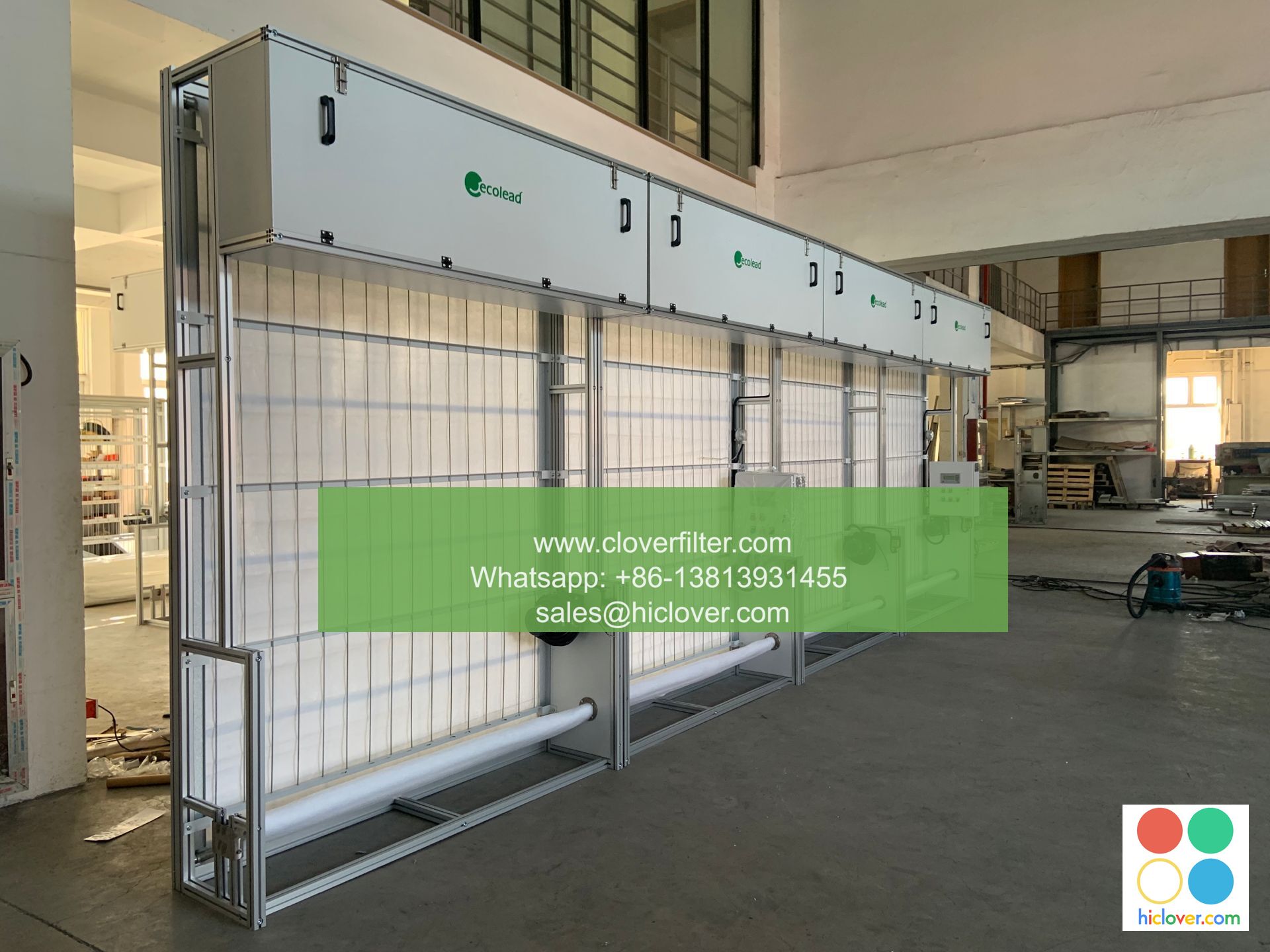
The air filter production industry has witnessed significant growth in recent years, driven by increasing concerns about indoor air quality and the need for effective air purification systems. Two of the most popular types of air filters used in various applications are HEPA (High Efficiency Particulate Air) filters and Activated Carbon filters. In this article, we will compare and contrast these two types of filters, highlighting their differences, advantages, and application areas.
HEPA Filters: The Gold Standard for Particulate Removal
HEPA filters are designed to capture 99.97% of particles as small as 0.3 microns, making them an effective solution for removing dust, pollen, mold, and other airborne pollutants. These filters are widely used in industrial air purification systems, hospital air filtration systems, and commercial HVAC systems. HEPA filters are also used in residential air purifiers and vacuum cleaners to improve indoor air quality and reduce allergy symptoms.
Activated Carbon Filters: The Odor and Gas Removal Specialists
Activated Carbon filters, on the other hand, are designed to capture gases, odors, and chemicals from the air. These filters are made from activated carbon, a highly porous material that attracts and traps gas molecules. Activated Carbon filters are commonly used in air purification systems for homes, offices, and industrial facilities to remove volatile organic compounds (VOCs), smoke, and other airborne pollutants. They are also used in water filtration systems to remove impurities and improve water taste and odor.
Comparison of HEPA and Activated Carbon Filters
| Filter Type | Particulate Removal | Gas and Odor Removal | Application Areas |
| — | — | — | — |
| HEPA | Excellent (99.97% @ 0.3 microns) | Poor | Industrial, hospital, commercial, residential air purification systems |
| Activated Carbon | Poor | Excellent | Air purification systems, water filtration systems, industrial facilities, offices, homes |

Application Areas for HEPA and Activated Carbon Filters
Both HEPA and Activated Carbon filters have a wide range of applications, including:
* Industrial air purification systems: HEPA filters are used to remove particles and contaminants from the air in industrial facilities, while Activated Carbon filters are used to remove gases and odors.
* Hospital air filtration systems: HEPA filters are used to remove airborne pathogens and contaminants from hospital air, while Activated Carbon filters are used to remove odors and gases from hospital rooms and operating theaters.
* Commercial HVAC systems: HEPA filters are used to improve indoor air quality in commercial buildings, while Activated Carbon filters are used to remove odors and gases from office air.
* Residential air purifiers: Both HEPA and Activated Carbon filters are used in residential air purifiers to improve indoor air quality and reduce allergy symptoms.
Conclusion
In conclusion, HEPA and Activated Carbon filters are two different types of air filters with distinct advantages and application areas. While HEPA filters excel at removing particulate matter, Activated Carbon filters are specialized in removing gases and odors. By understanding the differences between these two types of filters, manufacturers and consumers can make informed decisions about which filter to use in various applications, ultimately improving indoor air quality and promoting a healthier environment. The air filter production industry is expected to continue growing as concern for indoor air quality increases, driving innovation and development of new and improved air filtration technologies. It looks like you didn’t include a prompt. Please go ahead and provide one, and I’ll be happy to help! What’s on your mind?
