Food Safety and Quality Control: The Importance of Clean Air
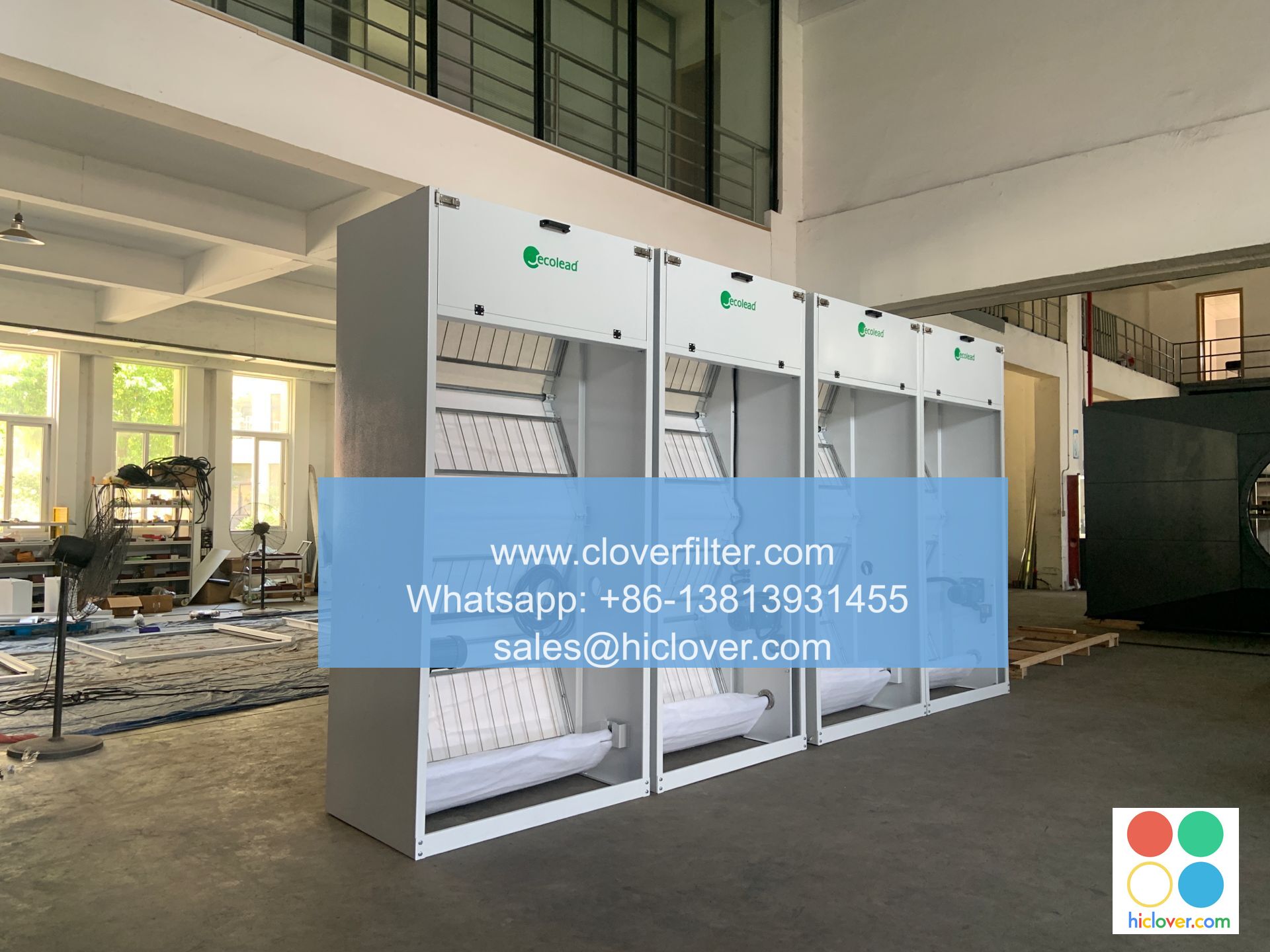
Ensuring the safety and quality of food products is a paramount concern for the food industry. One crucial aspect that is often overlooked is the importance of clean air in food processing and storage facilities. Air quality control is essential to prevent contamination and maintain the hygienic condition of food products. In this article, we will explore the significance of clean air in food safety and quality control, highlighting various application areas where it plays a critical role.
Why is Clean Air Important in Food Safety?
Airborne contaminants, such as microorganisms, particulate matter, and volatile organic compounds (VOCs), can compromise the quality and safety of food products. These contaminants can be introduced through various means, including ventilation systems, personnel traffic, and equipment operation. Clean air is essential to prevent the growth of microbial contaminants, such as bacteria, y east, and mold, which can cause spoilage and foodborne illnesses.
Application Areas for Clean Air in Food Safety
Clean air is critical in various food processing areas, including:
* Baking and confectionery: Clean air is essential to prevent the introduction of microorganisms and particulate matter into food products, ensuring the quality and texture of baked goods and confectionery products.
* Dairy and beverage processing: Clean air is necessary to prevent contamination of dairy and beverage products, ensuring the quality and safety of these products.
* Meat and poultry processing: Clean air is critical to prevent the introduction of microorganisms and particulate matter into meat and poultry products, ensuring the quality and safety of these products.
* Food storage and packaging: Clean air is essential to maintain the quality and safety of food products during storage and packaging, preventing contamination and spoilage.
Quality Control Measures for Clean Air
To ensure clean air in food processing and storage facilities, various quality control measures can be implemented, including:
* Air filtration systems: Installing HEPA filters or other air filtration systems to remove particulate matter and microorganisms from the air.
* Ventilation systems: Implementing ventilation systems that provide adequate air exchange rates and airflow patterns to prevent the accumulation of contaminants.
* Personnel hygiene and training: Ensuring that personnel follow proper hygiene practices and are trained on the importance of clean air in food safety.
* Equipment maintenance and sanitation: Regularly maintaining and sanitizing equipment to prevent the introduction of contaminants into food products.

Benefits of Clean Air in Food Safety and Quality Control
The benefits of clean air in food safety and quality control are numerous, including:
* Reduced risk of contamination: Clean air reduces the risk of contamination, ensuring the quality and safety of food products.
* Improved product shelf life: Clean air helps to maintain the quality and freshness of food products, extending their shelf life.
* Enhanced customer satisfaction: Clean air ensures that food products meet customer expectations for quality and safety, enhancing customer satisfaction.
* Regulatory compliance: Clean air helps food manufacturers comply with regulatory requirements, such as those related to food safety and quality control.
In conclusion, clean air is a critical aspect of food safety and quality control. By implementing quality control measures and maintaining clean air in food processing and storage facilities, food manufacturers can ensure the quality and safety of their products, reducing the risk of contamination and maintaining customer satisfaction. As the food industry continues to evolve, the importance of clean air will only continue to grow, highlighting the need for air quality control and hygienic practices in all application areas.
