Air Filter Automation: A Guide
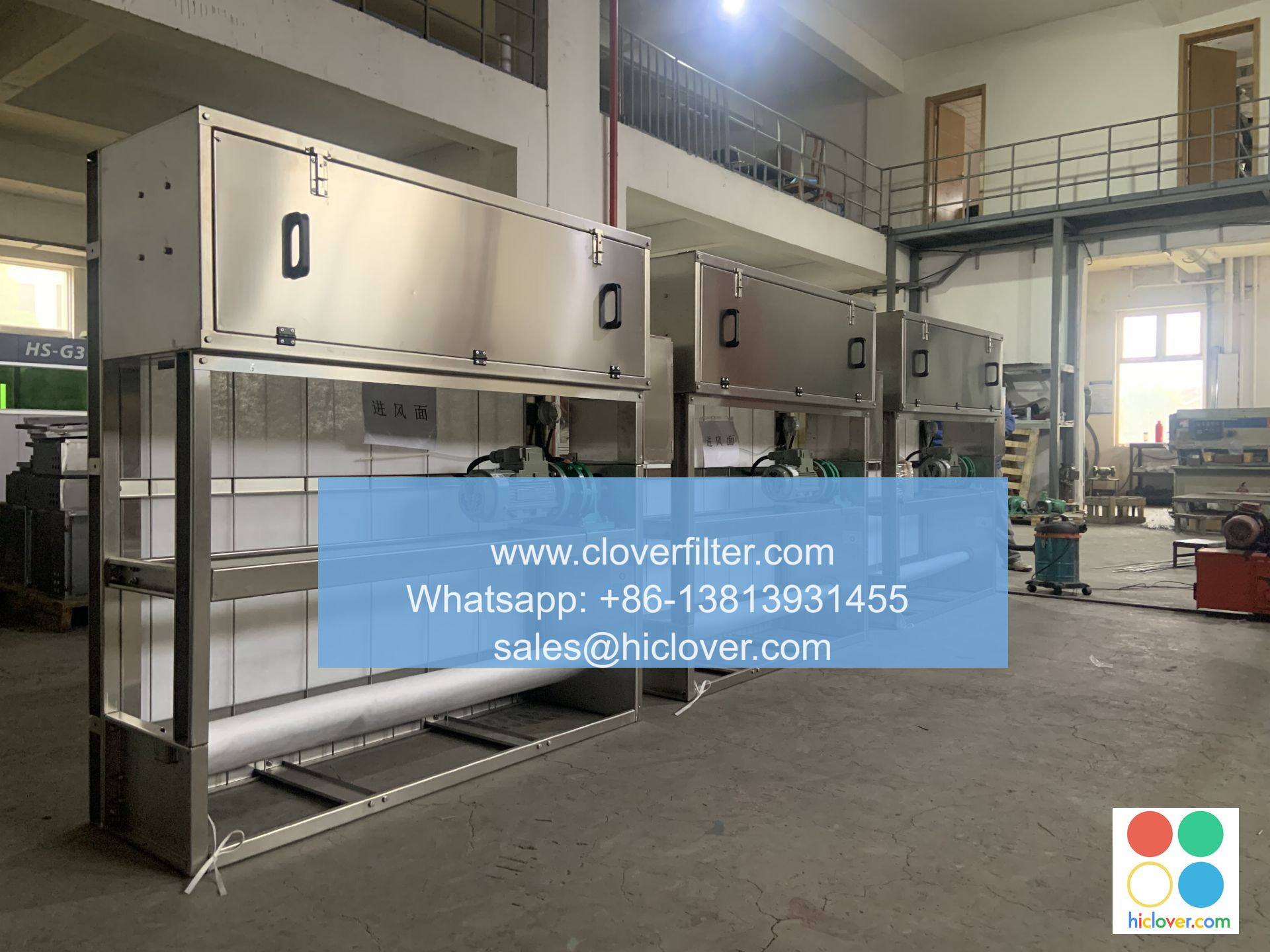
Air filter automation is a cutting-edge technology that has revolutionized the way we purify the air in our homes, offices, and industries. By leveraging advanced IoT sensors, machine learning algorithms, and smart home devices, air filter automation systems can detect and respond to changes in indoor air quality, optimizing the filtration process for maximum efficiency and effectiveness.
Introduction to Air Filter Automation
Traditional air filtration systems rely on manual intervention to monitor and replace filters, which can lead to reduced system performance, increased energy consumption, and decreased indoor air quality. Air filter automation addresses these issues by integrating real-time monitoring, predictive maintenance, and automated control into a single, user-friendly system. This enables building owners and facility managers to optimize their air filtration systems, reduce costs, and create healthier, more comfortable indoor environments.
Key Components of Air Filter Automation
A typical air filter automation system consists of several key components, including:
* IoT sensors that monitor temperature, humidity, particulate matter, and other environmental factors
* Machine learning algorithms that analyze sensor data and predict filter performance
* Smart home devices that integrate with building management systems (BMS) and HVAC systems
* Automated control systems that adjust filter operation and replacement schedules based on real-time data
Application Areas of Air Filter Automation
Air filter automation has a wide range of applications across various industries, including:
* Commercial buildings: offices, retail spaces, hotels, and restaurants
* Industrial facilities: manufacturing plants, warehouses, and data centers
* Healthcare facilities: hospitals, clinics, and nursing homes
* Residential buildings: single-family homes, apartments, and condominiums
* Transportation systems: airports, train stations, and bus terminals

Benefits of Air Filter Automation
The benefits of air filter automation are numerous and significant, including:
* Improved indoor air quality: by optimizing filter performance and reducing pollutant levels
* Increased energy efficiency: by minimizing energy waste and reducing HVAC system loads
* Extended filter life: by predicting and preventing filter degradation
* Reduced maintenance costs: by automating filter replacement and minimizing manual intervention
* Enhanced occupant comfort: by creating healthier, more comfortable indoor environments
Future of Air Filter Automation
As air filter automation technology continues to evolve, we can expect to see even more innovative solutions and applications emerge. Some potential trends and developments include:
* Integration with emerging technologies: such as artificial intelligence, blockchain, and 5G networks
* Increased focus on sustainability: by developing more energy-efficient and environmentally friendly air filtration systems
* Expansion into new markets: such as smart cities and industrial IoT applications
In conclusion, air filter automation is a powerful technology that has the potential to transform the way we manage indoor air quality. By leveraging advanced IoT sensors, machine learning algorithms, and smart home devices, air filter automation systems can optimize filter performance, reduce costs, and create healthier, more comfortable indoor environments. As this technology continues to evolve, we can expect to see even more innovative solutions and applications emerge, driving growth and adoption across various industries and markets. You haven’t asked a question or provided any context. What would you like to talk about or ask? I’ll do my best to provide a helpful and direct response.
