The Importance of Air Filtration in Edmonton’s Data Centers
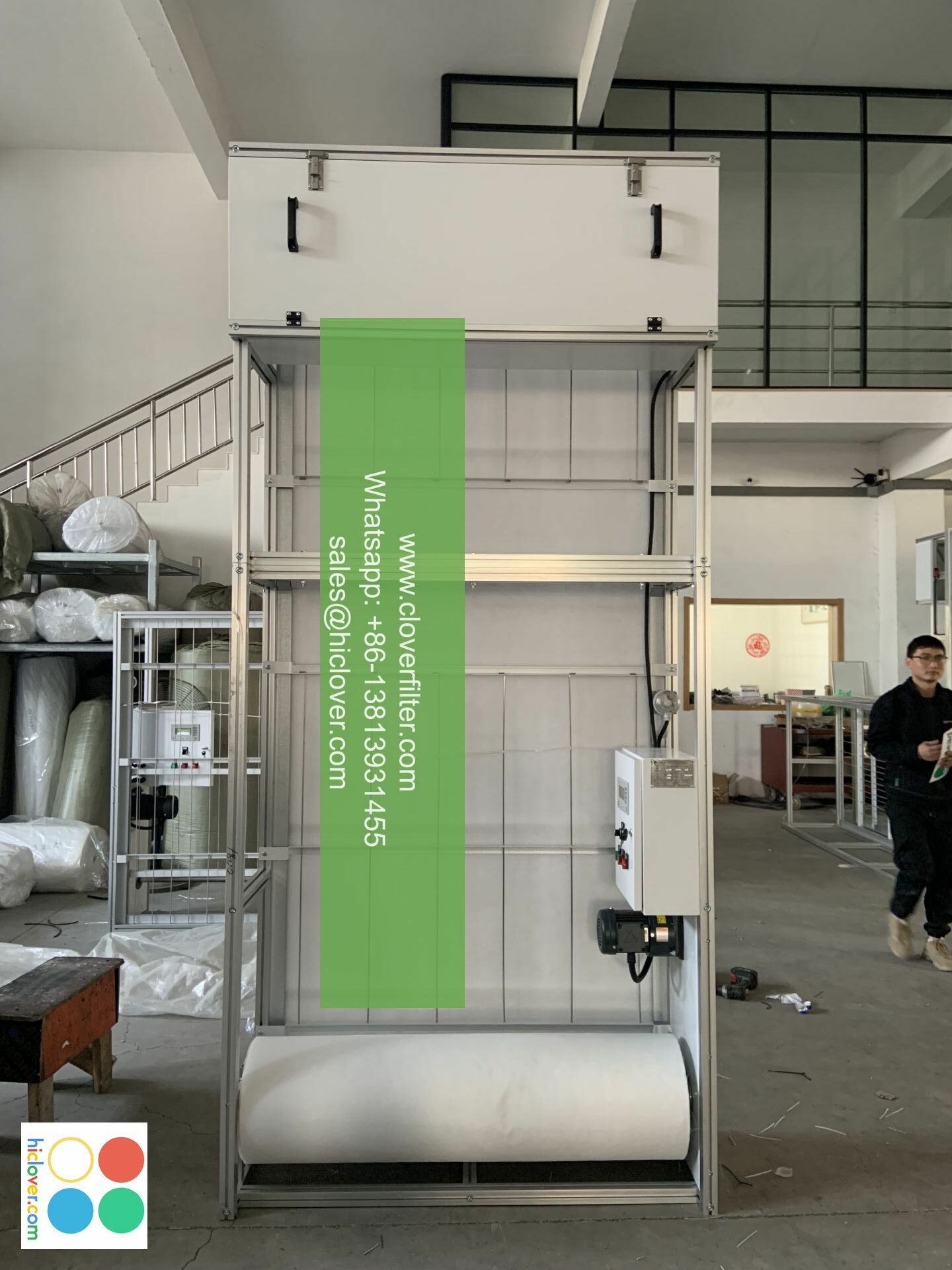
Edmonton’s data centers are critical infrastructure that support the city’s thriving tech industry, providing a foundation for businesses to operate and communicate. However, these facilities are vulnerable to airborne contaminants that can compromise equipment performance, increase downtime, and lead to significant financial losses. Effective air filtration is essential to mitigate these risks and ensure the reliability and efficiency of data centers. In this article, we will discuss the importance of air filtration in Edmonton’s data centers and explore the benefits of implementing a robust air filtration system.
Data centers are inherently prone to airborne contamination due to the high density of electronic equipment, which generates heat and can attract dust and other particles. Additionally, the intake of outdoor air can bring in pollutants, such as particulate matter, gases, and moisture, which can damage equipment and disrupt operations. If left unaddressed, these contaminants can lead to a range of problems, including overheating, equipment failure, and corrosion. Moreover, data centers are often located in areas with high levels of air pollution, such as near highways or industrial sites, which can further exacerbate the problem.

Air filtration systems play a critical role in removing airborne contaminants and maintaining a clean and stable environment within data centers. These systems use filters to capture particles, gases, and other pollutants, preventing them from entering the facility or coming into contact with sensitive equipment. By removing contaminants, air filtration systems help to prevent equipment damage, reduce downtime, and minimize the risk of costly repairs. Furthermore, effective air filtration can also improve the overall energy efficiency of data centers by reducing the need for cooling and heating, which can account for a significant portion of a facility’s energy consumption.
There are several types of air filtration systems available, each with its own strengths and weaknesses. Some common types of filters used in data centers include HEPA (High Efficiency Particulate Air) filters, activated carbon filters, and gas-phase filters. HEPA filters are highly effective at capturing particles as small as 0.3 microns, making them ideal for removing dust, pollen, and other particulate matter. Activated carbon filters, on the other hand, are designed to remove gases and odors, while gas-phase filters are used to remove specific gases, such as sulfur dioxide and nitrogen dioxide.
In addition to the type of filter used, the air filtration system’s design and installation are also critical factors in ensuring effective air filtration. The system should be designed to provide a high level of airflow and filtration efficiency, while also being easy to maintain and repair. Regular maintenance, such as filter replacement and cleaning, is essential to ensure the system continues to operate at optimal levels. Moreover, data center operators should consider implementing a proactive maintenance schedule, which includes regular inspections and testing, to identify and address potential issues before they become major problems.
Edmonton’s data centers can benefit from implementing a robust air filtration system in several ways. Firstly, it can help to reduce downtime and equipment failure, which can result in significant financial losses. Secondly, effective air filtration can improve the overall energy efficiency of the facility, reducing energy consumption and costs. Finally, a well-designed air filtration system can also help to extend the lifespan of equipment, reducing the need for frequent repairs and replacements.

In conclusion, air filtration is a critical component of Edmonton’s data centers, providing a first line of defense against airborne contaminants that can compromise equipment performance and disrupt operations. By implementing a robust air filtration system, data center operators can reduce downtime, improve energy efficiency, and extend the lifespan of equipment. As the demand for data center services continues to grow, the importance of effective air filtration will only continue to increase, making it essential for data center operators to prioritize this critical aspect of their operations.
Frequently Asked Questions
Q: What are the most common types of airborne contaminants found in data centers?
A: The most common types of airborne contaminants found in data centers include dust, pollen, particulate matter, gases, and moisture.
Q: How often should air filters be replaced in a data center?
A: The frequency of air filter replacement depends on several factors, including the type of filter, airflow rates, and contamination levels. As a general rule, filters should be replaced every 1-3 years, or as recommended by the manufacturer.
Q: Can air filtration systems be customized to meet the specific needs of a data center?
A: Yes, air filtration systems can be customized to meet the specific needs of a data center, including the type and level of contamination, airflow rates, and equipment requirements.
Q: What are the benefits of implementing a proactive maintenance schedule for air filtration systems?
A: Implementing a proactive maintenance schedule can help to identify and address potential issues before they become major problems, reducing downtime and extending the lifespan of equipment.
