Automatic Roll Air Filters: A Crucial Component in London’s Pharmaceutical Cleanrooms
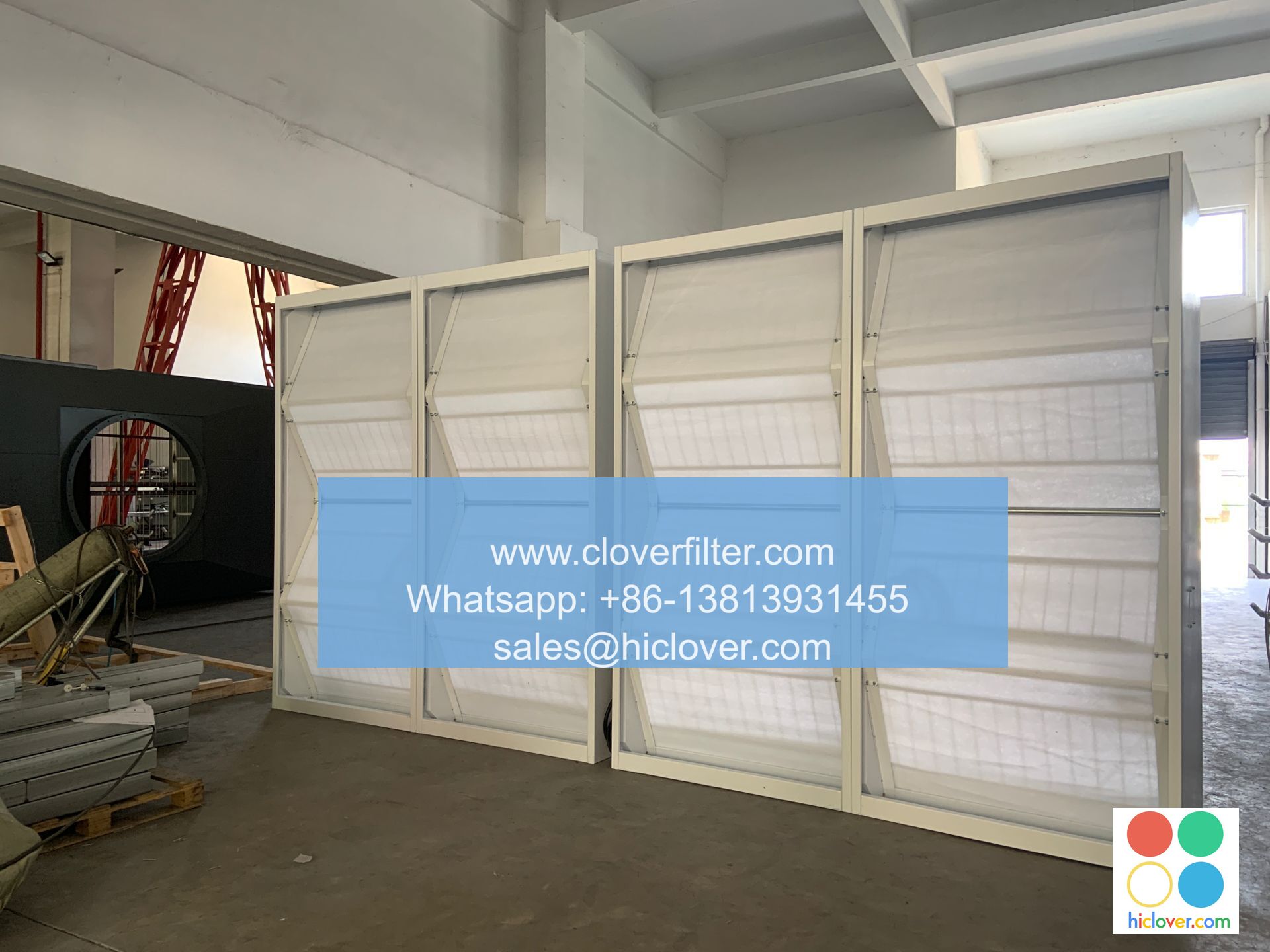
London’s pharmaceutical industry is renowned for its stringent quality control measures, and one of the crucial components in maintaining the cleanliness of their facilities is the automatic roll air filter. These filters play a vital role in preventing contamination and ensuring the production of high-quality medicines. In this article, we will delve into the world of automatic roll air filters, their importance in pharmaceutical cleanrooms, and their benefits.
Pharmaceutical cleanrooms are controlled environments that require precise temperature, humidity, and air quality conditions to prevent contamination. The air in these rooms must be free from particles, bacteria, and other microorganisms that could compromise the quality of the products being manufactured. This is where automatic roll air filters come into play. These filters are designed to capture airborne particles and contaminants, ensuring that the air in the cleanroom remains clean and pure.

Automatic roll air filters are highly efficient and can capture particles as small as 0.3 microns, including dust, pollen, and bacteria. They are also designed to minimize airflow resistance, ensuring that the air in the cleanroom remains at a consistent pressure. This is particularly important in pharmaceutical cleanrooms, where even the slightest change in air pressure can affect the quality of the products being manufactured.
The benefits of using automatic roll air filters in pharmaceutical cleanrooms are numerous. Firstly, they help to prevent contamination, which is a major concern in the pharmaceutical industry. Contamination can result in costly product recalls, damage to equipment, and even harm to consumers. By using automatic roll air filters, pharmaceutical manufacturers can minimize the risk of contamination and ensure that their products meet the highest quality standards.
Another benefit of automatic roll air filters is that they are highly efficient and require minimal maintenance. They are designed to be self-sustaining, with the filter media automatically advancing to a new, clean section as the old section becomes dirty. This eliminates the need for manual intervention, reducing the risk of human error and contamination. Additionally, automatic roll air filters are highly durable and can last for several years, making them a cost-effective solution for pharmaceutical manufacturers.
In addition to their technical benefits, automatic roll air filters also play a crucial role in ensuring compliance with regulatory requirements. The pharmaceutical industry is heavily regulated, and manufacturers must adhere to strict guidelines and standards to ensure the quality and safety of their products. Automatic roll air filters help pharmaceutical manufacturers to meet these requirements by providing a reliable and efficient means of controlling airborne contamination.
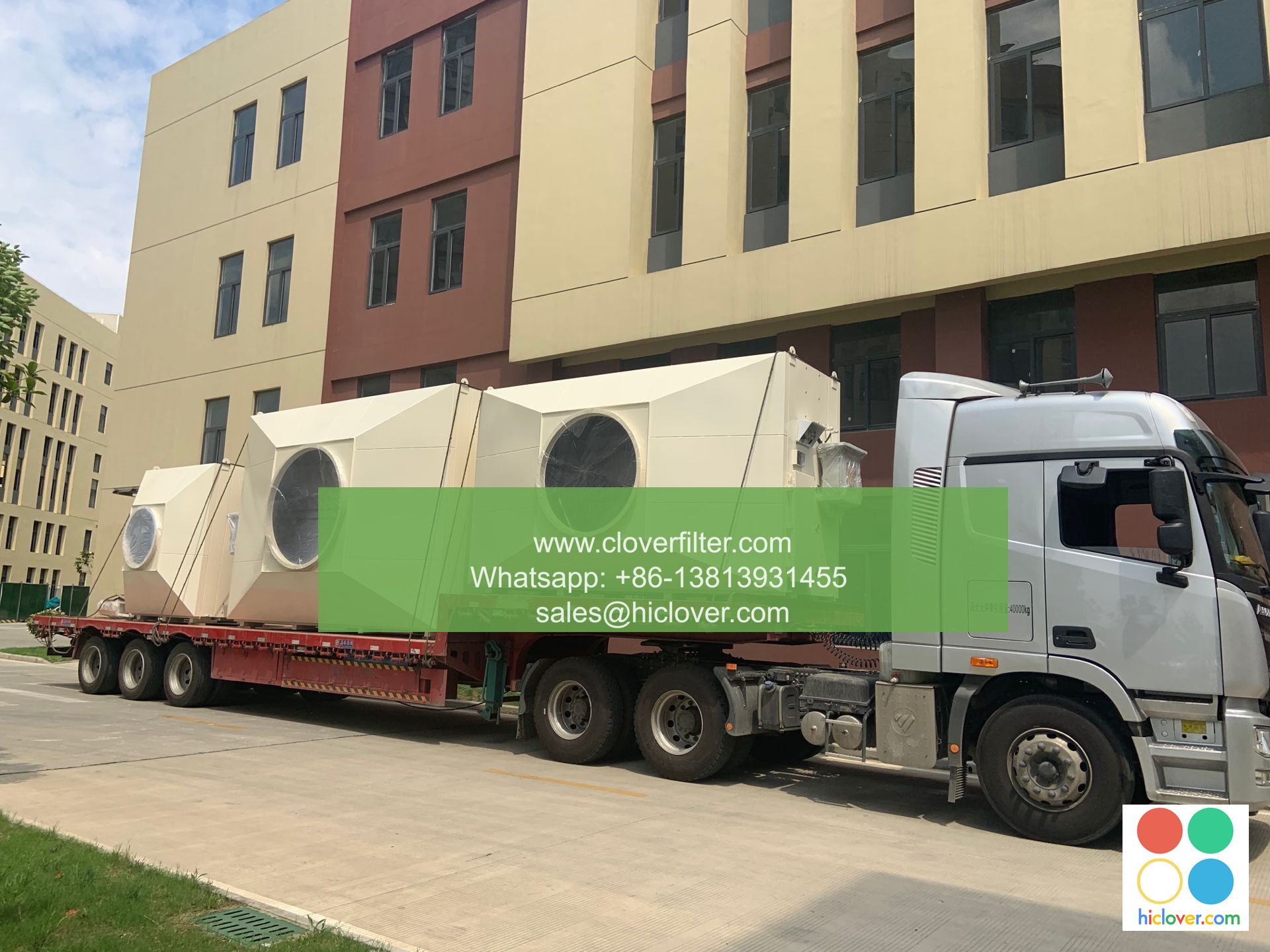
Furthermore, automatic roll air filters are also environmentally friendly. They are designed to minimize energy consumption and reduce waste, making them a sustainable solution for pharmaceutical manufacturers. By using automatic roll air filters, manufacturers can reduce their carbon footprint and contribute to a cleaner, healthier environment.
In conclusion, automatic roll air filters are a crucial component in London’s pharmaceutical cleanrooms. They play a vital role in preventing contamination, ensuring the production of high-quality medicines, and complying with regulatory requirements. Their benefits are numerous, and they are a cost-effective, efficient, and environmentally friendly solution for pharmaceutical manufacturers.
Conclusion
Automatic roll air filters are an essential component in pharmaceutical cleanrooms, and their importance cannot be overstated. By providing a reliable and efficient means of controlling airborne contamination, they help to ensure the quality and safety of pharmaceutical products. As the pharmaceutical industry continues to evolve, the importance of automatic roll air filters will only continue to grow. Whether you are a pharmaceutical manufacturer, a regulatory expert, or simply someone interested in the industry, it is clear that automatic roll air filters are a crucial component in the production of high-quality medicines.
FAQs
Q: What is an automatic roll air filter?
A: An automatic roll air filter is a type of air filter that is designed to capture airborne particles and contaminants in controlled environments such as pharmaceutical cleanrooms.
Q: How do automatic roll air filters work?
A: Automatic roll air filters work by capturing airborne particles and contaminants on a filter media, which is automatically advanced to a new, clean section as the old section becomes dirty.
Q: What are the benefits of using automatic roll air filters in pharmaceutical cleanrooms?
A: The benefits of using automatic roll air filters in pharmaceutical cleanrooms include preventing contamination, ensuring the production of high-quality medicines, complying with regulatory requirements, and reducing energy consumption and waste.
Q: Are automatic roll air filters environmentally friendly?
A: Yes, automatic roll air filters are environmentally friendly. They are designed to minimize energy consumption and reduce waste, making them a sustainable solution for pharmaceutical manufacturers.
Q: How often do automatic roll air filters need to be maintained?
A: Automatic roll air filters are designed to be self-sustaining and require minimal maintenance. They are highly durable and can last for several years, making them a cost-effective solution for pharmaceutical manufacturers.
