Air Filters for Restaurants and Commercial Kitchens: A Guide
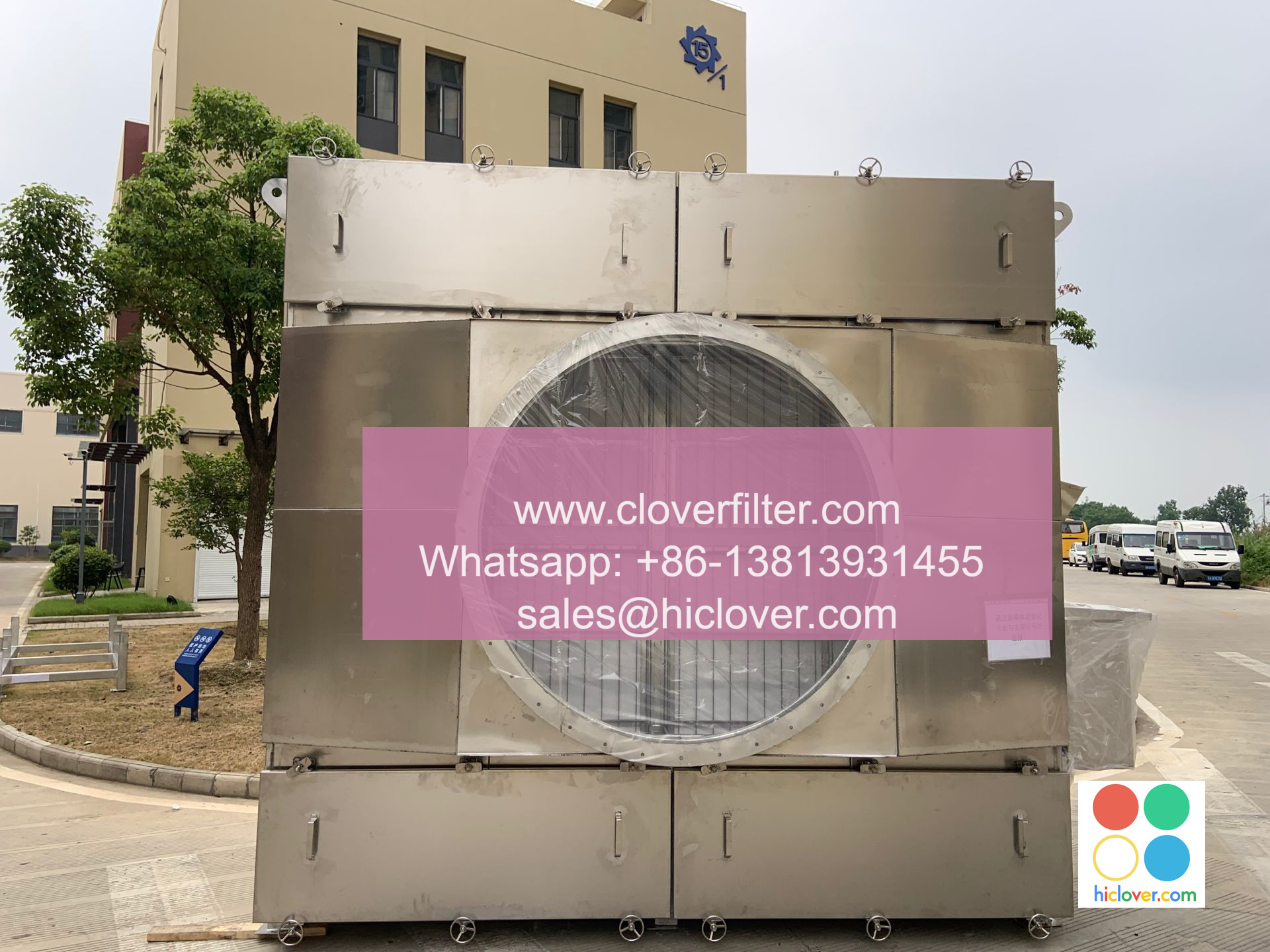
Air filtration systems are a crucial component of any restaurant or commercial kitchen, playing a vital role in maintaining a clean and healthy environment for both staff and customers. In this article, we will delve into the world of air filters for restaurants and commercial kitchens, exploring the different types, their applications, and the benefits they provide.
Importance of Air Filters in Restaurants and Commercial Kitchens
The air in restaurants and commercial kitchens can be filled with pollutants, including grease particles, odor-causing molecules, and microorganisms. If left unfiltered, these pollutants can lead to a range of problems, including indoor air pollution, fire hazards, and health risks for staff and customers. Effective air filtration systems can help mitigate these risks, ensuring a safer and more pleasant environment for everyone.
Types of Air Filters for Restaurants and Commercial Kitchens
There are several types of air filters available for restaurants and commercial kitchens, each designed to address specific needs and challenges. Some of the most common types include:
- HEPA (High Efficiency Particulate Air) filters: These filters are designed to capture 99.97% of particles as small as 0.3 microns, making them ideal for removing grease particles, dust, and microorganisms from the air.
- Activated carbon filters: These filters are designed to capture odor-causing molecules and volatile organic compounds (VOCs), helping to eliminate unpleasant smells and improve indoor air quality.
- Ultraviolet (UV) light filters: These filters use UV light to kill bacteria, viruses, and other microorganisms, providing an additional layer of protection against airborne pathogens.
- Commercial kitchen hoods: Installing air filters in commercial kitchen hoods can help remove grease particles and odor-causing molecules from the air, reducing the risk of fire hazards and indoor air pollution.
- Air conditioning and ventilation systems: Integrating air filters into air conditioning and ventilation systems can help improve indoor air quality and reduce the risk of airborne pathogens.
- Food preparation areas: Using air filters in food preparation areas can help remove microorganisms and odor-causing molecules from the air, reducing the risk of food contamination and foodborne illnesses.
- Improved indoor air quality: Air filters can help remove pollutants and odor-causing molecules from the air, creating a healthier and more pleasant environment for staff and customers.
- Reduced risk of fire hazards: By removing grease particles and other flammable materials from the air, air filters can help reduce the risk of fires and explosions.
- Increased customer satisfaction: By providing a clean and healthy environment, restaurants and commercial kitchens can increase customer satisfaction and loyalty.

Application Areas for Air Filters in Restaurants and Commercial Kitchens
Air filters can be applied in various areas of restaurants and commercial kitchens, including:

Benefits of Air Filters for Restaurants and Commercial Kitchens
The benefits of air filters for restaurants and commercial kitchens are numerous, including:
Conclusion
In conclusion, air filters are a crucial component of any restaurant or commercial kitchen, providing a range of benefits including improved indoor air quality, reduced risk of fire hazards, and increased customer satisfaction. By understanding the different types of air filters available and their applications, restaurants and commercial kitchens can make informed decisions about their air filtration needs, ensuring a safer and more pleasant environment for everyone. By highlighting various application areas and key words such as grease particles, odor-causing molecules, and microorganisms, this article aims to provide a comprehensive guide to air filters for restaurants and commercial kitchens. It seems like you didn’t provide a prompt for me to respond to. Could you please provide more context or a specific question you’d like me to answer? I’ll do my best to provide a helpful and direct response. What’s on your mind?
