Automatic Roll Air Filters: A Key Component in Regina’s Chemical Plant Air Quality Control
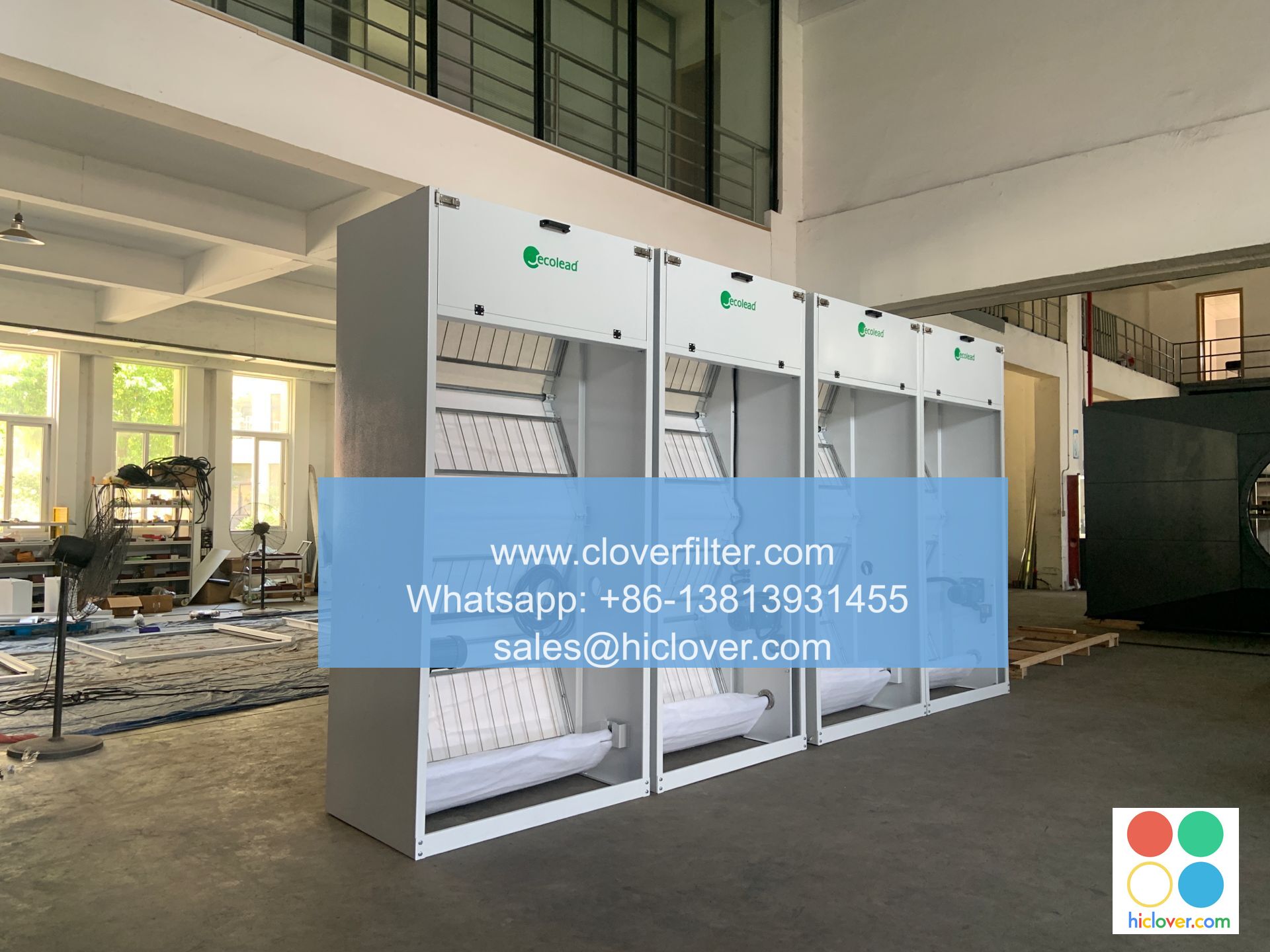
Regina’s chemical plant is one of the largest and most advanced facilities in the region, producing a wide range of chemicals and materials that are used in various industries. However, the production process involves the release of harmful pollutants and particulate matter into the air, which can have serious consequences for the environment and human health. To mitigate these effects, the plant has implemented a robust air quality control system, with automatic roll air filters playing a critical role in removing contaminants from the air.
Automatic roll air filters are designed to capture particles as small as 0.3 microns, including dust, pollen, and other airborne contaminants. These filters are made of a pleated material that is rolled onto a spindle, allowing for a large surface area to be exposed to the air stream. As the air passes through the filter, the particles are trapped, and the clean air is released back into the atmosphere. The filters are automatically advanced as they become saturated, ensuring that the air quality is consistently maintained.

The chemical plant’s air quality control system is designed to handle large volumes of air, with multiple automatic roll air filters installed throughout the facility. These filters are strategically located to capture pollutants at the source, preventing them from spreading throughout the plant and into the surrounding environment. The system is also equipped with sensors and monitoring equipment, allowing plant operators to track air quality in real-time and make adjustments as needed.
The use of automatic roll air filters in Regina’s chemical plant has numerous benefits. Firstly, it helps to reduce the amount of pollutants released into the air, minimizing the impact on the environment and human health. Secondly, it improves the overall efficiency of the plant’s operations, as clean air reduces the risk of equipment corrosion and downtime. Finally, it helps the plant to comply with regulatory requirements, avoiding potential fines and penalties for non-compliance.
In addition to their technical benefits, automatic roll air filters also offer economic advantages. They are a cost-effective solution compared to other air filtration systems, requiring minimal maintenance and replacement. The filters are also designed to be durable, with a long lifespan that reduces the need for frequent replacements. This makes them an attractive option for industrial facilities like Regina’s chemical plant, where operating costs are a major concern.
The implementation of automatic roll air filters in Regina’s chemical plant is also part of a broader strategy to reduce the facility’s environmental footprint. The plant has set ambitious targets to reduce its greenhouse gas emissions and waste production, and the air quality control system is a key component of this effort. By minimizing the release of pollutants into the air, the plant is helping to protect the local ecosystem and preserve the health and well-being of nearby communities.

In conclusion, automatic roll air filters play a vital role in Regina’s chemical plant air quality control system. Their ability to capture particles and contaminants from the air makes them an essential component in maintaining a safe and healthy environment, both within the plant and in the surrounding area. As the plant continues to operate and expand, the use of these filters will remain a critical aspect of its operations, helping to minimize its environmental impact and ensure compliance with regulatory requirements.
FAQs
- What are automatic roll air filters, and how do they work? Automatic roll air filters are designed to capture particles and contaminants from the air. They consist of a pleated material that is rolled onto a spindle, allowing for a large surface area to be exposed to the air stream. As the air passes through the filter, the particles are trapped, and the clean air is released back into the atmosphere.
- What are the benefits of using automatic roll air filters in industrial facilities? The benefits of using automatic roll air filters include improved air quality, reduced equipment corrosion and downtime, and cost savings. They are also a cost-effective solution compared to other air filtration systems, requiring minimal maintenance and replacement.
- How do automatic roll air filters contribute to reducing the environmental footprint of industrial facilities? Automatic roll air filters help to minimize the release of pollutants into the air, reducing the impact on the environment and human health. They are an essential component of a facility’s air quality control system, helping to protect the local ecosystem and preserve the health and well-being of nearby communities.
- Can automatic roll air filters be used in other industries beyond chemical plants? Yes, automatic roll air filters can be used in various industries, including manufacturing, pharmaceuticals, and food processing. They are a versatile solution that can be adapted to meet the specific needs of different facilities and applications.
- How often do automatic roll air filters need to be replaced, and what is the average lifespan? The frequency of replacement and average lifespan of automatic roll air filters depend on various factors, including the type of filter, air quality, and operating conditions. Typically, they need to be replaced every 1-3 years, depending on the manufacturer’s recommendations and the facility’s maintenance schedule.
