Enhancing Food Safety with Automatic Roll Air Filters in Charlottetown Labs
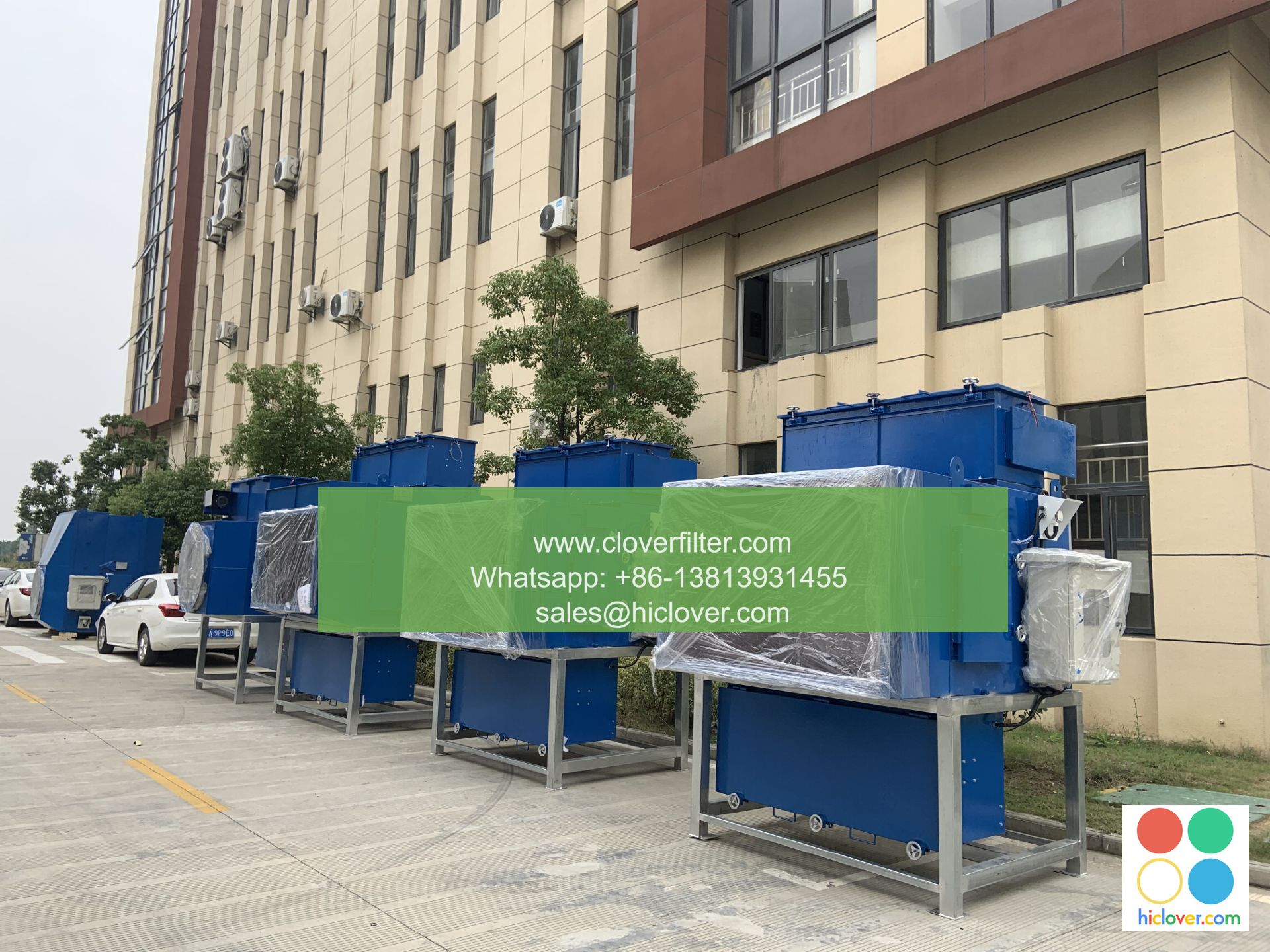
Charlottetown labs, like many other laboratory settings, require strict control over their environment to ensure the accuracy and reliability of their research and testing. One crucial aspect of maintaining a controlled environment is enhancing food safety, particularly in labs that handle food samples or test food products.Automatic roll air filters have emerged as a vital component in achieving this goal. These filters are designed to provide a continuous supply of clean air, minimizing the risk of contamination and ensuring the quality of the air within the lab.
Traditional air filtration systems often require manual replacement of filters, which can be time-consuming and may lead to human error. In contrast, automatic roll air filters offer a streamlined solution, providing a constant flow of clean air without the need for manual intervention. This not only saves time but also reduces the risk of contamination associated with manual filter changes. By minimizing the number of times lab personnel need to interact with the filtration system, the chances of introducing contaminants into the lab environment are significantly reduced.

In the context of Charlottetown labs, the implementation of automatic roll air filters can have a profound impact on enhancing food safety. For instance, labs that test food products for microbiological contaminants can benefit greatly from these filters. By maintaining a clean air environment, the risk of false positives due to airborne contaminants is minimized, thereby ensuring the accuracy of test results. Furthermore, the use of automatic roll air filters can help in preventing the spread of contaminants within the lab, which is crucial for maintaining the integrity of food samples and the overall quality of the research conducted.
Another significant advantage of automatic roll air filters is their ability to adapt to changing environmental conditions within the lab. These filters can be programmed to adjust their airflow and filtration efficiency based on the specific requirements of the lab at any given time. This flexibility is particularly beneficial in labs that conduct a variety of tests and research projects, each with its unique environmental requirements. By ensuring that the air quality meets the specific needs of each project, automatic roll air filters play a critical role in enhancing food safety and the overall quality of the research environment.
In addition to their technical benefits, automatic roll air filters also contribute to a more efficient and cost-effective lab operation. By reducing the need for manual filter replacements and minimizing downtime due to maintenance, these filters can lead to significant cost savings over time. Moreover, the consistent air quality provided by automatic roll air filters can extend the lifespan of lab equipment and reduce the need for redundant testing, further contributing to operational efficiency.
The integration of automatic roll air filters into Charlottetown labs also underscores a commitment to regulatory compliance and adherence to international standards for laboratory practice. Many regulatory bodies, including those overseeing food safety, require labs to maintain stringent controls over their environment to ensure the accuracy and reliability of test results. By adopting automatic roll air filters, labs can demonstrate their commitment to these standards, enhancing their reputation and the credibility of their research.
In conclusion, the use of automatic roll air filters in Charlottetown labs represents a significant step forward in enhancing food safety. By providing a continuous supply of clean air, minimizing manual intervention, and adapting to changing environmental conditions, these filters contribute to a controlled and reliable research environment. As labs continue to evolve and face new challenges in ensuring food safety, the role of automatic roll air filters will only continue to grow in importance.
FAQs
- What are automatic roll air filters, and how do they work? Automatic roll air filters are designed to provide a continuous supply of clean air by automatically advancing a new filter medium as the old one becomes saturated, thus maintaining consistent air quality without manual intervention.
- How do automatic roll air filters enhance food safety in labs? They minimize the risk of contamination by providing clean air, reducing manual intervention, and adapting to changing lab conditions, thereby ensuring the accuracy and reliability of food safety tests.
- Can automatic roll air filters be customized for specific lab requirements? Yes, these filters can be programmed to meet the unique needs of different labs, including adjusting airflow and filtration efficiency based on the type of research or testing being conducted.
- Do automatic roll air filters contribute to cost savings and operational efficiency in labs? Yes, by reducing the need for manual filter replacements, minimizing downtime, and potentially extending the lifespan of lab equipment, automatic roll air filters can lead to significant cost savings and operational efficiencies.
- Are automatic roll air filters compliant with regulatory standards for lab practice? Yes, the use of automatic roll air filters can help labs comply with regulatory requirements for environmental control, thereby enhancing their reputation and the credibility of their research findings.
