Air Filter Ratings: How to Read and Interpret
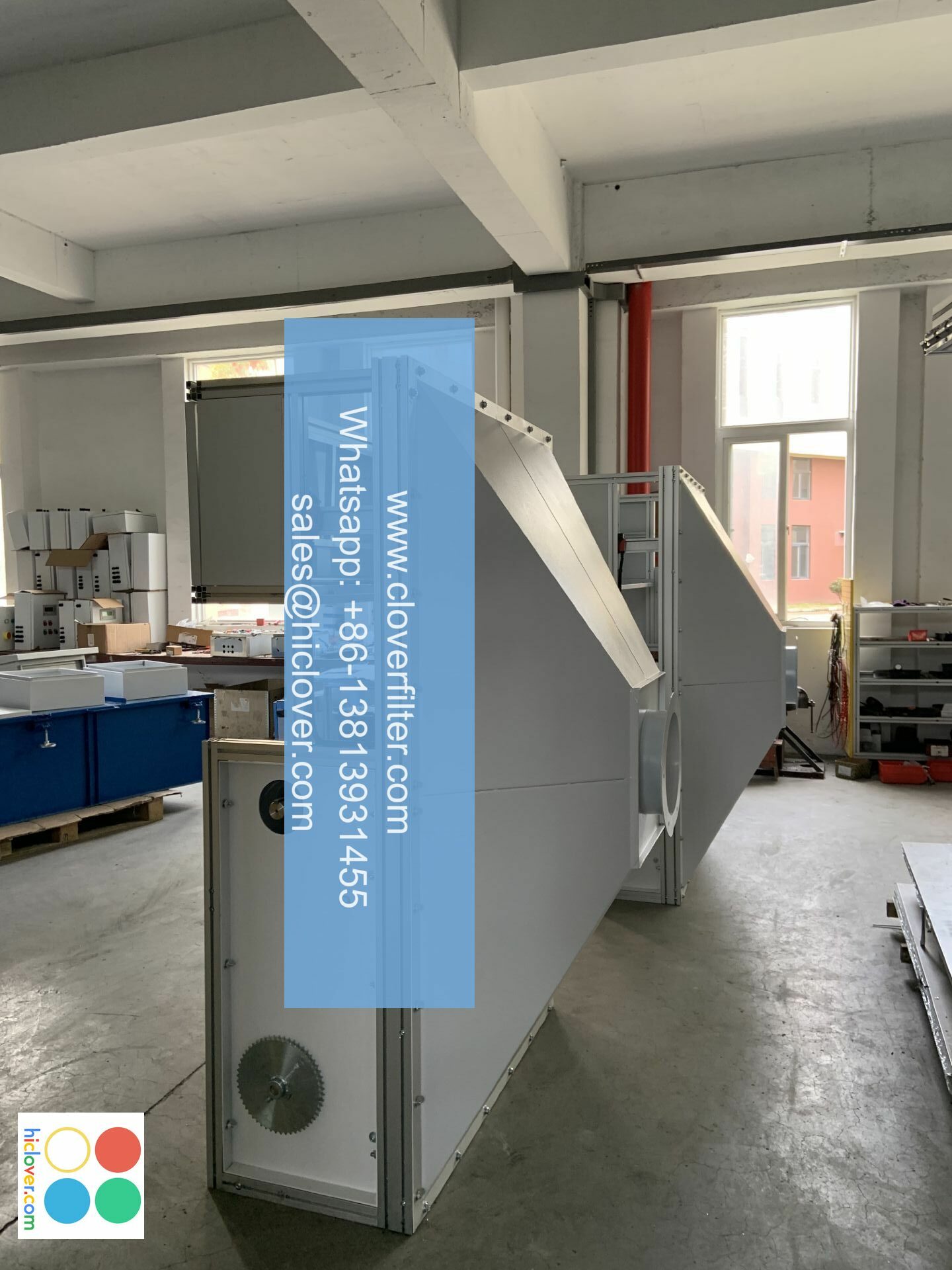
Air filter ratings are a crucial aspect of maintaining good indoor air quality, and it’s essential to understand how to read and interpret these values to ensure you’re getting the best performance from your air filtration system. In this article, we’ll delve into the world of air filter ratings, exploring the different types, HEPA filter ratings, and MERV filter ratings, as well as their various application areas, including industrial air filtration, commercial air purification, and residential air cleaning.
What are Air Filter Ratings?
Air filter ratings are a measure of a filter’s ability to capture airborne particles, including dust particles, pollen, mold spores, and bacteria. These ratings help you determine the effectiveness of an air filter in removing contaminants from the air, ensuring a healthier and cleaner environment. The most common air filter rating systems are MERV (Minimum Efficiency Reporting Value) and HEPA (High Efficiency Particulate Air).
MERV Filter Ratings
MERV filter ratings range from 1 to 20, with higher numbers indicating better filtration performance. The MERV rating system is used to evaluate a filter’s ability to capture particles of different sizes, including:
* Large particles (>= 10 microns): dust, pollen, and mold spores
* Medium particles (1-10 microns): Legionella, lead dust, and humidifier dust
* Small particles (0.3-1 microns): bacteria, smoke, and sneeze nuclei
A higher MERV rating indicates that the filter can capture smaller particles, making it more effective in indoor air quality improvement and allergen reduction.
HEPA Filter Ratings
HEPA filter ratings, on the other hand, are based on the filter’s ability to capture 99.97% of particles as small as 0.3 microns. HEPA filters are commonly used in medical facilities, clean rooms, and industrial settings where high-level filtration is required. HEPA filters are also used in residential air purifiers to provide superior indoor air purification and allergy relief.

Application Areas for Air Filter Ratings
Air filter ratings are crucial in various application areas, including:
* Industrial air filtration: manufacturing facilities, chemical plants, and power plants
* Commercial air purification: office buildings, schools, and hospitals
* Residential air cleaning: home air purifiers and HVAC systems
In these application areas, air filter ratings help determine the effectiveness of the filtration system in removing airborne contaminants, ensuring a healthier and cleaner environment for occupants.
Conclusion
In conclusion, air filter ratings are a vital aspect of maintaining good indoor air quality. Understanding how to read and interpret these values, including HEPA filter ratings and MERV filter ratings, is essential for selecting the right air filtration system for your specific needs. By considering the various application areas, including industrial air filtration, commercial air purification, and residential air cleaning, you can ensure that you’re getting the best performance from your air filtration system and creating a healthier environment for yourself and others. It seems like you haven’t provided a specific question or topic for me to address. Could you please provide more details or clarify what you would like to discuss? I’m here to help with any questions or topics you’d like to explore.
