The Benefits of Integrating Air Filters with HVAC Systems
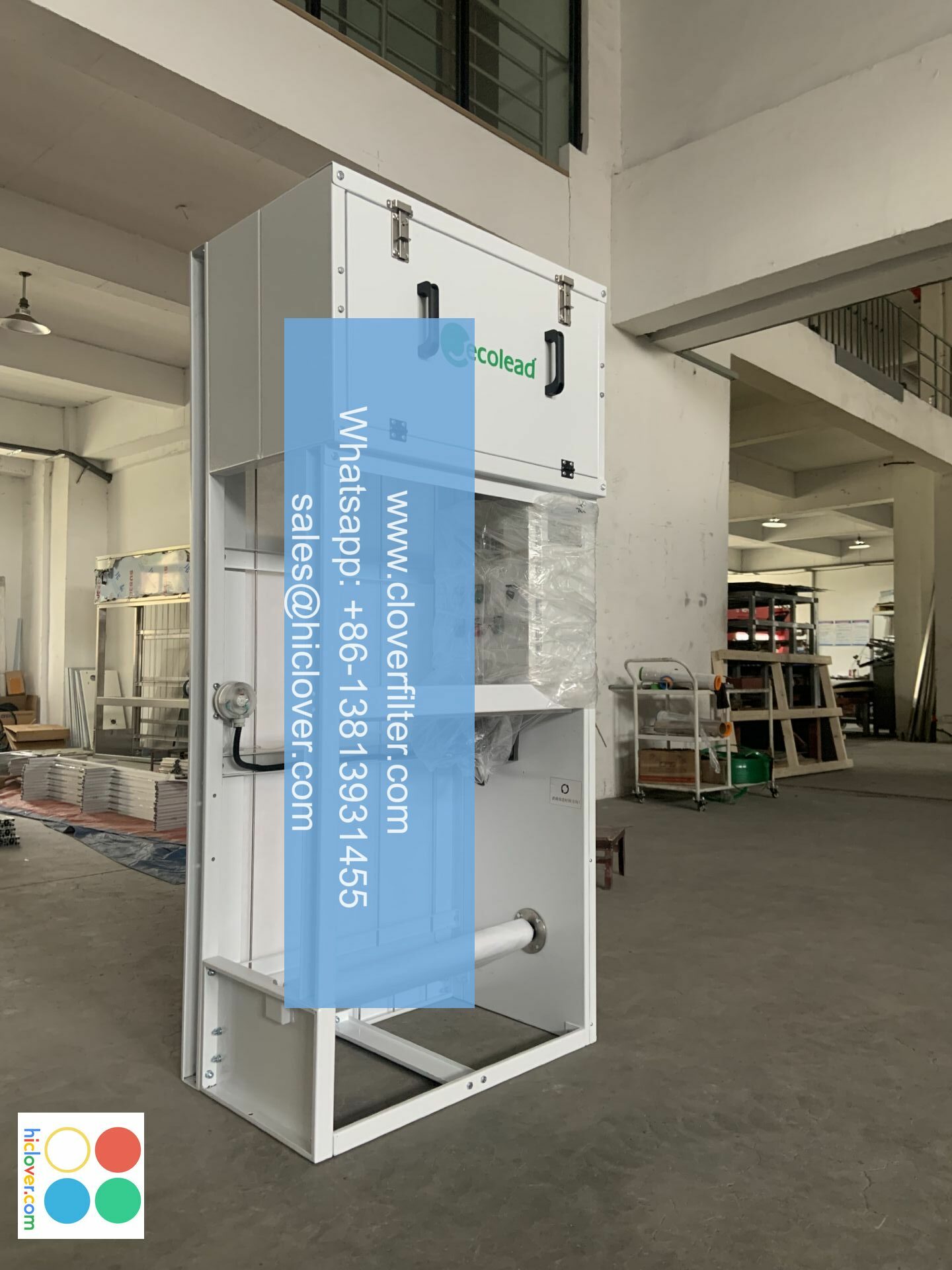
The integration of air filters with Heating, Ventilation, and Air Conditioning (HVAC) systems has become a crucial aspect of maintaining a healthy and energy-efficient indoor environment. By incorporating high-quality air filtration systems into HVAC infrastructure, individuals can significantly improve the air quality, reduce energy consumption, and enhance the overall performance of their heating and cooling systems. In this article, we will delve into the benefits of integrating air filters with HVAC systems, highlighting various application areas and key technologies such as UV air purifiers, HEPA filters, and activated carbon filters.
Improved Indoor Air Quality (IAQ)
One of the primary benefits of integrating air filters with HVAC systems is the significant improvement in indoor air quality. By captures airborne pollutants, allergens, and particles as small as 0.3 microns, air filters can help reduce the risk of respiratory problems, allergies, and other health issues. This is particularly important in commercial and residential settings where indoor air pollution can be a major concern. By incorporating air filters into HVAC systems, individuals can create a healthier indoor environment, free from airborne contaminants and pollutants.
Energy Efficiency and Cost Savings
Integrating air filters with HVAC systems can also lead to significant energy efficiency and cost savings. By reducing the amount of airborne particles and debris that enter the system, air filters can help minimize maintenance costs and extend the lifespan of HVAC equipment. Additionally, by improving the overall efficiency of the system, air filters can help reduce energy consumption, leading to lower utility bills and a reduced carbon footprint. This is particularly important in commercial settings where energy costs can be a significant expense.
Enhanced HVAC System Performance
The integration of air filters with HVAC systems can also enhance the overall performance of the system. By capturing airborne particles and debris, air filters can help prevent coil corrosion and reduce the risk of system failure. This can lead to improved heating and cooling performance, as well as increased system reliability. Additionally, by reducing the amount of airborne particles that enter the system, air filters can help minimize the risk of system downtime and reduce the need for costly repairs.

Application Areas
The benefits of integrating air filters with HVAC systems can be applied to a wide range of settings, including:
* Commercial buildings: Offices, schools, hospitals, and other commercial settings can benefit from improved indoor air quality and energy efficiency.
* Residential settings: Homes and apartments can benefit from improved indoor air quality and reduced energy consumption.
* Industrial settings: Factories, warehouses, and other industrial settings can benefit from improved indoor air quality and reduced energy consumption.
* Healthcare settings: Hospitals, clinics, and other healthcare settings can benefit from improved indoor air quality and reduced risk of airborne infections.
Key Technologies
Several key technologies are used in air filtration systems, including:
* UV air purifiers: Use ultraviolet light to kill airborne bacteria, viruses, and other microorganisms.
* HEPA filters: Capture airborne particles as small as 0.3 microns, removing up to 99.97% of airborne pollutants.
* Activated carbon filters: Capture airborne gases, odors, and chemicals, removing up to 99% of airborne pollutants.
In conclusion, the integration of air filters with HVAC systems offers a wide range of benefits, from improved indoor air quality and energy efficiency to enhanced system performance and cost savings. By highlighting various application areas and key technologies, it is clear that air filtration systems play a crucial role in maintaining a healthy and energy-efficient indoor environment. Whether in commercial, residential, or industrial settings, the benefits of integrating air filters with HVAC systems cannot be overstated. It seems like you forgot to include the actual prompt. Can you please provide more context or information about what you would like to discuss or ask? I’ll do my best to assist you.
