The Role of Air Filter Design in Food Processing Facilities for Energy Efficiency
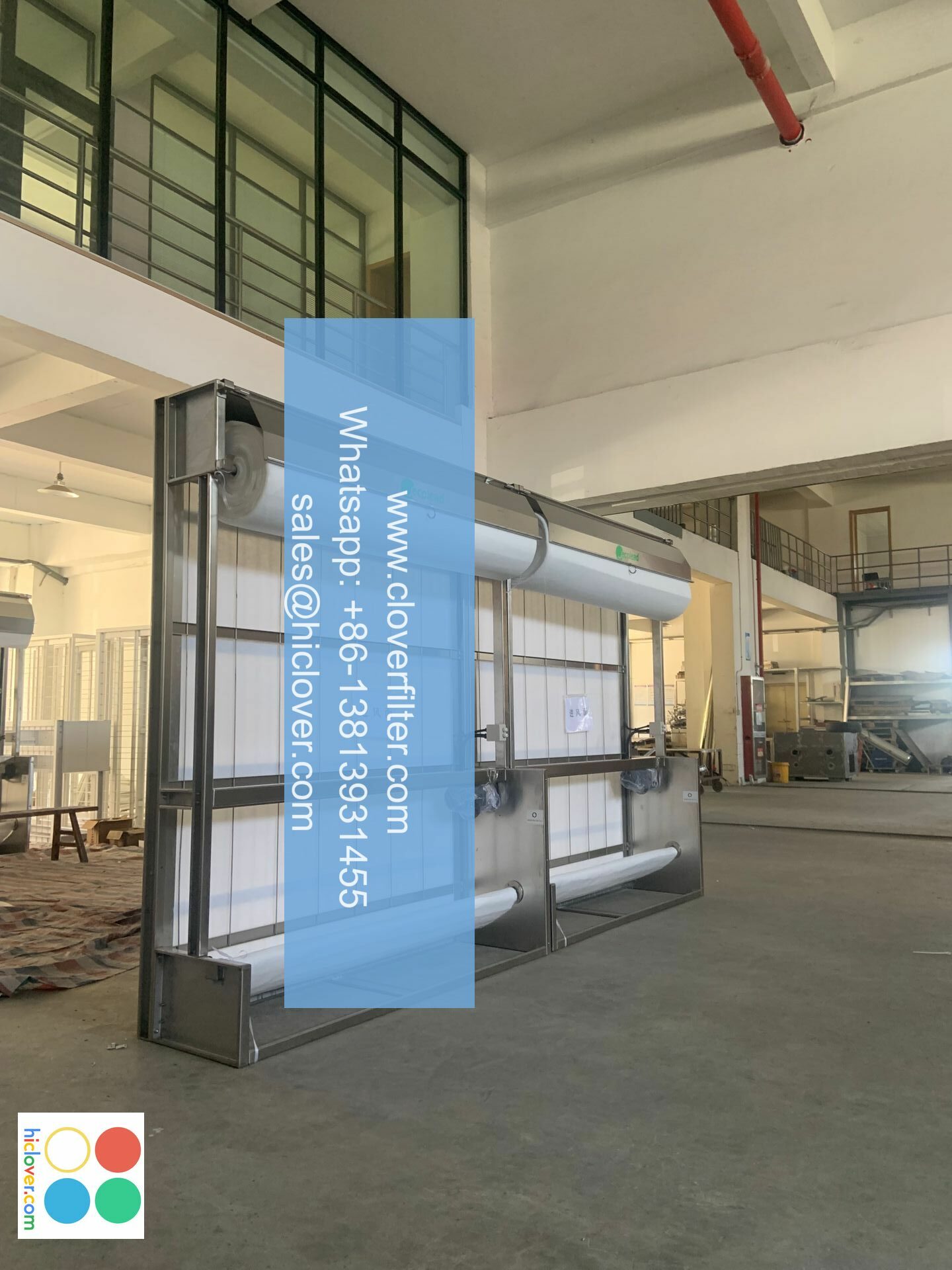
The food processing industry is a significant consumer of energy, with a substantial portion of its energy expenditure attributed to HVAC systems. One crucial aspect of achieving energy efficiency in food processing facilities is the design of air filters. In this article, we will delve into the importance of air filter design, its impact on energy efficiency, and highlight various application areas where optimized air filter design can make a substantial difference.
Introduction to Air Filter Design
Air filter design plays a critical role in maintaining the quality of air in food processing facilities. The primary function of air filters is to remove airborne contaminants, such as dust, pollen, and microorganisms, which can compromise the quality and safety of food products. However, air filters can also significantly impact the energy efficiency of HVAC systems. A well-designed air filter can minimize energy consumption, reduce maintenance costs, and improve the overall performance of the system.
Key Considerations for Air Filter Design
When it comes to designing air filters for food processing facilities, several key considerations must be taken into account. These include:
* Filtration Efficiency: The ability of the air filter to capture airborne contaminants, measured in terms of its Minimum Efficiency Reporting Value (MERV) rating.
* Airflow Resistance: The pressure drop across the air filter, which can impact the energy consumption of the HVAC system.
* Filtered Air Quality: The quality of the air after passing through the filter, which is critical for maintaining a clean and safe environment in food processing facilities.
* Energy Efficiency: The impact of the air filter design on the energy consumption of the HVAC system, which can be significant.
Application Areas for Optimized Air Filter Design
Optimized air filter design can have a significant impact on energy efficiency in various application areas within food processing facilities. Some of the key areas include:
* Cold Storage Facilities: Where temperature and humidity control are critical, optimized air filter design can help minimize energy consumption while maintaining a consistent and clean environment.
* Processing Areas: Where food products are handled and processed, optimized air filter design can help remove airborne contaminants and maintain a clean environment, reducing the risk of contamination.
* Packaging Areas: Where food products are packaged and prepared for distribution, optimized air filter design can help maintain a clean environment and prevent contamination.
* Freezing and Chilling Tunnels: Where food products are frozen or chilled, optimized air filter design can help minimize energy consumption while maintaining a consistent and clean environment.

Benefits of Optimized Air Filter Design
The benefits of optimized air filter design in food processing facilities are numerous. Some of the key advantages include:
* Energy Savings: Optimized air filter design can help minimize energy consumption, reducing the overall energy expenditure of the facility.
* Improved Indoor Air Quality: Optimized air filter design can help remove airborne contaminants, maintaining a clean and safe environment for food processing.
* Reduced Maintenance Costs: Optimized air filter design can help reduce maintenance costs by minimizing the need for frequent filter replacements and cleaning.
* Increased System Performance: Optimized air filter design can help improve the overall performance of the HVAC system, reducing the risk of system failures and downtime.
Conclusion
In conclusion, the design of air filters plays a critical role in achieving energy efficiency in food processing facilities. By considering key factors such as filtration efficiency, airflow resistance, filtered air quality, and energy efficiency, facility managers can optimize air filter design to minimize energy consumption, reduce maintenance costs, and improve the overall performance of the system. By highlighting various application areas, such as cold storage facilities, processing areas, packaging areas, and freezing and chilling tunnels, we can see the significant impact that optimized air filter design can have on energy efficiency and indoor air quality in food processing facilities. As the food processing industry continues to evolve, the importance of optimized air filter design will only continue to grow, driving the need for more efficient, effective, and sustainable solutions. You haven’t given me a prompt to respond to. Please provide a question or topic you’d like to discuss, and I’ll do my best to assist you.
