Air Filters and Energy Efficiency: A Review of the Current State
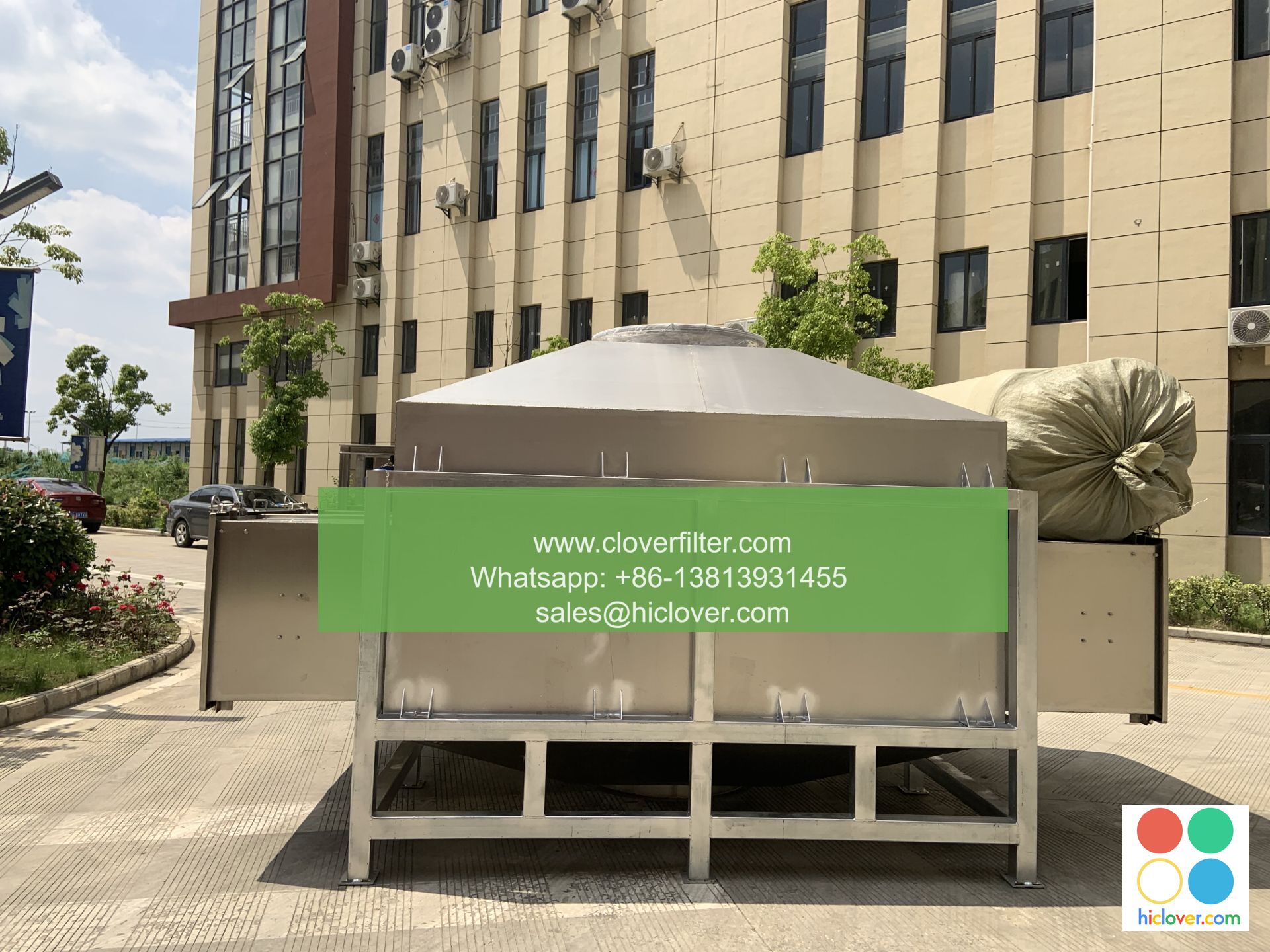
Air filters play a crucial role in maintaining good indoor air quality, and their impact on energy efficiency cannot be overstated. In this article, we will delve into the current state of air filters and their relationship with energy efficiency, highlighting various application areas and emphasizing the importance of proper filter selection and maintenance.
Introduction to Air Filters and Energy Efficiency
Air filters are designed to remove airborne contaminants, such as dust, pollen, and other particles, from the air. However, they can also impact the energy efficiency of a building’s heating, ventilation, and air conditioning (HVAC) system. A well-designed air filter can help reduce energy consumption, while a poorly designed or maintained filter can lead to increased energy waste.
Types of Air Filters and Their Impact on Energy Efficiency
There are several types of air filters available, each with its own energy efficiency characteristics. Some of the most common types include:
* HEPA (High Efficiency Particulate Air) filters, which are designed to capture 99.97% of particles as small as 0.3 microns. HEPA filters are highly effective at removing airborne contaminants, but they can also increase the energy consumption of an HVAC system due to their high pressure drop.
* Activated carbon filters, which are designed to remove gases and odors from the air. Activated carbon filters can be energy-efficient, but they may not be as effective at removing particles as other types of filters.
* Pleated filters, which are designed to provide a high surface area for particle capture. Pleated filters can be energy-efficient and cost-effective, but they may not be as effective at removing small particles as other types of filters.
Application Areas for Energy-Efficient Air Filters
Energy-efficient air filters can be applied in a variety of settings and industries, including:
* Residential buildings, where they can help reduce energy consumption and improve indoor air quality.
* Commercial buildings, where they can help reduce energy costs and improve occupant health and productivity.
* Industrial settings, where they can help reduce energy consumption and improve process efficiency.
* Healthcare facilities, where they can help reduce the risk of airborne infections and improve patient outcomes.

Best Practices for Selecting and Maintaining Energy-Efficient Air Filters
To maximize the energy efficiency of an air filter, it is essential to select the right filter for the application and maintain it properly. Some best practices include:
* Choosing a filter with a low pressure drop to minimize energy consumption.
* Selecting a filter with a high MERV (Minimum Efficiency Reporting Value) rating to ensure effective particle capture.
* Replacing filters regularly to maintain their effectiveness and prevent energy waste.
* Monitoring filter performance to identify opportunities for improvement and optimize energy efficiency.
Conclusion
In conclusion, air filters play a critical role in maintaining good indoor air quality, and their impact on energy efficiency cannot be overstated. By selecting the right filter for the application and maintaining it properly, building owners and operators can reduce energy consumption, improve occupant health and productivity, and minimize their environmental impact. As the demand for energy-efficient solutions continues to grow, the importance of proper air filter selection and maintenance will only continue to increase. It seems like you forgot to include the actual prompt. Could you please provide more context or information about what you would like to discuss or ask? I’ll do my best to assist you.
