Designing an Effective Cleanroom Air Filtration System with Automatic Roll Air Filters in Ontario

In Ontario, cleanrooms are essential in various industries such as pharmaceutical, biotechnology, and electronics manufacturing, where the control of airborne particles is crucial to prevent contamination and ensure product quality. A well-designed cleanroom air filtration system is vital to maintain the required cleanliness level, and automatic roll air filters play a significant role in achieving this goal. In this article, we will discuss the importance of designing an effective cleanroom air filtration system with automatic roll air filters in Ontario.
Cleanrooms are controlled environments that require precise control over temperature, humidity, and air quality. The primary objective of a cleanroom air filtration system is to remove airborne particles, such as dust, bacteria, and other contaminants, to prevent them from entering the cleanroom and compromising the products being manufactured. Automatic roll air filters are a type of filtration system that uses a rolling mechanism to advance a new filter media, providing a continuous and uninterrupted filtration process.
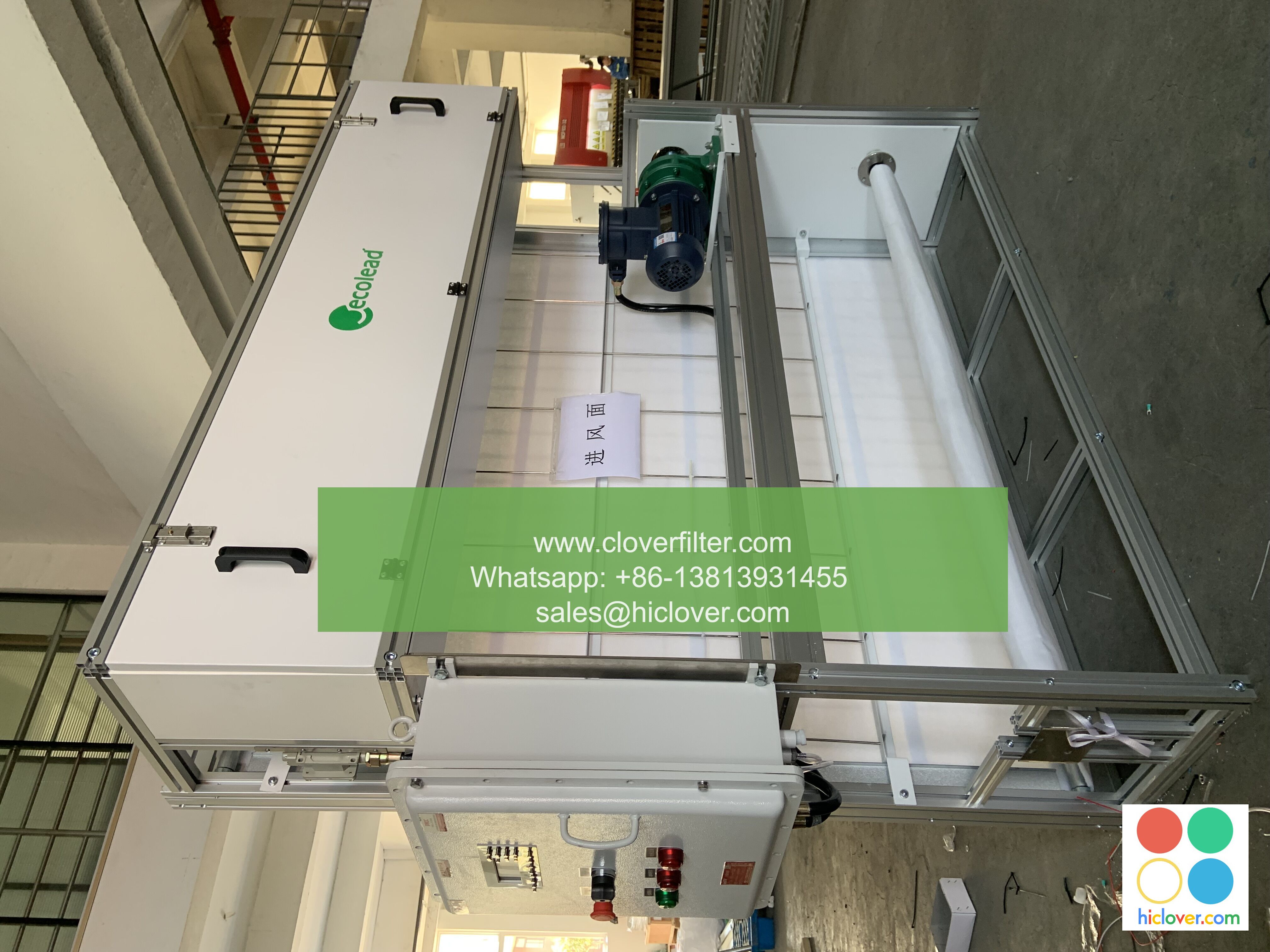
The design of a cleanroom air filtration system with automatic roll air filters involves several factors, including the type and size of the filters, the airflow rate, and the pressure drop across the filters. The filters used in cleanrooms are typically HEPA (High Efficiency Particulate Air) or ULPA (Ultra Low Penetration Air) filters, which are designed to capture 99.97% or 99.999% of particles as small as 0.3 microns, respectively. The size of the filters depends on the size of the cleanroom and the required airflow rate.
The airflow rate is critical in a cleanroom, as it determines the number of air changes per hour, which is essential to maintain the required cleanliness level. A higher airflow rate requires larger filters, which can increase the pressure drop across the filters, leading to increased energy consumption and reduced filter life. Therefore, it is essential to balance the airflow rate with the filter size and type to ensure optimal performance and energy efficiency.
Automatic roll air filters are designed to provide a continuous and uninterrupted filtration process, which is critical in cleanrooms where the products being manufactured are sensitive to airborne particles. These filters use a rolling mechanism to advance a new filter media, which ensures that the filtration process is not interrupted, even when the filter is being replaced or maintained. This feature is particularly important in cleanrooms where the products being manufactured require a high level of cleanliness, such as in the pharmaceutical and biotechnology industries.
In Ontario, the design and installation of cleanroom air filtration systems with automatic roll air filters must comply with various regulations and standards, including the Canadian Standards Association (CSA) and the International Organization for Standardization (ISO). These regulations and standards ensure that the cleanroom air filtration system is designed and installed to provide the required level of cleanliness and to prevent contamination.

In addition to the design and installation of the cleanroom air filtration system, regular maintenance is essential to ensure optimal performance and to prevent contamination. This includes regular replacement of the filters, cleaning of the ductwork and other components, and monitoring of the airflow rate and pressure drop across the filters.
In conclusion, designing an effective cleanroom air filtration system with automatic roll air filters in Ontario requires careful consideration of several factors, including the type and size of the filters, the airflow rate, and the pressure drop across the filters. Automatic roll air filters provide a continuous and uninterrupted filtration process, which is critical in cleanrooms where the products being manufactured are sensitive to airborne particles. Regular maintenance is also essential to ensure optimal performance and to prevent contamination.
FAQs
Q: What is the purpose of a cleanroom air filtration system?
A: The purpose of a cleanroom air filtration system is to remove airborne particles, such as dust, bacteria, and other contaminants, to prevent them from entering the cleanroom and compromising the products being manufactured.
Q: What type of filters are used in cleanrooms?
A: The filters used in cleanrooms are typically HEPA (High Efficiency Particulate Air) or ULPA (Ultra Low Penetration Air) filters, which are designed to capture 99.97% or 99.999% of particles as small as 0.3 microns, respectively.
Q: What is the importance of automatic roll air filters in cleanrooms?
A: Automatic roll air filters provide a continuous and uninterrupted filtration process, which is critical in cleanrooms where the products being manufactured are sensitive to airborne particles.
Q: What regulations and standards must be complied with in Ontario?
A: In Ontario, the design and installation of cleanroom air filtration systems with automatic roll air filters must comply with various regulations and standards, including the Canadian Standards Association (CSA) and the International Organization for Standardization (ISO).
Q: Why is regular maintenance important for cleanroom air filtration systems?
A: Regular maintenance is essential to ensure optimal performance and to prevent contamination. This includes regular replacement of the filters, cleaning of the ductwork and other components, and monitoring of the airflow rate and pressure drop across the filters.
