The Importance of Air Filter Data in Indoor Air Quality
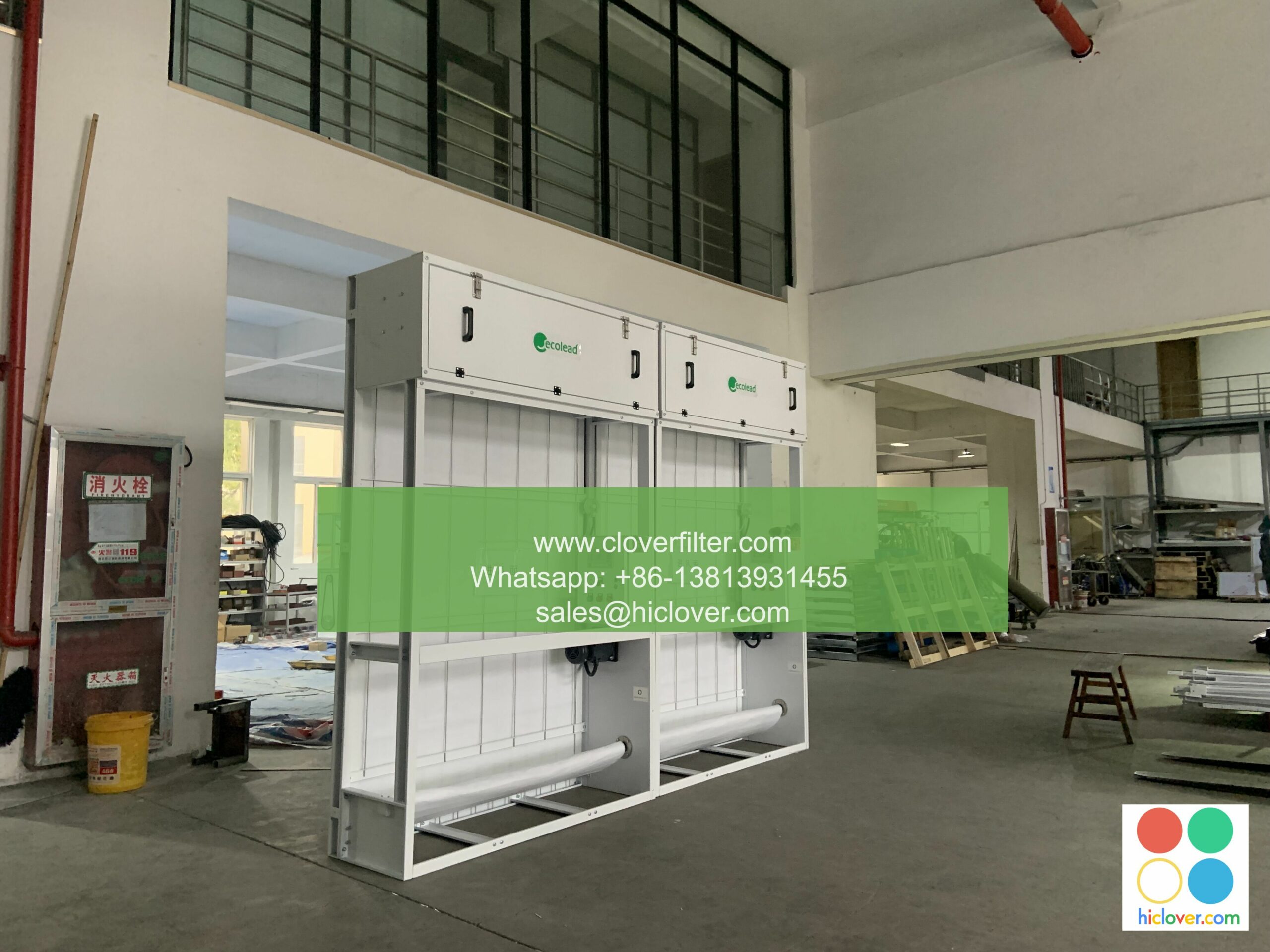
As the world becomes increasingly aware of the significance of indoor air quality (IAQ) and its impact on human health, the role of air filter data has become more crucial than ever. In this article, we will explore the importance of air filter data in maintaining good IAQ, its various application areas, and how it can be used to improve air filtration systems and overall indoor environmental quality.
Introduction to Air Filter Data
Air filter data refers to the information collected from air filtration systems about the performance, efficiency, and effectiveness of air filters in removing particulate matter (PM), volatile organic compounds (VOCs), and other indoor air pollutants. This data is essential in understanding the indoor air quality and identifying areas for improvement. By analyzing air filter data, building managers, and facility operators can optimize air filtration systems to provide a healthier and more comfortable indoor environment.
Application Areas of Air Filter Data
Air filter data has various application areas, including:
* Commercial buildings: Air filter data is used to maintain good IAQ in office spaces, shopping malls, and hotels.
* Healthcare facilities: Air filter data is critical in hospitals and clinics to prevent the spread of infectious diseases and maintain a sterile environment.
* Industrial settings: Air filter data is used to monitor and control indoor air quality in manufacturing plants and warehouses.
* Residential buildings: Air filter data is used to improve IAQ in apartments and single-family homes.
Benefits of Air Filter Data
The benefits of air filter data are numerous, including:
* Improved indoor air quality: By analyzing air filter data, facility operators can identify areas for improvement and optimize air filtration systems to provide a healthier indoor environment.
* Increased energy efficiency: Air filter data can help reduce energy consumption by identifying opportunities to improve air filtration system performance and reduce airflow resistance.
* Extended filter life: By monitoring air filter data, facility operators can predict when air filters need to be replaced, reducing waste and maintenance costs.
* Enhanced occupant health and productivity: Good IAQ has been shown to improve occupant health and productivity, leading to increased job satisfaction and economic benefits.

Best Practices for Collecting and Analyzing Air Filter Data
To get the most out of air filter data, it’s essential to follow best practices for collecting and analyzing the data, including:
* Regular monitoring: Regularly monitor air filtration system performance and collect data on air filter efficiency, airflow, and pressure drop.
* Data analysis: Analyze air filter data to identify trends and areas for improvement.
* Filter maintenance: Regularly maintain and replace air filters to ensure optimal performance.
* System optimization: Optimize air filtration systems based on air filter data to improve IAQ and reduce energy consumption.
Conclusion
In conclusion, air filter data plays a vital role in maintaining good indoor air quality and improving air filtration systems. By collecting and analyzing air filter data, facility operators can optimize air filtration systems to provide a healthier and more comfortable indoor environment. As the importance of IAQ continues to grow, the role of air filter data will become increasingly significant in various application areas, including commercial buildings, healthcare facilities, industrial settings, and residential buildings. By following best practices for collecting and analyzing air filter data, we can create healthier, more sustainable, and more productive indoor environments. It looks like you didn’t include a prompt. Please go ahead and provide one, and I’ll do my best to help!
