The Role of Air Filter Quality Control in Soundproofed Studios
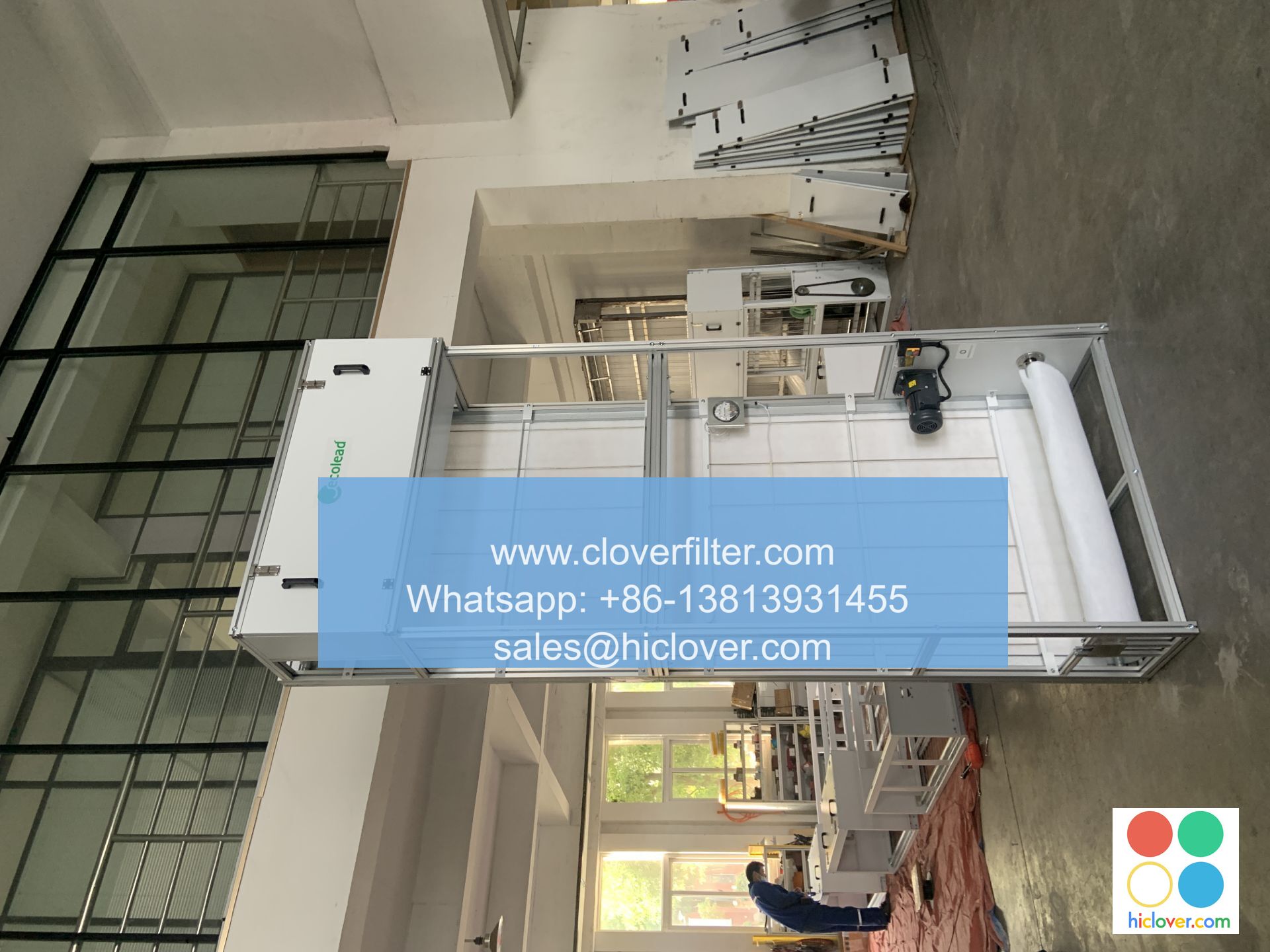
Soundproofed studios are designed to provide a quiet and controlled environment for recording, mixing, and mastering audio. However, to maintain the integrity of the sound, it’s essential to control the air quality within the studio. This is where air filter quality control comes into play, playing a crucial role in maintaining a noise-free and pollutant-free environment. In this article, we’ll explore the importance of air filter quality control in soundproofed studios, highlighting various application areas and key considerations.
##
The Impact of Air Quality on Sound Quality
Air quality can significantly impact the sound quality in a studio. Poor air quality can lead to background noise, resonance, and reverberation, compromising the overall audio experience. Airborne pollutants, such as dust, pollen, and smoke, can also damage equipment and compromise the health of studio personnel. Therefore, implementing a robust air filtration system is essential to maintain optimal indoor air quality (IAQ) and ensure the best possible sound quality.
##
Key Considerations for Air Filter Quality Control
When it comes to air filter quality control in soundproofed studios, several key considerations come into play. These include:
* Filtration efficiency: The air filter should be able to capture at least 99.97% of particles as small as 0.3 microns, including dust, pollen, and other airborne pollutants.
* Airflow rate: The air filter should be able to handle the required airflow rate to maintain optimal IAQ and prevent pressure drops that can compromise sound quality.
* Filter maintenance: Regular filter maintenance is essential to ensure optimal performance and prevent filter degradation.
* System design: The air filtration system should be designed to integrate seamlessly with the studio’s acoustic design and mechanical systems.
##
Application Areas for Air Filter Quality Control
Air filter quality control is crucial in various application areas within soundproofed studios, including:
* Recording studios: Where high-quality audio is paramount, and even the slightest background noise can compromise the recording.
* Mixing and mastering studios: Where precise control over the audio signal is essential, and airborne pollutants can affect the accuracy of the mixing and mastering process.
* Post-production studios: Where the audio is often pushed to the limits, and poor air quality can lead to distortion and artifacts.
* Live performance venues: Where the audience expects a high-quality audio experience, and airborne pollutants can compromise the sound quality and the health of the performers.
##
Best Practices for Implementing Air Filter Quality Control
To ensure optimal air filter quality control in soundproofed studios, follow these best practices:
* Regular filter maintenance: Schedule regular filter replacement and cleaning to prevent filter degradation and maintain optimal performance.
* Monitor IAQ: Continuously monitor IAQ to ensure it meets the required standards and make adjustments as necessary.
* Integrate with acoustic design: Ensure the air filtration system is designed to integrate seamlessly with the studio’s acoustic design and mechanical systems.
* Consider the studio’s specific needs: Take into account the studio’s specific needs, such as the type of equipment used, the number of occupants, and the local environmental conditions.
By implementing a robust air filter quality control system and following best practices, soundproofed studios can maintain optimal IAQ, ensure the best possible sound quality, and provide a healthy and safe environment for studio personnel and performers. It looks like you’re ready to get started, but I don’t see a specific prompt. What would you like to talk about or ask? I can assist with a wide range of topics, from science and history to entertainment and culture. If you’re feeling stuck, I can also offer some conversation starters. Please let me know how I can help!
