Air Filter Effectiveness: What the Numbers Say
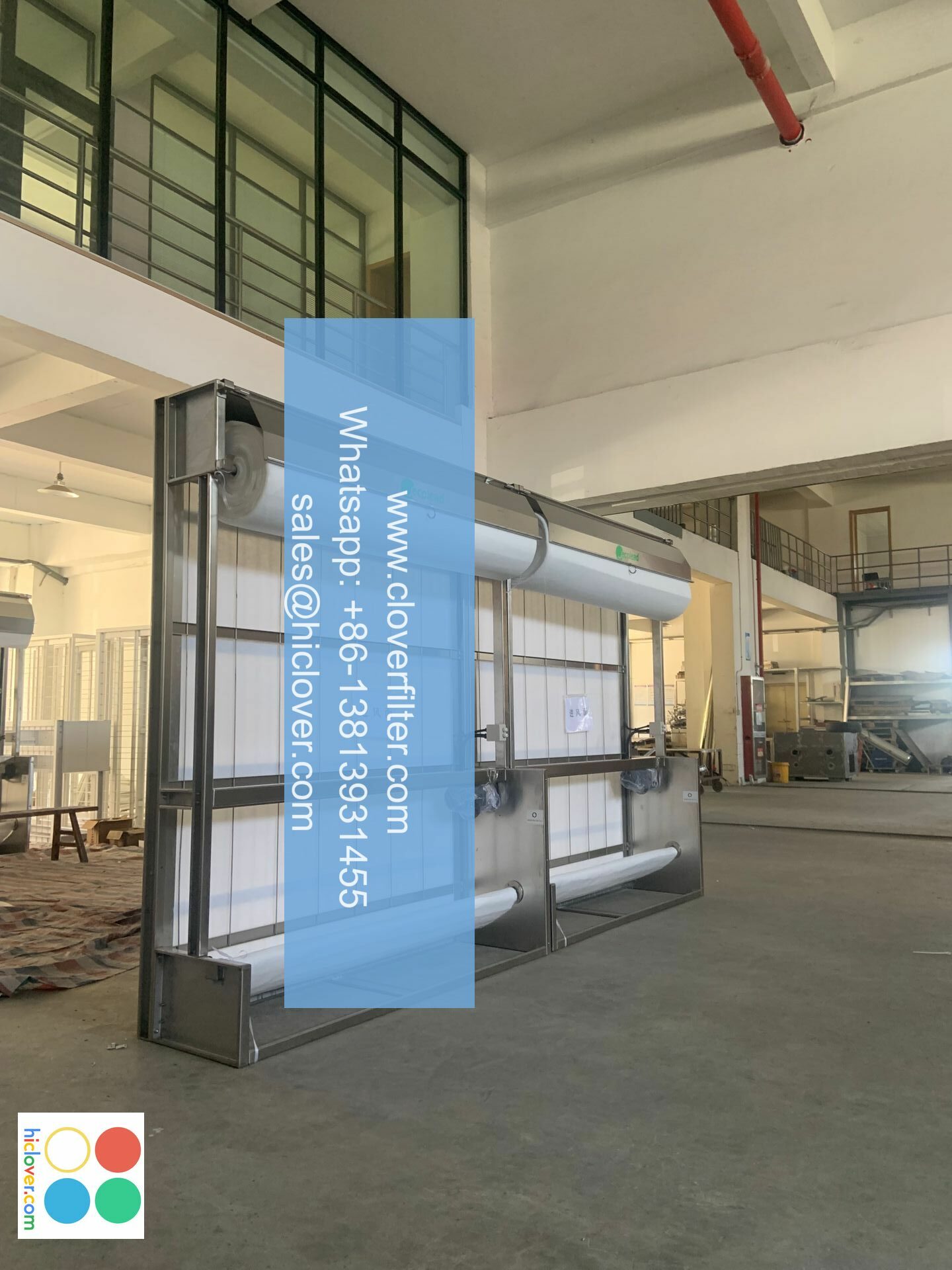
Air filter effectiveness is a critical aspect of maintaining good indoor air quality, and with the numerous options available, it’s essential to understand what the numbers say. In this article, we’ll delve into the world of air filters, exploring the various types, their applications, and the key performance indicators (KPIs) that measure their effectiveness.
Understanding MERV Ratings and Air Filter Effectiveness
The Minimum Efficiency Reporting Value (MERV) rating is a standard measure of air filter effectiveness. MERV ratings range from 1 to 20, with higher ratings indicating better filtration. For instance, a MERV 13 air filter can capture 90% of particles as small as 1.0-3.0 microns, making it an excellent choice for Commercial Air Filtration Systems and Industrial Air Purification. On the other hand, a MERV 16 air filter can capture 95% of particles as small as 0.3-1.0 microns, making it suitable for Cleanroom Air Filtration and Pharmaceutical Air Quality Control.
Air Filter Types and Their Effectiveness
There are several types of air filters, each with its unique characteristics and applications. Some of the most common types include:
– HEPA (High Efficiency Particulate Air) Filters: With a MERV rating of 17 or higher, HEPA filters can capture 99.97% of particles as small as 0.3 microns, making them ideal for Residential Air Purification and Medical Air Filtration.
– Activated Carbon Filters: These filters are designed to capture gases and odors, making them suitable for Odor Control and VOC (Volatile Organic Compound) Removal.
– UV (Ultraviolet) Light Air Purifiers: These systems use UV light to kill bacteria and viruses, making them effective for Microbial Control and Airborne Pathogen Removal.
Real-World Applications of Air Filter Effectiveness
Air filter effectiveness has numerous real-world applications, including:
– Indoor Air Quality Improvement: By removing pollutants and allergens, air filters can significantly improve indoor air quality, making it easier for people to breathe and reducing the risk of respiratory problems.
– Allergy Relief: Air filters can capture allergens like dust, pollen, and pet dander, providing relief for people with allergies.
– Infection Control: In healthcare settings, air filters can help prevent the spread of infections by removing airborne pathogens.

Conclusion
In conclusion, air filter effectiveness is a critical aspect of maintaining good indoor air quality. By understanding the MERV ratings, air filter types, and their applications, individuals and organizations can make informed decisions about their air filtration needs. Whether it’s for Commercial Air Filtration, Residential Air Purification, or Industrial Air Quality Control, the right air filter can make a significant difference in the health and well-being of occupants. So, the next time you’re considering an air filter, remember to look beyond the marketing claims and focus on the numbers – they’ll tell you everything you need to know about air filter effectiveness. It seems like you didn’t include a prompt. Could you please provide more details or specify what you would like to know or discuss? I’m here to help with any questions or topics you have in mind.
