The Link Between Air Filter Contacts and Public Health Concerns
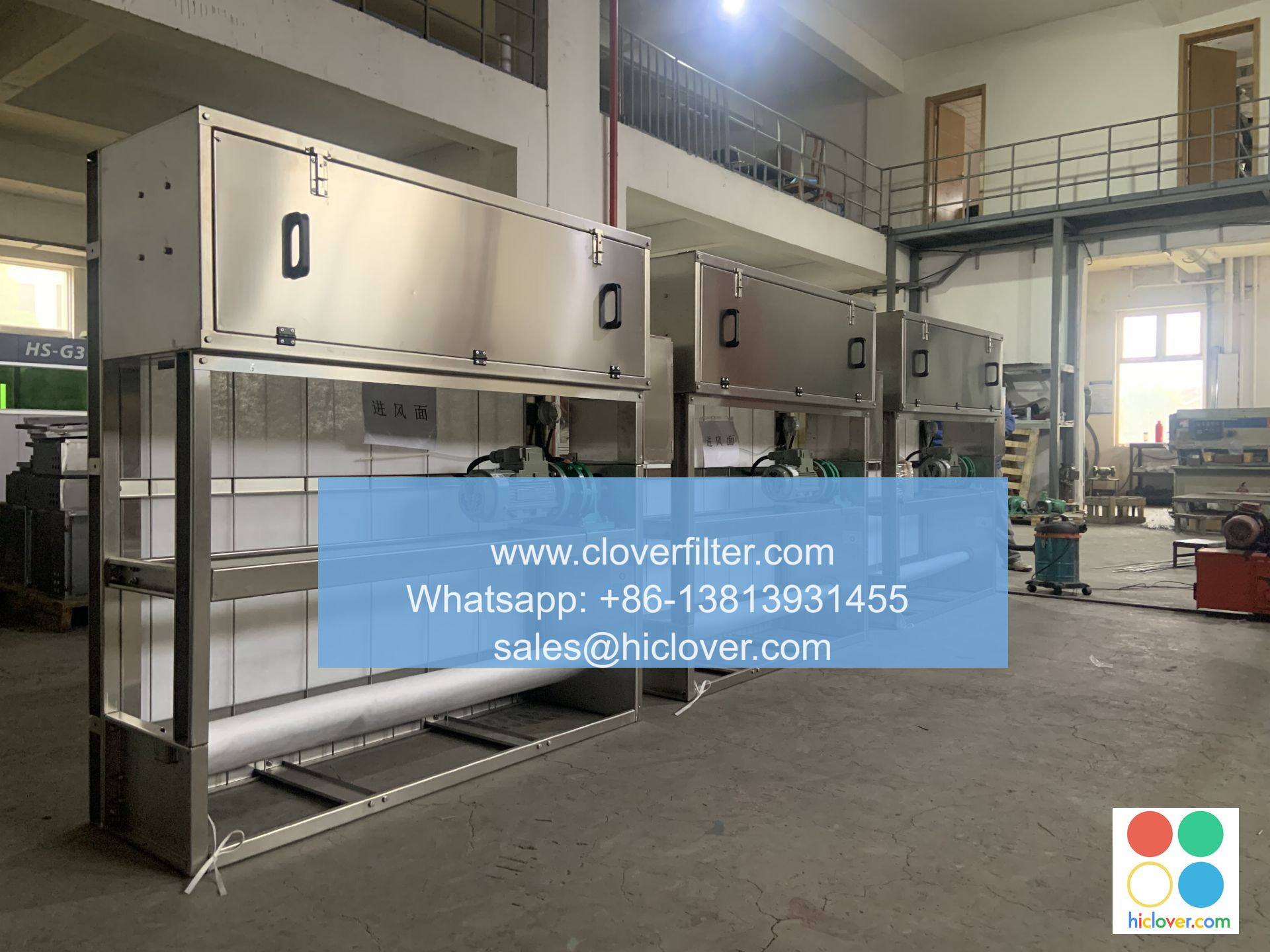
Air filter contacts have become an essential component in various industries, including HVAC systems, air purification systems, and automotive applications. However, the link between air filter contacts and public health concerns is a topic of growing interest. In this article, we will delve into the relationship between air filter contacts and public health, highlighting various application areas and the potential risks associated with poor air filtration.
Indoor Air Quality and Public Health
Indoor air quality (IAQ) is a critical factor in maintaining public health. Poor IAQ can lead to a range of health issues, including respiratory problems, allergic reactions, and even cancer. Air filter contacts play a vital role in maintaining good IAQ by capturing pollutants, dust, and other airborne contaminants. However, if air filter contacts are not properly designed, installed, or maintained, they can become a breeding ground for bacteria, mold, and other microorganisms, exacerbating public health concerns.
Application Areas and Potential Risks
Air filter contacts are used in various application areas, including:
- HVAC Systems: Heating, ventilation, and air conditioning systems rely on air filter contacts to maintain good IAQ. However, if these systems are not properly maintained, they can distribute pollutants and contaminants throughout buildings, posing a significant risk to public health.
- Air Purification Systems: Air purification systems, such as HEPA filters, use air filter contacts to capture airborne contaminants. However, if these systems are not designed or installed correctly, they can fail to capture pollutants, leading to poor IAQ and related health issues.
- Automotive Applications: Air filter contacts are used in automotive applications, such as car air filters, to maintain good IAQ inside vehicles. However, if these filters are not properly maintained or replaced, they can become clogged, reducing airflow and increasing the risk of respiratory problems.
- Particulate Matter (PM): PM, including dust, pollen, and other airborne particles, can exacerbate respiratory problems, such as asthma and chronic obstructive pulmonary disease (COPD).
- : VOCs, including chemicals and gases, can cause a range of health issues, including headaches, nausea, and cancer.
- Bacteria and Mold: Bacteria and mold can grow on air filter contacts, leading to the distribution of airborne contaminants and related health issues.
- Design and Install Air Filter Contacts Correctly: Air filter contacts should be designed and installed to ensure good IAQ and minimize the risk of pollutant distribution.
- Maintain Air Filter Contacts Regularly: Air filter contacts should be regularly maintained, including cleaning and replacing filters, to prevent the growth of bacteria and mold.
- Monitor IAQ: IAQ should be monitored regularly to ensure that air filter contacts are functioning effectively and that IAQ meets public health standards.
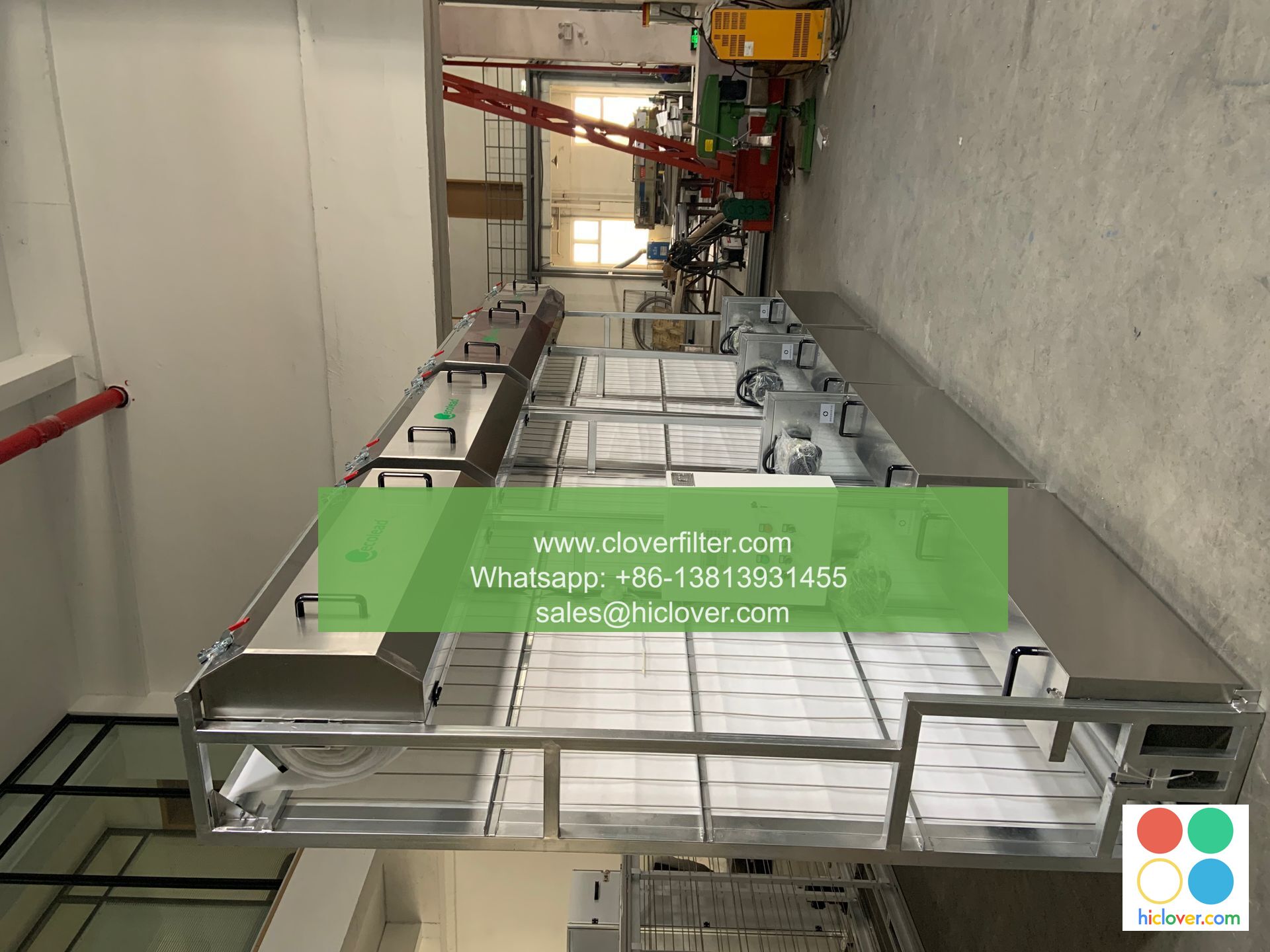
Pollutants and Contaminants: A Public Health Concern
Air filter contacts can capture a range of pollutants and contaminants, including:
Mitigating Public Health Concerns
To mitigate public health concerns related to air filter contacts, it is essential to:
Conclusion
In conclusion, the link between air filter contacts and public health concerns is a critical issue that requires attention. By understanding the relationship between air filter contacts and public health, we can take steps to mitigate potential risks and ensure good IAQ. Whether in HVAC systems, air purification systems, or automotive applications, air filter contacts play a vital role in maintaining public health. By designing, installing, and maintaining air filter contacts correctly, we can reduce the risk of public health concerns and create healthier indoor environments. It seems like you haven’t provided a prompt or question for me to respond to. Please go ahead and ask your question, and I’ll do my best to provide a helpful and informative answer.
