The Science Behind Automatic Roll Air Filters: An Exclusive Look at Vancouver’s Production Plant
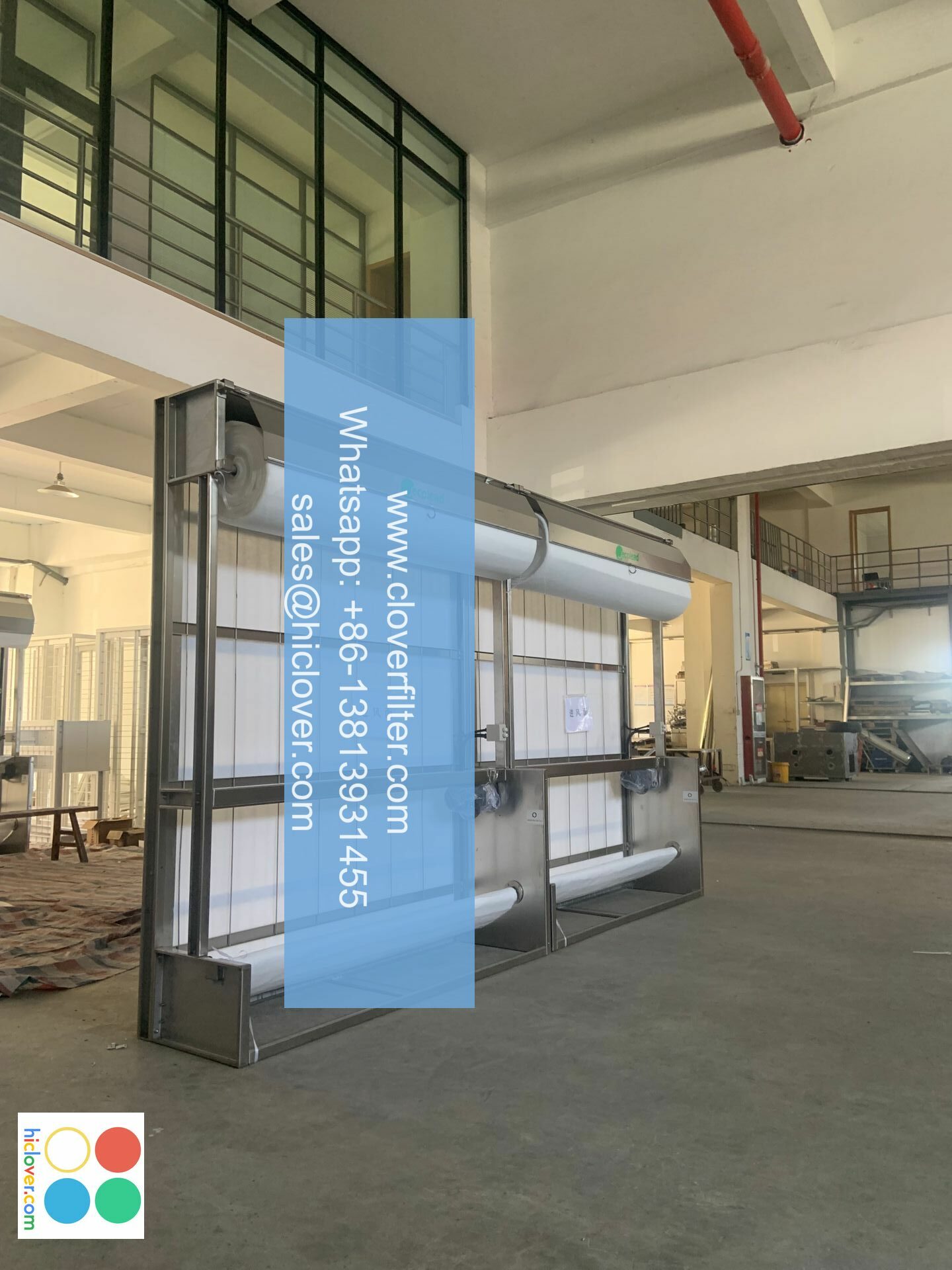
Automatic roll air filters have become an essential component in maintaining indoor air quality, particularly in commercial and industrial settings. These innovative systems have revolutionized the way we approach air filtration, providing a more efficient and cost-effective solution compared to traditional filter systems. In this article, we will delve into the science behind automatic roll air filters and provide an exclusive look at Vancouver’s production plant, highlighting the manufacturing process and the technology that drives these systems.
The science behind automatic roll air filters is rooted in the principles of aerodynamics and filtration. These systems utilize a continuous roll of filter media that is automatically advanced as it becomes dirty, ensuring a consistent flow of clean air. The filter media is designed to capture airborne particles, including dust, pollen, and other contaminants, preventing them from re-circulating into the air. The automatic roll air filter’s design allows for a significant increase in filtration efficiency, with some systems capable of capturing up to 99.97% of particles as small as 0.3 microns.
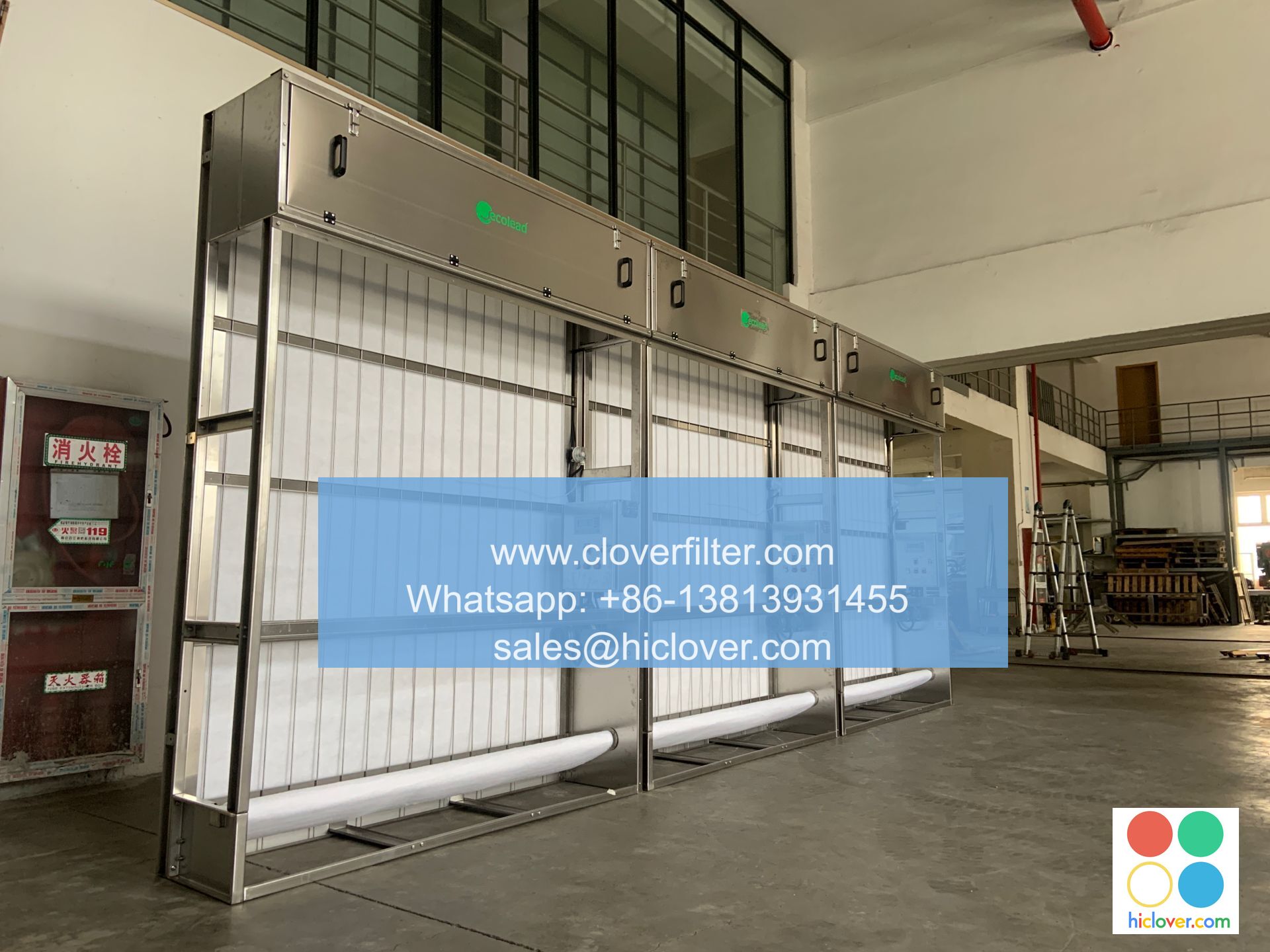
At the heart of the automatic roll air filter is the advanced filtration technology. The filter media is typically made from a synthetic material, such as polyester or polypropylene, which is designed to provide a high level of filtration efficiency while minimizing airflow resistance. The filter media is also treated with a variety of chemicals and coatings to enhance its performance, including anti-microbial agents and electrostatic charges. These treatments help to capture a wider range of particles, including bacteria, viruses, and other microorganisms.
Vancouver’s production plant is a state-of-the-art facility that specializes in the manufacture of automatic roll air filters. The plant is equipped with advanced machinery and technology, allowing for high-volume production while maintaining the highest standards of quality. The manufacturing process begins with the production of the filter media, which is tailored to specific customer requirements. The filter media is then wound onto a core, creating the continuous roll that is at the heart of the automatic roll air filter system.
The assembly of the automatic roll air filter system takes place on a separate production line, where the roll of filter media is integrated with the system’s mechanical components. These components include the motorized roller, gearing, and control system, which work together to advance the filter media as it becomes dirty. The system is then tested and inspected to ensure that it meets the required standards of performance and quality.
One of the key benefits of automatic roll air filters is their ability to provide a significant reduction in maintenance costs. Traditional filter systems require frequent replacement of the filter media, which can be a time-consuming and costly process. In contrast, automatic roll air filters can operate for extended periods without requiring maintenance, making them an attractive option for commercial and industrial users. Additionally, the systems are designed to be highly energy efficient, using advanced motors and control systems to minimize energy consumption.
In conclusion, automatic roll air filters are a game-changer in the field of air filtration. By providing a continuous flow of clean air, these systems are capable of significantly improving indoor air quality, while also reducing maintenance costs and energy consumption. Vancouver’s production plant is at the forefront of this technology, utilizing advanced machinery and techniques to manufacture high-quality automatic roll air filters. As the demand for clean air continues to grow, it is likely that automatic roll air filters will play an increasingly important role in maintaining healthy and productive environments.
FAQs
Q: How often do automatic roll air filters need to be replaced?
A: The frequency of replacement will depend on the specific application and usage of the system. However, automatic roll air filters can operate for extended periods without requiring replacement, typically ranging from 6-24 months.
Q: Are automatic roll air filters more expensive than traditional filter systems?
A: While the initial cost of an automatic roll air filter system may be higher than traditional filter systems, the long-term benefits and cost savings make them a more attractive option. Reduced maintenance costs, energy efficiency, and extended filter life all contribute to a lower total cost of ownership.
Q: Can automatic roll air filters be used in residential applications?
A: Yes, automatic roll air filters can be used in residential applications, particularly in larger homes or those with specific air quality requirements. However, the cost and complexity of these systems may make them less suitable for smaller residential applications.
Q: How do I know which type of automatic roll air filter is right for my application?
A: The selection of an automatic roll air filter will depend on a variety of factors, including the size of the space, airflow requirements, and specific contaminants that need to be removed. It is recommended that you consult with a qualified air filtration expert to determine the best system for your needs.
