Reducing Energy Consumption in Food Labs with Automatic Roll Air Filters
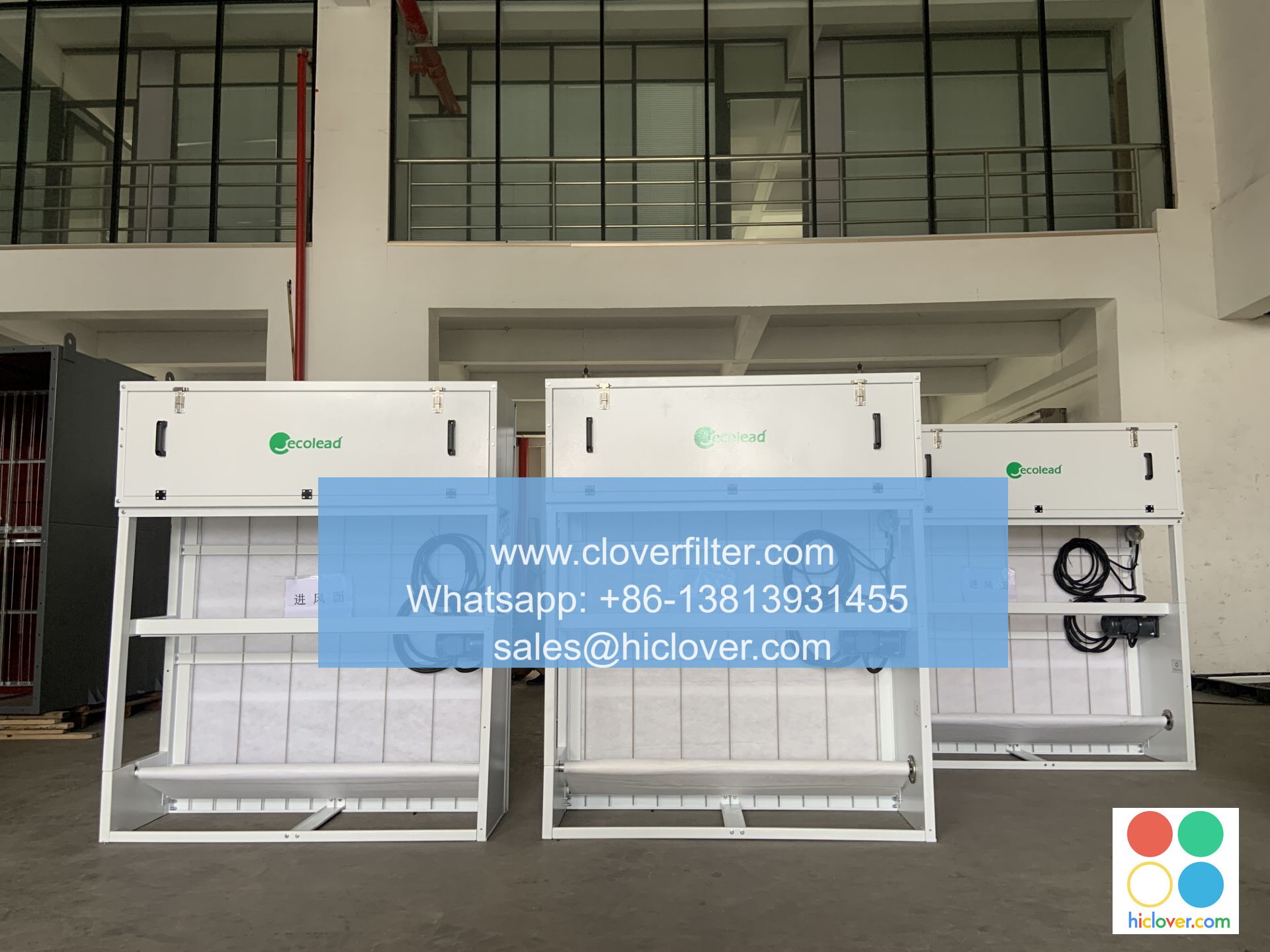
Food laboratories play a critical role in ensuring the quality and safety of the food we eat. However, these labs can be significant energy consumers, with various equipment and systems operating around the clock to maintain optimal conditions for testing and analysis. One often overlooked area where energy consumption can be reduced is in the air filtration systems used in these labs. Traditional air filters can be a major contributor to energy waste, but replacing them with automatic roll air filters can make a substantial difference. In this article, we will explore how automatic roll air filters can help reduce energy consumption in food labs.
Air filtration is crucial in food laboratories to prevent contamination and ensure accurate test results. However, traditional box-style filters can become clogged with particulate matter over time, increasing the energy required to push air through them. This not only wastes energy but also reduces the overall efficiency of the filtration system. Automatic roll air filters, on the other hand, provide a continuous supply of clean filter media, minimizing the pressure drop and the energy needed to operate the system. By maintaining optimal airflow and reducing the energy required to power the filtration system, food labs can significantly lower their energy consumption.

Another advantage of automatic roll air filters is their ability to adapt to changing conditions in the lab. These filters can be programmed to adjust their airflow based on the lab’s occupancy, temperature, and humidity levels, ensuring that the air quality remains optimal while minimizing energy waste. This level of control is particularly useful in food labs, where the type and intensity of testing can vary significantly throughout the day. By matching the filtration system’s output to the lab’s specific needs, automatic roll air filters can help reduce energy consumption without compromising air quality.
In addition to reducing energy consumption, automatic roll air filters can also help food labs lower their maintenance costs. Traditional filters require regular replacement, which can be a time-consuming and labor-intensive process. Automatic roll air filters, by contrast, provide a continuous supply of clean filter media, eliminating the need for frequent replacements. This not only reduces the cost of replacement filters but also minimizes the time spent on maintenance, allowing lab personnel to focus on more critical tasks.
The installation of automatic roll air filters is also relatively straightforward, with many systems designed to be drop-in replacements for traditional filters. This ease of installation, combined with the potential energy savings, makes automatic roll air filters an attractive option for food labs looking to reduce their energy consumption. Furthermore, the long-term cost savings associated with these filters can help offset the initial investment, providing a positive return on investment over time.
In conclusion, automatic roll air filters offer a simple yet effective way for food labs to reduce their energy consumption. By providing a continuous supply of clean filter media and adapting to changing conditions in the lab, these filters can minimize energy waste while maintaining optimal air quality. With their ease of installation, reduced maintenance requirements, and long-term cost savings, automatic roll air filters are an excellent choice for food labs seeking to lower their energy consumption and improve their overall efficiency.

FAQs
Q: How do automatic roll air filters reduce energy consumption in food labs?
A: Automatic roll air filters reduce energy consumption by providing a continuous supply of clean filter media, minimizing the pressure drop and the energy needed to operate the system.
Q: Are automatic roll air filters easy to install?
A: Yes, many automatic roll air filter systems are designed to be drop-in replacements for traditional filters, making installation relatively straightforward.
Q: Can automatic roll air filters help reduce maintenance costs in food labs?
A: Yes, automatic roll air filters can help reduce maintenance costs by eliminating the need for frequent filter replacements and minimizing the time spent on maintenance.
Q: How long does it take to see a return on investment from installing automatic roll air filters?
A: The time it takes to see a return on investment from installing automatic roll air filters will vary depending on the specific lab and its energy usage patterns. However, the long-term cost savings associated with these filters can help offset the initial investment, providing a positive return on investment over time.
