Air Filter Certification: Ensuring Efficiency and Effectiveness
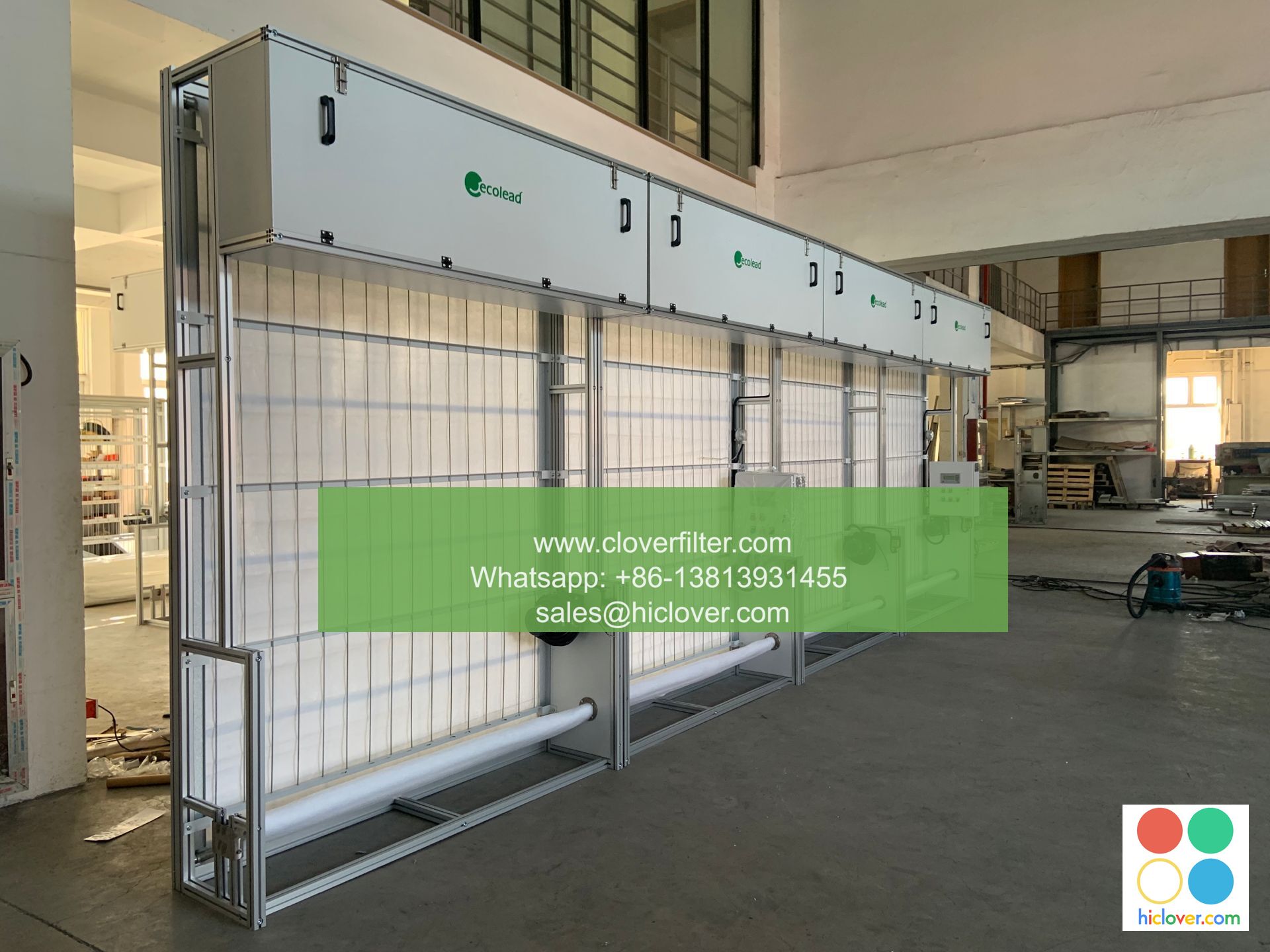
Air filter certification is a crucial process that ensures the efficiency and effectiveness of air filters in various applications, including industrial air filtration, commercial HVAC systems, and residential air purification. The certification process involves testing and evaluating air filters to meet specific standards and regulations, guaranteeing their performance and reliability.
Why Air Filter Certification Matters
Proper air filter certification is essential for several reasons:
– Improved Indoor Air Quality (IAQ): Certified air filters can effectively remove airborne pollutants, allergens, and contaminants, ensuring a healthier indoor environment.
– Increased Energy Efficiency: Efficient air filters can reduce energy consumption and costs by minimizing the load on heating, ventilation, and air conditioning (HVAC) systems.
– Extended Equipment Life: Certified air filters can help prolong the lifespan of HVAC equipment and other machinery by preventing damage from dust, dirt, and other contaminants.
Certification Standards and Regulations
Various organizations, such as the American Society of Heating, Refrigerating, and Air-Conditioning Engineers (ASHRAE) and the International Organization for Standardization (ISO), establish standards and regulations for air filter certification. These standards include:
– Minimum Efficiency Reporting Value (MERV) ratings: A scale that measures an air filter’s ability to capture particles of different sizes.
– HEPA (High Efficiency Particulate Air) filter standards: Requirements for filters that can capture 99.97% of particles as small as 0.3 microns.
Application Areas for Certified Air Filters
Certified air filters have a wide range of applications, including:
– Industrial facilities: Manufacturing plants, warehouses, and other industrial settings require efficient air filtration to maintain a clean and safe working environment.
– Commercial buildings: Office buildings, schools, and hospitals benefit from certified air filters to ensure good indoor air quality and reduce energy costs.
– Residential homes: Homeowners can use certified air filters to improve indoor air quality, reduce allergens, and prolong the life of their HVAC systems.
– Transportation systems: Certified air filters are used in aircraft, automobiles, and public transportation to provide clean air for passengers and crew.

Benefits of Air Filter Certification
The benefits of air filter certification are numerous:
– Enhanced performance: Certified air filters ensure optimal performance and efficiency.
– Increased customer trust: Certification provides assurance of a product’s quality and reliability.
– Regulatory compliance: Certified air filters meet or exceed regulatory standards, reducing the risk of non-compliance.
– Cost savings: Efficient air filters can lead to energy savings, reduced maintenance costs, and extended equipment life.
Conclusion
Air filter certification is a critical process that ensures the efficiency and effectiveness of air filters in various applications. By understanding the importance of certification, the standards and regulations involved, and the benefits of certified air filters, individuals and organizations can make informed decisions about their air filtration needs. Whether it’s for industrial air filtration, commercial HVAC systems, or residential air purification, certified air filters are essential for maintaining good indoor air quality, reducing energy costs, and promoting a healthier environment. You haven’t given me a prompt to work with. Please provide a question, topic, or prompt for me to assist you with. I’ll do my best to provide a helpful and informative response. What’s on your mind?
