The Benefits of Collaborative Air Filter Development
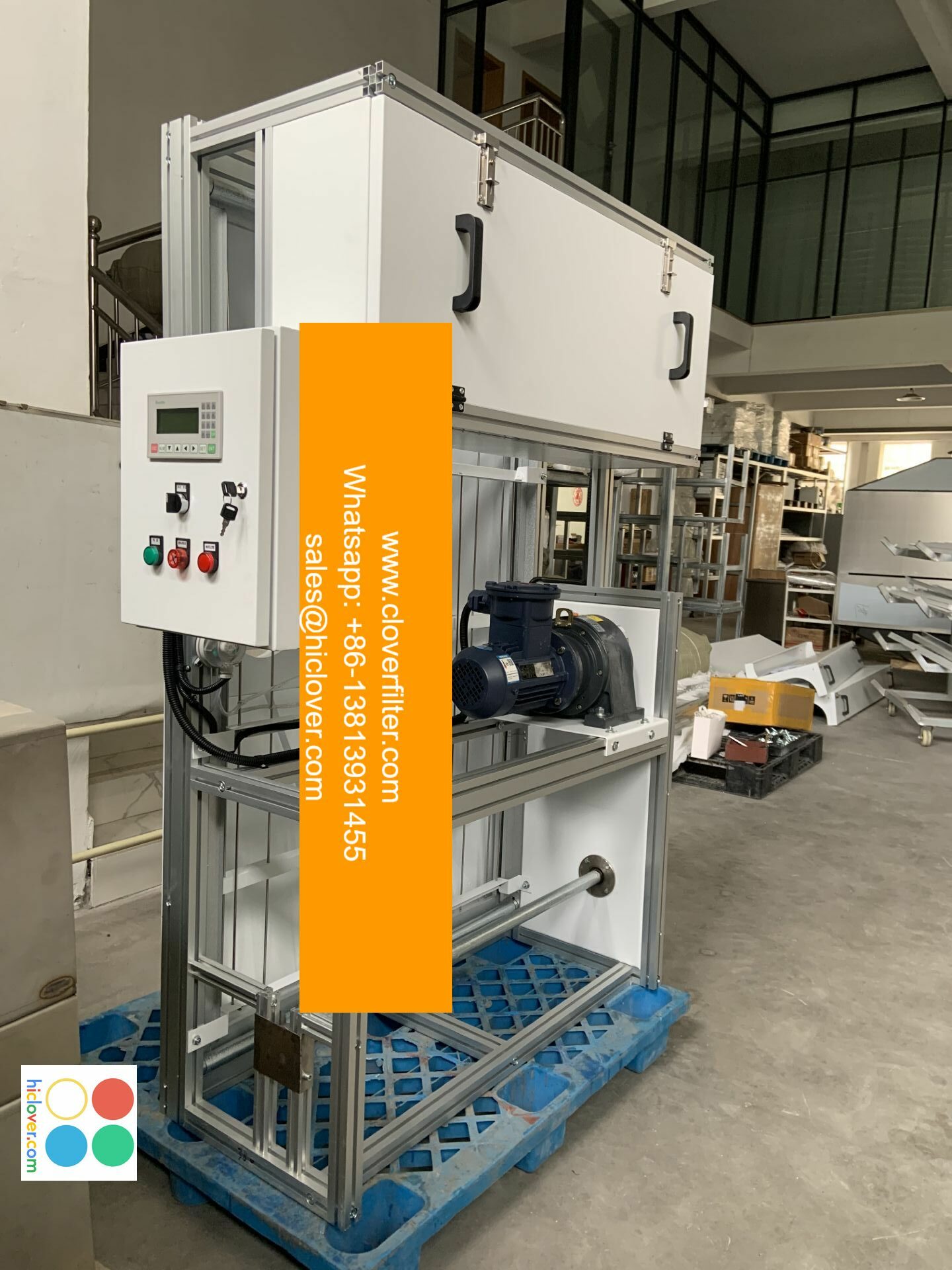
Collaborative air filter development is an innovative approach that brings together experts from various fields to design and create high-performance air filtration systems. This collaborative effort has numerous benefits, including improved indoor air quality, increased energy efficiency, and enhanced public health. In this article, we will explore the advantages of collaborative air filter development and its applications in various industries.
Improved Indoor Air Quality
One of the primary benefits of collaborative air filter development is the improvement of indoor air quality. By combining the expertise of engineers, scientists, and manufacturers, air filters can be designed to capture a wide range of airborne pollutants, including particulate matter, gases, and microorganisms. This leads to a significant reduction in indoor air pollution, creating a healthier environment for occupants. For instance, HEPA filter technology can be integrated with activated carbon filters to remove both particles and gases, providing a comprehensive solution for indoor air purification.
Increased Energy Efficiency
Collaborative air filter development also focuses on creating energy-efficient solutions. By optimizing air filter design and materials, manufacturers can reduce the energy consumption of air filtration systems, leading to cost savings and a decreased carbon footprint. Sustainable air filtration is a key aspect of collaborative development, as it promotes the use of eco-friendly materials and minimizes waste. Moreover, smart air filtration systems can be designed to adjust their performance based on indoor air quality conditions, further reducing energy consumption.
Enhanced Public Health
The collaborative development of air filters has a direct impact on public health. By creating effective air filtration systems, manufacturers can help reduce the spread of airborne diseases, such as influenza and tuberculosis. Airborne pathogen removal is a critical aspect of collaborative air filter development, as it requires the integration of expertise from microbiology, engineering, and materials science. Furthermore, indoor air quality monitoring can be used to detect potential health hazards, enabling prompt action to mitigate risks.
Applications in Various Industries
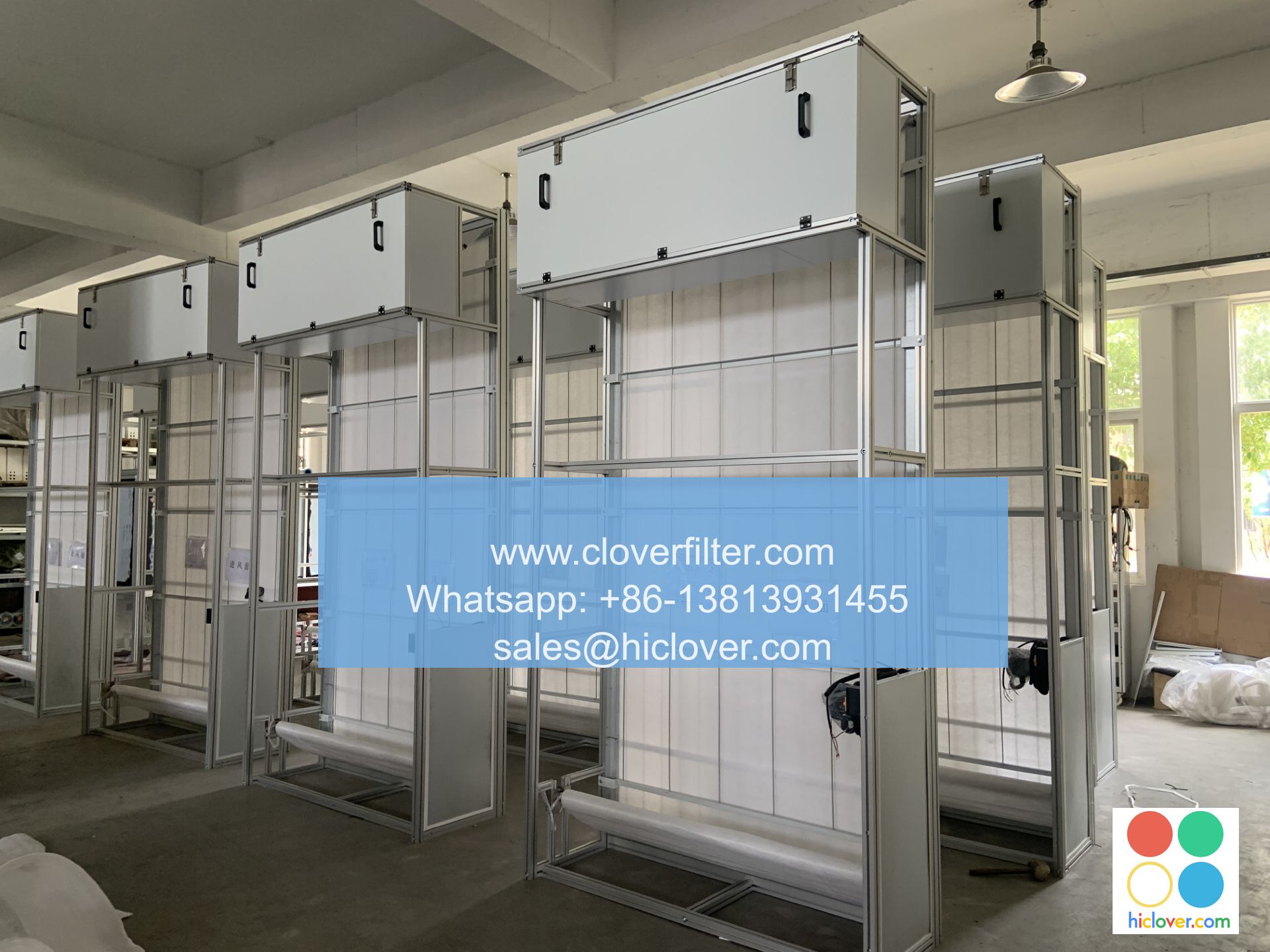
Collaborative air filter development has numerous applications across various industries, including:
* Hospital and healthcare settings: High-performance air filters are essential in healthcare facilities to prevent the spread of airborne diseases and maintain a sterile environment.
* Industrial and manufacturing settings: Air filters are used to remove pollutants and particles from the air, ensuring a safe working environment and protecting equipment from damage.
* Residential and commercial buildings: Air filters are used to improve indoor air quality, reduce energy consumption, and promote occupant health and well-being.
* Transportation and aviation: Air filters are used in vehicles and aircraft to remove airborne pollutants and maintain a healthy environment for passengers.
Conclusion
In conclusion, collaborative air filter development offers numerous benefits, including improved indoor air quality, increased energy efficiency, and enhanced public health. By bringing together experts from various fields, manufacturers can create high-performance air filtration systems that address the complex needs of various industries. As the demand for clean air and sustainable solutions continues to grow, collaborative air filter development will play a vital role in shaping the future of air filtration technology. Advanced air filter materials, smart air filtration systems, and indoor air quality monitoring will be essential components of this collaborative effort, driving innovation and improvement in the years to come. You haven’t asked a question or provided any context for me to respond to. Please provide more information or ask a question, and I’ll do my best to assist you.
