Air Filter Report: Reducing Allergens and Asthma Triggers
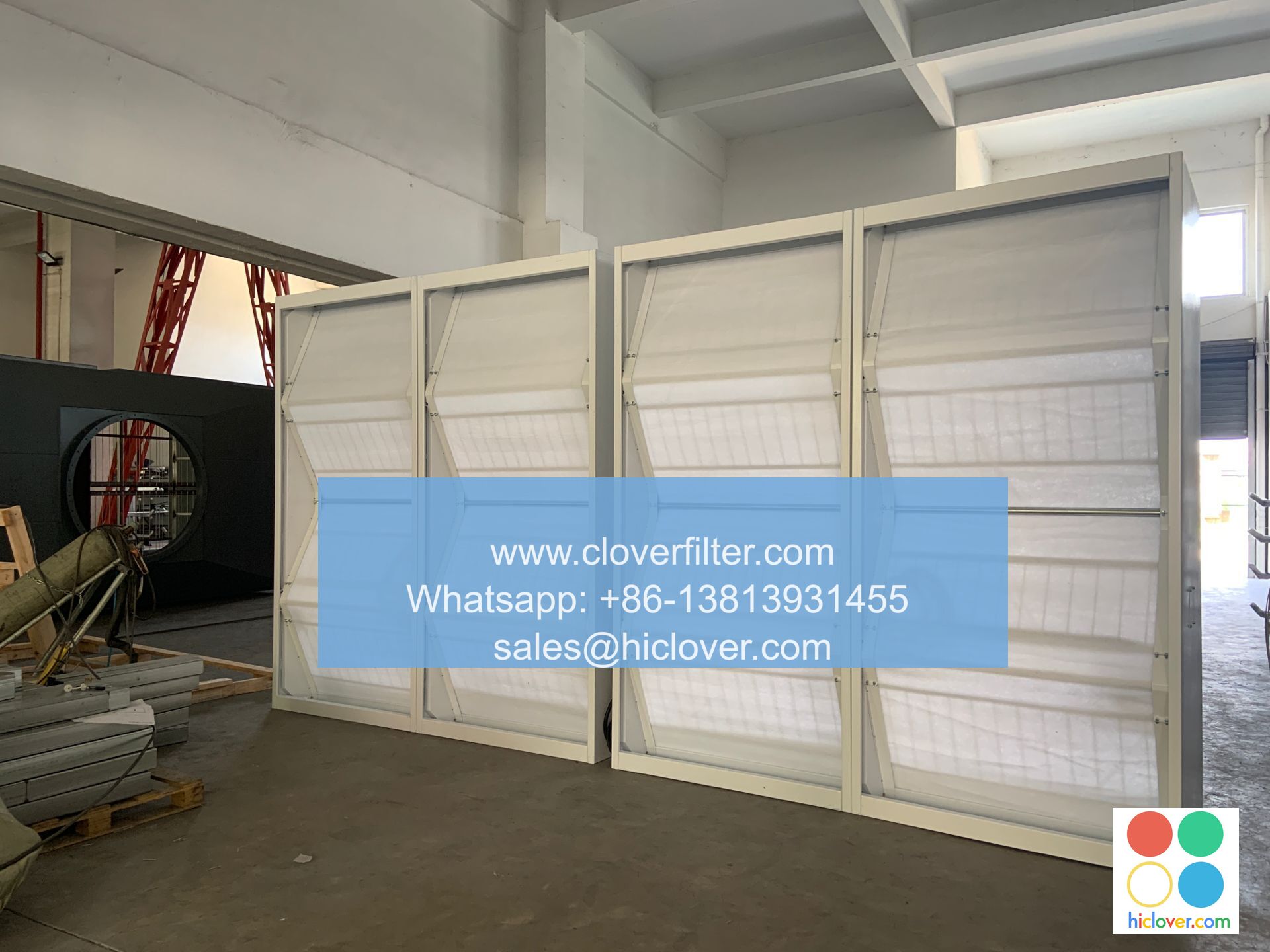
The air we breathe has a significant impact on our health, and indoor air quality is a crucial aspect of maintaining a healthy living space. One of the most effective ways to improve indoor air quality is by using air filters that can reduce allergens and asthma triggers. In this article, we will delve into the world of air filters, exploring their importance, types, and application areas in reducing allergens and asthma triggers.
Importance of Air Filters in Reducing Allergens and Asthma Triggers
Air pollution is a significant concern worldwide, and indoor air pollution can be up to five times worse than outdoor pollution. Allergens like dust mites, pet dander, mold, and pollen can exacerbate respiratory issues like asthma and allergic rhinitis. Air filters can help remove these allergens from the air, creating a healthier indoor environment. By using high-efficiency air filters, individuals can reduce their exposure to airborne pollutants and alleviate respiratory symptoms.
Types of Air Filters and Their Applications
There are several types of air filters available, each with its unique characteristics and application areas. Some of the most common types of air filters include:
* HEPA (High Efficiency Particulate Air) filters: These filters are designed to capture 99.97% of particles as small as 0.3 microns, making them ideal for residential and commercial applications.
* Activated Carbon filters: These filters are effective in removing gas-phase pollutants like odor and chemicals, making them suitable for industrial and commercial applications.
* UV (Ultraviolet) filters: These filters use ultraviolet light to kill bacteria and viruses, making them ideal for healthcare and food processing applications.
Application Areas of Air Filters
Air filters have a wide range of application areas, including:
* Residential applications: Air filters can be used in home air purification systems to improve indoor air quality and reduce allergens and asthma triggers.
* Commercial applications: Air filters can be used in office buildings, schools, and hospitals to improve indoor air quality and reduce airborne pollutants.
* Industrial applications: Air filters can be used in manufacturing facilities and warehouses to remove hazardous particles and gas-phase pollutants.
* Transportation applications: Air filters can be used in vehicles to improve in-cabin air quality and reduce allergens and asthma triggers.

Conclusion
In conclusion, air filters play a vital role in reducing allergens and asthma triggers in various application areas. By using high-efficiency air filters, individuals can improve indoor air quality, alleviate respiratory symptoms, and create a healthier living space. Whether it’s for residential, commercial, industrial, or transportation applications, air filters are an essential tool in maintaining a healthy environment. It seems like you forgot to include the prompt. Could you please provide more details about what you would like to talk about or ask? I’m here to help with any questions or topics you have in mind.
