Air Filter Systems for Stadiums and Arenas
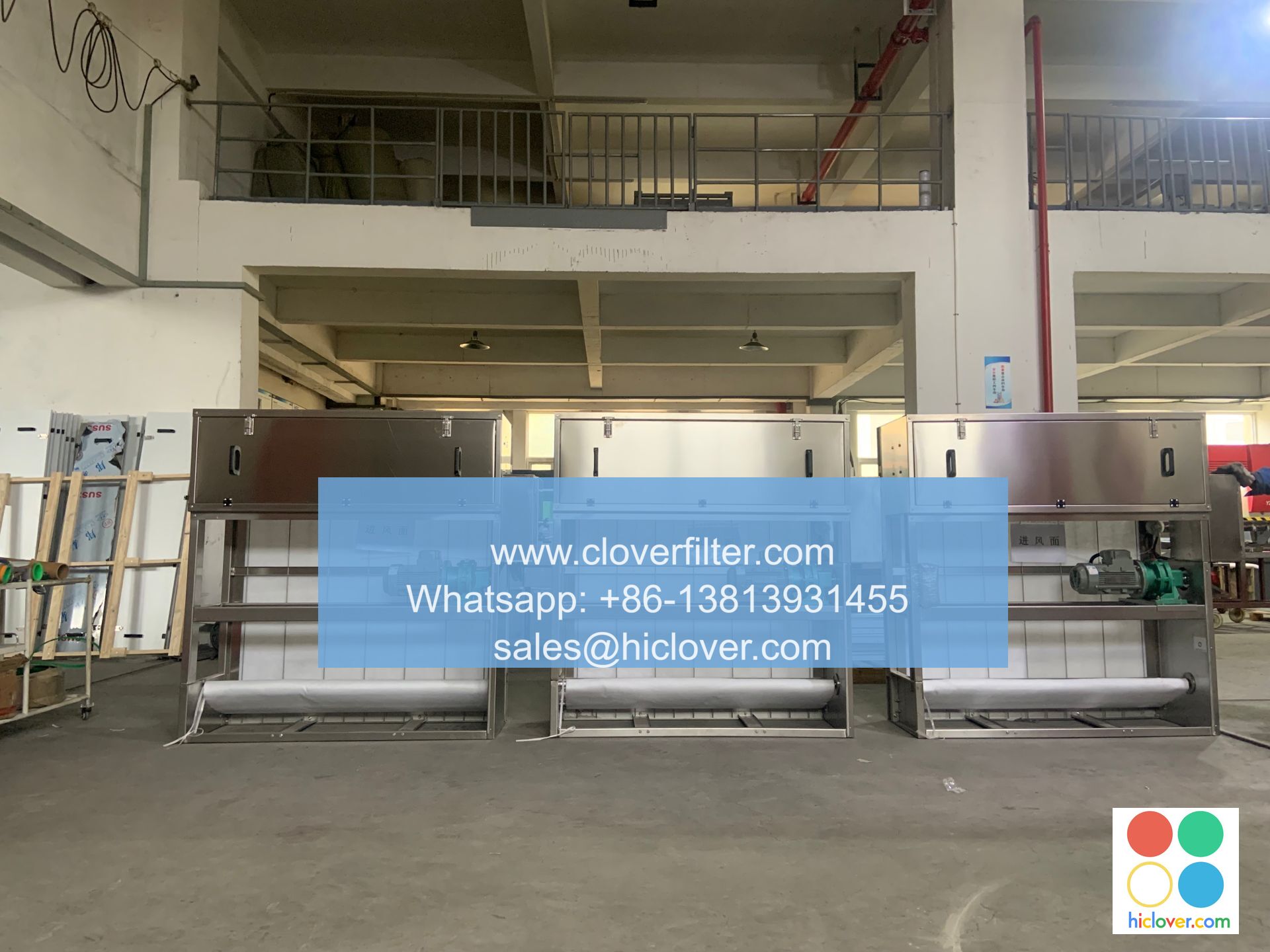
Stadiums and arenas are large, enclosed spaces that host various events, including sports, concerts, and conferences. These venues can accommodate thousands of people, making them prone to poor indoor air quality due to the high occupancy rates, food and beverage services, and other factors. To combat this issue, air filtration systems play a crucial role in maintaining a healthy and comfortable environment for spectators, athletes, and staff. In this article, we will explore the importance of air filter systems for stadiums and arenas, highlighting various application areas and key features of these systems.
Importance of Air Filter Systems in Stadiums and Arenas
Air filter systems are designed to remove airborne contaminants, such as dust, pollen, and bacteria, from the air. In stadiums and arenas, these systems are essential for maintaining optimal indoor air quality (IAQ). Poor IAQ can lead to a range of issues, including:
* Reduced spectator comfort and satisfaction
* Increased risk of respiratory problems and other health issues
* Decreased athlete performance and endurance
* Higher maintenance costs due to equipment damage and corrosion
To mitigate these risks, stadium and arena managers can invest in high-efficiency air filter systems that can capture up to 99.97% of particles as small as 0.3 microns. These systems can be integrated into the venue’s heating, ventilation, and air conditioning (HVAC) system, ensuring a consistent flow of clean air throughout the facility.
Application Areas for Air Filter Systems
Air filter systems can be applied in various areas of stadiums and arenas, including:
* Seating areas: High-efficiency air filters can be installed in the seating areas to remove airborne contaminants and improve spectator comfort.
* Concourses and concourse level seating: Air filter systems can be used to maintain good IAQ in concourses and concourse level seating areas, where food and beverage services are often located.
* Athlete facilities: Air filter systems can be installed in athlete facilities, such as locker rooms and training areas, to provide a healthy and comfortable environment for athletes.
* Food and beverage services: Air filter systems can be used to remove grease and food particles from the air in food and beverage service areas, reducing the risk of respiratory problems and other health issues.
Key Features of Air Filter Systems for Stadiums and Arenas
When selecting an air filter system for a stadium or arena, there are several key features to consider, including:
* Filter efficiency: Look for systems with high-efficiency filters that can capture up to 99.97% of particles as small as 0.3 microns.
* Filter maintenance: Consider systems with easy-to-replace filters and minimal maintenance requirements.
* System integration: Choose systems that can be integrated into the venue’s HVAC system, ensuring a consistent flow of clean air throughout the facility.
* Energy efficiency: Select systems that are energy-efficient and can help reduce energy costs.
In conclusion, air filter systems are a crucial component of maintaining optimal indoor air quality in stadiums and arenas. By highlighting various application areas and key features of these systems, venue managers can make informed decisions when selecting an air filter system that meets their specific needs. Whether it’s a high-efficiency air filter system or a customized air filtration solution, the right system can help ensure a healthy and comfortable environment for spectators, athletes, and staff. It seems like you’re ready to start a conversation or ask a question, but you haven’t provided a specific prompt yet. What would you like to talk about or ask? I’m here to help with information, answer questions, or just chat.

