Air Purifiers for Industrial Plasma Cutting: What You Need to Know
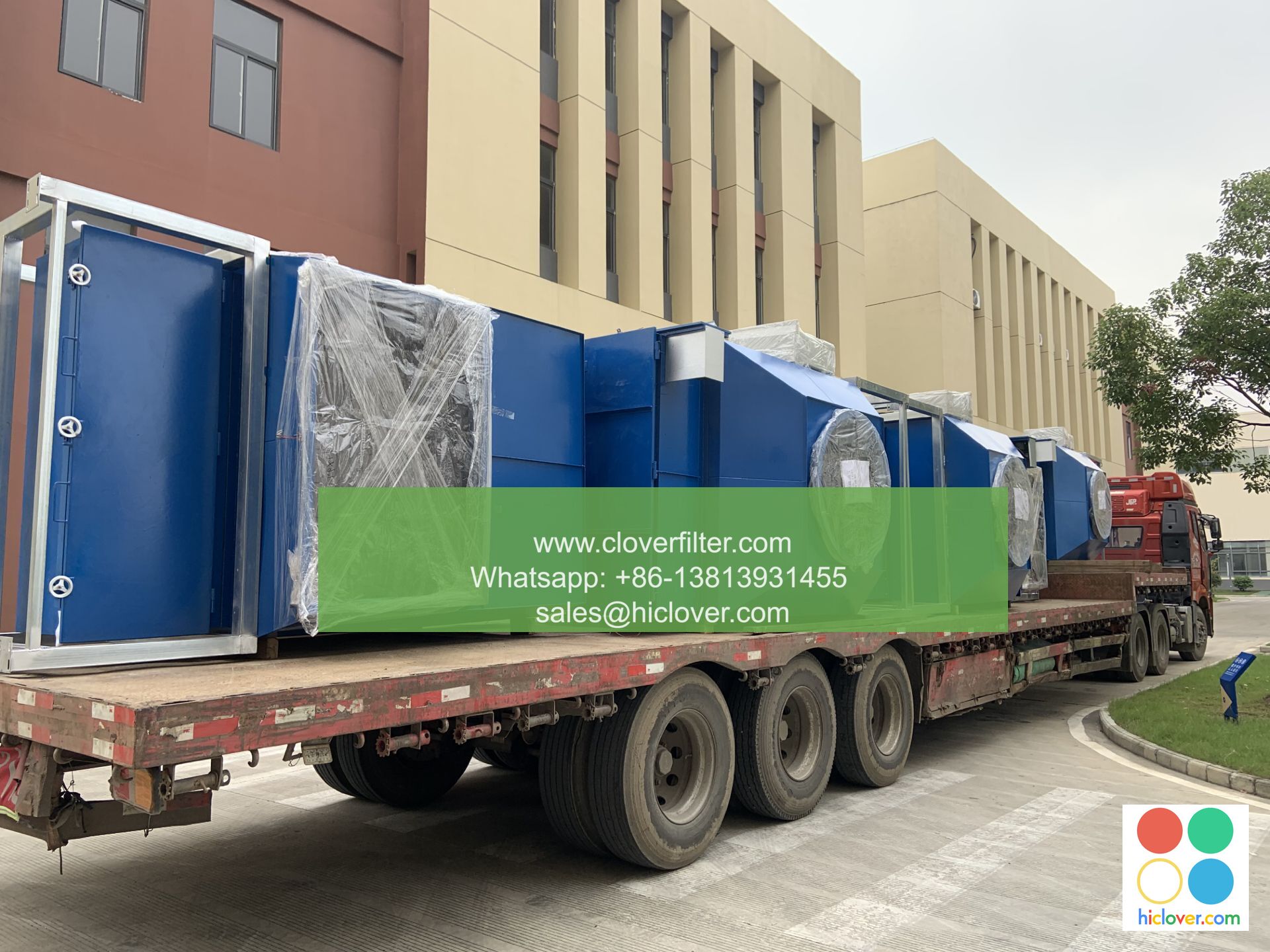
Industrial plasma cutting is a widely used process in various manufacturing and fabrication industries, including metal fabrication, aerospace engineering, and automotive manufacturing. However, this process generates hazardous fumes and particles that can pose serious health risks to workers and contaminate the environment. To mitigate these risks, air purifiers specifically designed for industrial plasma cutting are essential. In this article, we will delve into the world of air purifiers for industrial plasma cutting, highlighting their importance, key features, and various application areas.
Importance of Air Purifiers in Industrial Plasma Cutting
Plasma cutting involves the use of high-velocity plasma arcs to cut through metal, releasing a mixture of gases, particulate matter, and vapors into the air. These airborne contaminants can cause respiratory problems, cancer, and other health issues if inhaled. Moreover, they can also damage equipment and compromise the quality of the cutting process. Air purifiers designed for industrial plasma cutting can effectively remove these contaminants, ensuring a cleaner, healthier, and more productive work environment.
Key Features of Air Purifiers for Industrial Plasma Cutting
When selecting an air purifier for industrial plasma cutting, there are several key features to consider:
- Filtration system: A robust filtration system capable of capturing 99.97% of particles as small as 0.3 microns is essential.
- Airflow rate: The air purifier should be able to handle high airflow rates to accommodate the large volumes of air generated during the plasma cutting process.
- Noise level: A low noise level is crucial to minimize distractions and ensure a comfortable working environment.
- Durability: The air purifier should be built with durable materials and designed to withstand the harsh conditions of an industrial environment.
- Metal fabrication: Air purifiers are used to remove fumes and particles generated during the cutting of metals such as steel, aluminum, and copper.
- Aerospace engineering: Air purifiers are used to maintain a clean and contamination-free environment during the fabrication of aircraft and spacecraft components.
- Automotive manufacturing: Air purifiers are used to remove welding fumes and particles generated during the production of vehicle parts and components.
- Shipbuilding: Air purifiers are used to maintain a safe and healthy work environment during the construction and repair of ships.
- Improved indoor air quality: Air purifiers can remove up to 99.99% of airborne contaminants, ensuring a cleaner and healthier work environment.
- Increased productivity: By reducing the risks associated with airborne contaminants, air purifiers can help increase worker productivity and efficiency.
- Reduced equipment damage: Air purifiers can help prevent equipment damage caused by airborne contaminants, reducing maintenance costs and downtime.
- Compliance with regulations: The use of air purifiers can help industries comply with OSHA regulations and other standards related to indoor air quality.

Application Areas of Air Purifiers in Industrial Plasma Cutting
Air purifiers for industrial plasma cutting have a wide range of applications across various industries, including:

Benefits of Using Air Purifiers in Industrial Plasma Cutting
The use of air purifiers in industrial plasma cutting offers numerous benefits, including:
Conclusion
In conclusion, air purifiers specifically designed for industrial plasma cutting are a crucial component of a safe, healthy, and productive work environment. By understanding the importance, key features, and application areas of these air purifiers, industries can make informed decisions when selecting the right air purification system for their plasma cutting operations. Remember, a clean and contamination-free work environment is essential for the well-being of workers, the quality of products, and the success of industries. You haven’t asked a question or provided any context. What would you like to talk about or ask? I’ll do my best to provide a helpful and direct response.
