How Air Filter Groups Can Help Reduce Allergies
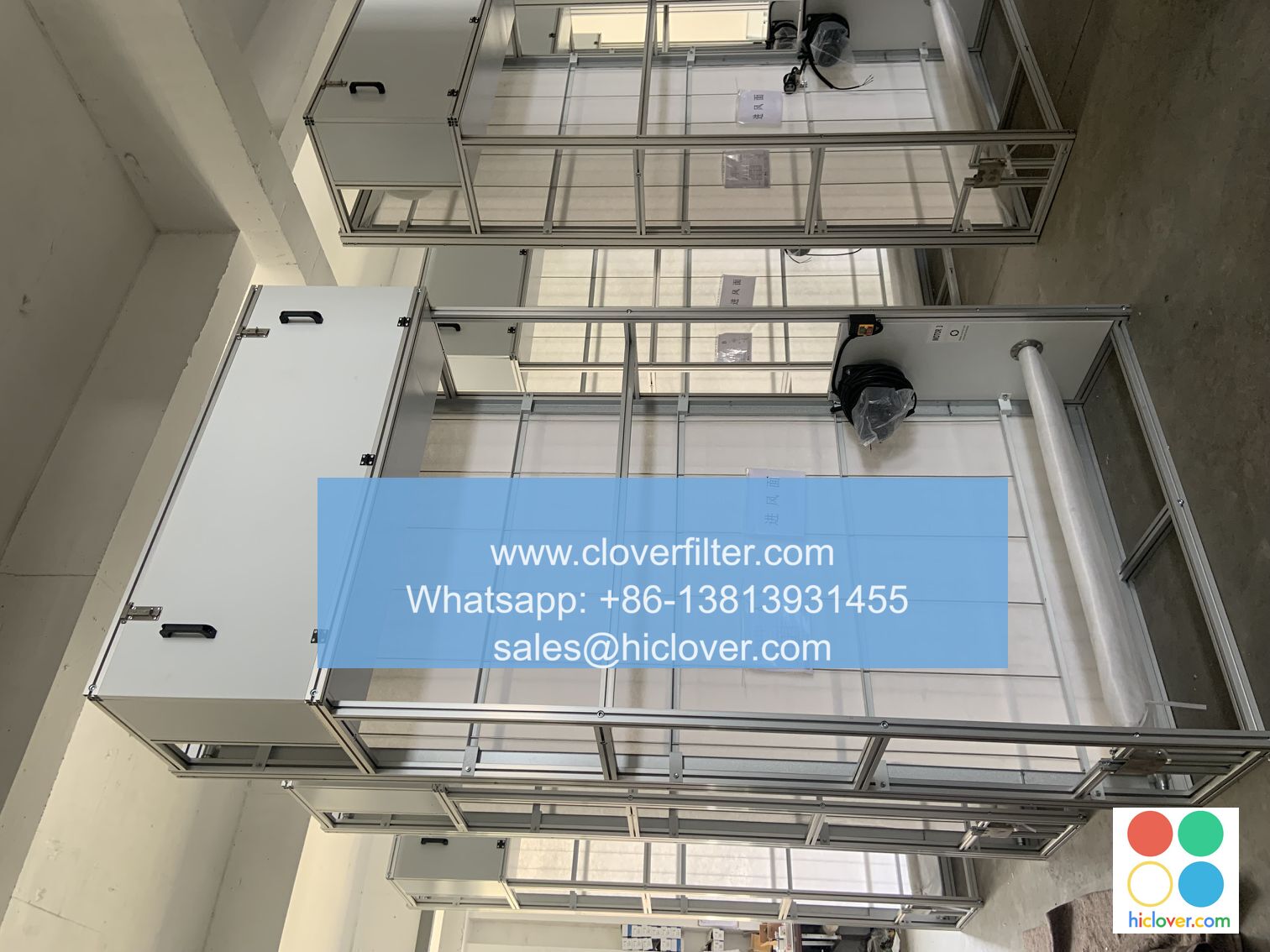
Air filter groups have become an essential component in maintaining good indoor air quality, and their role in reducing allergies cannot be overstated. Allergies are a common problem that affects millions of people worldwide, and they can be triggered by a variety of factors, including dust, pollen, pet dander, and mold. In this article, we will explore the ways in which air filter groups can help alleviate allergy symptoms and improve overall health.
Understanding Allergies and Air Quality
Allergies occur when the body’s immune system overreacts to a harmless substance, such as pollen or dust. This can lead to a range of symptoms, including sneezing, congestion, itching, and difficulty breathing. Indoor air quality plays a significant role in triggering allergies, as it can harbor a multitude of allergens, including dust mites, mold, and pet dander. By using air filter groups, individuals can significantly reduce their exposure to these allergens and minimize their symptoms.
Key Benefits of Air Filter Groups
Air filter groups offer several benefits when it comes to reducing allergies. Some of the key advantages include:
– Improved Air Quality: Air filter groups can capture up to 99.97% of particles as small as 0.3 microns, including dust, pollen, and other allergens.
– Reduced Allergy Symptoms: By removing allergens from the air, air filter groups can help alleviate symptoms such as sneezing, congestion, and itching.
– Increased Energy Efficiency: Air filter groups can also help improve the energy efficiency of heating and cooling systems, which can lead to cost savings and a reduced carbon footprint.
– Long-Term Cost Savings: While air filter groups may require an initial investment, they can provide long-term cost savings by reducing the need for frequent filter replacements and minimizing the impact of allergy-related illnesses.
Application Areas for Air Filter Groups
Air filter groups have a wide range of applications, including:
– Residential Homes: Air filter groups can be used in residential homes to improve indoor air quality and reduce allergy symptoms.
– Commercial Buildings: Air filter groups can also be used in commercial buildings, such as offices, restaurants, and shopping centers, to improve indoor air quality and minimize the impact of allergies on employees and customers.
– Industrial Settings: In industrial settings, air filter groups can be used to remove allergens and other particles from the air, improving worker health and safety.
– Healthcare Facilities: Air filter groups are especially important in healthcare facilities, where patients may have compromised immune systems and be more susceptible to allergies and other illnesses.

Types of Air Filter Groups
There are several types of air filter groups available, including:
– HEPA (High Efficiency Particulate Air) Filters: HEPA filters are capable of capturing up to 99.97% of particles as small as 0.3 microns and are often used in residential and commercial settings.
– Activated Carbon Filters: Activated carbon filters are designed to capture gases and odors, and can be used in combination with HEPA filters to provide comprehensive air filtration.
– UV (Ultraviolet) Filters: UV filters use ultraviolet light to kill bacteria, viruses, and other microorganisms, and can be used in combination with other types of air filter groups to provide comprehensive air filtration.
Conclusion
In conclusion, air filter groups play a critical role in reducing allergies and improving indoor air quality. By removing allergens and other particles from the air, air filter groups can help alleviate symptoms such as sneezing, congestion, and itching. With their wide range of applications and variety of types, air filter groups are an essential component in maintaining good indoor air quality and promoting overall health. Whether used in residential, commercial, or industrial settings, air filter groups are a simple and effective way to reduce allergies and improve quality of life. You haven’t provided a prompt or question for me to respond to. Please provide more context or information so I can assist you. What would you like to talk about or ask?
