Air Filter Production: Design Considerations for Efficiency
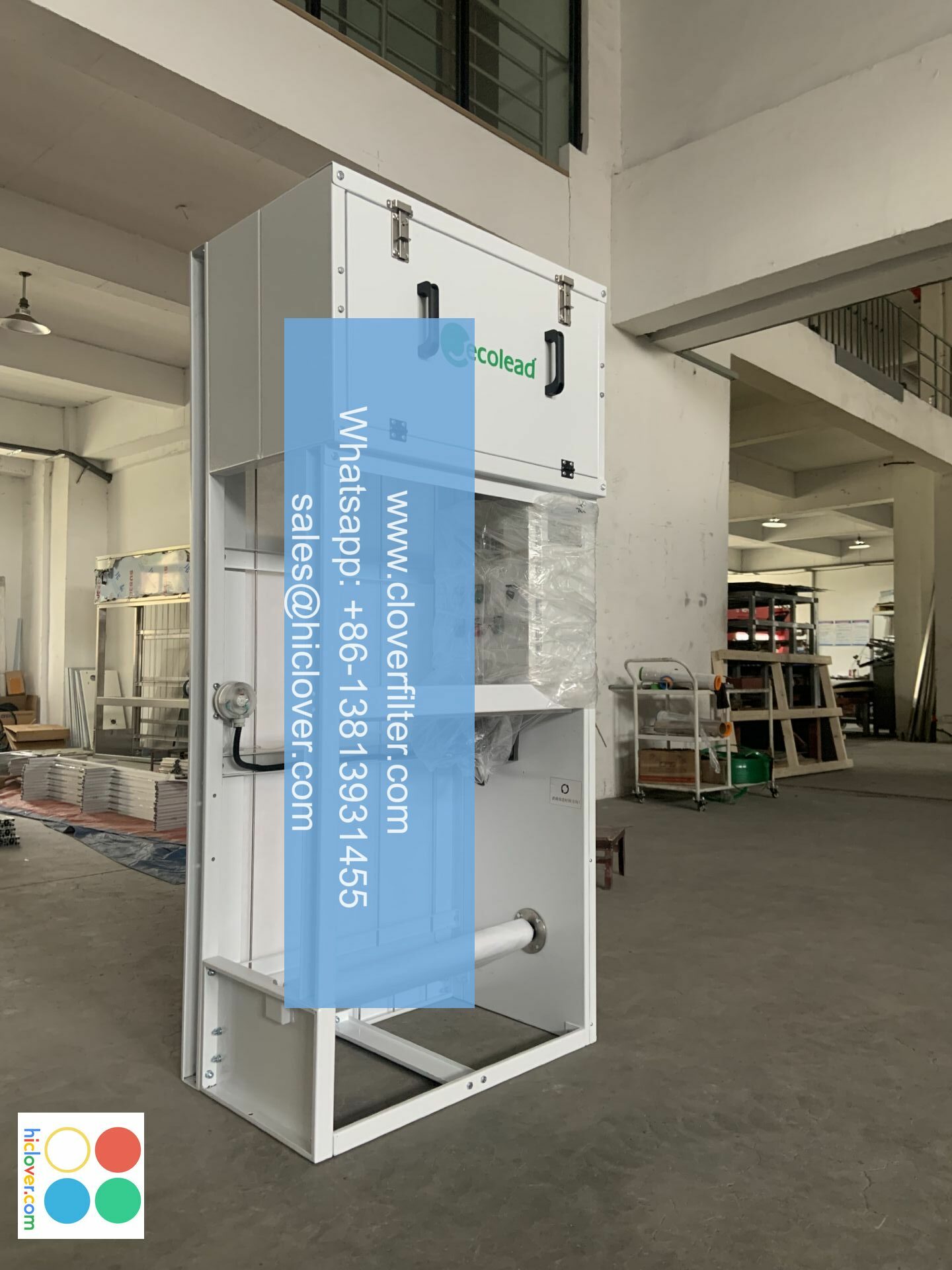
Air filter production is a critical process that involves designing and manufacturing filters that can efficiently remove pollutants and contaminants from the air. The design considerations for air filter production are crucial in determining the efficiency and effectiveness of the filters. In this article, we will discuss the key design considerations for air filter production, highlighting various application areas such as industrial air filtration, heating, ventilation, and air conditioning (HVAC) systems, and air pollution control.
Filter Media Selection
The selection of filter media is a critical design consideration in air filter production. The filter media should be chosen based on the type of application, the level of pollution, and the required efficiency. Common filter media used in air filter production include activated carbon, fiberglass, polyester, and nanofibers. Each of these media has its own unique characteristics and advantages, and the selection of the right media can significantly impact the efficiency of the filter.
Filter Design and Configuration
The design and configuration of the filter are also critical design considerations in air filter production. The filter should be designed to maximize the surface area of the filter media, while minimizing the pressure drop across the filter. This can be achieved through the use of pleated filters, panel filters, or bag filters. The configuration of the filter can also impact its efficiency, with upflow and downflow configurations being commonly used in various applications.
Air Flow and Pressure Drop
Air flow and pressure drop are important design considerations in air filter production. The filter should be designed to handle the required air flow rate, while minimizing the pressure drop across the filter. This can be achieved through the use of high-efficiency filters, low-resistance filters, or self-cleaning filters. The pressure drop across the filter can also impact the energy efficiency of the system, making it an important consideration in energy-efficient HVAC systems.

Application Areas
Air filters are used in a wide range of applications, including industrial air filtration, commercial HVAC systems, and residential air purification. In industrial air filtration, air filters are used to remove pollutants and contaminants from the air in manufacturing facilities, power plants, and chemical processing plants. In commercial HVAC systems, air filters are used to improve indoor air quality and reduce the risk of airborne diseases. In residential air purification, air filters are used to remove allergens, pollutants, and odors from the air.
Conclusion
In conclusion, air filter production is a critical process that involves designing and manufacturing filters that can efficiently remove pollutants and contaminants from the air. The design considerations for air filter production are crucial in determining the efficiency and effectiveness of the filters. By considering factors such as filter media selection, filter design and configuration, air flow and pressure drop, and application areas, manufacturers can produce high-quality air filters that meet the needs of various industries and applications. Whether it’s industrial air filtration, commercial HVAC systems, or residential air purification, air filters play a critical role in improving indoor air quality and reducing the risk of airborne diseases. It seems like you haven’t provided a prompt or question for me to respond to. Please go ahead and ask your question, and I’ll do my best to provide a helpful and direct answer.
